Looking for Thyroid Treatment? What an Endocrinologist Can Help With
-

- Published Updated
- 4,223 views
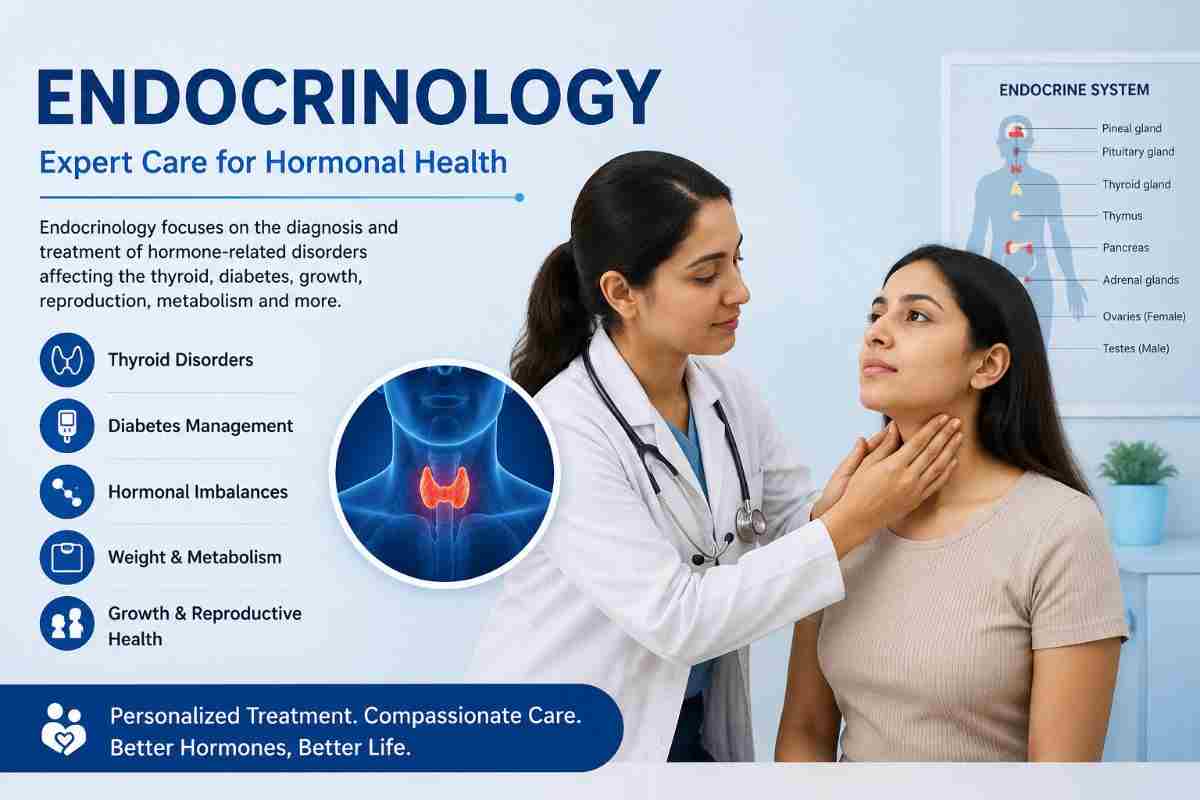
Thyroid problems can affect many aspects of health, from energy and body temperature to heart rate, weight, digestion, and mood. Because these symptoms can have several possible causes, proper evaluation is important before starting treatment. An endocrinologist specializes in hormone-related conditions and can help identify and manage many thyroid disorders. For people researching the top super specialty hospital in srinagar kashmir, understanding what an endocrinologist does can help them prepare for appropriate thyroid care.
What Does an Endocrinologist Do?
An endocrinologist is a specialist who diagnoses and manages conditions involving hormones and endocrine glands. The thyroid is one of these glands and produces hormones that influence several body functions.
An endocrinologist may evaluate an underactive thyroid, overactive thyroid, thyroid inflammation, thyroid nodules, and other thyroid-related conditions. Treatment is based on the specific diagnosis rather than symptoms alone.
Evaluating Thyroid Symptoms
Thyroid disorders can cause different symptoms. An underactive thyroid may be associated with tiredness, feeling unusually cold, constipation, dry skin, or changes in weight. An overactive thyroid may cause symptoms such as heat intolerance, tremors, increased sweating, anxiety, sleep difficulties, or a rapid heartbeat.
These symptoms are not specific to thyroid disease. An endocrinologist considers the complete clinical picture before determining whether thyroid testing or another evaluation is appropriate.
When comparing the top super specialty hospital in srinagar kashmir, patients can check whether endocrinology consultations and relevant thyroid investigations are available.
Thyroid Blood Tests
Blood testing is an important part of thyroid evaluation. Thyroid-stimulating hormone, commonly called TSH, is often used to assess thyroid function. Depending on symptoms and initial results, doctors may request free thyroid hormone tests or thyroid antibody testing.
Laboratory results need to be interpreted alongside symptoms, medical history, medications, and other relevant factors. A single abnormal result does not always establish the cause of a thyroid problem or determine whether treatment is immediately necessary.
Managing Hypothyroidism
Hypothyroidism occurs when the thyroid does not produce enough thyroid hormones for the body's needs. When treatment is appropriate, doctors commonly use thyroid hormone replacement medicine.
The dose may need adjustment based on follow-up blood tests, symptoms, age, pregnancy status, other medicines, and individual health factors. Patients should take medication according to professional instructions and should not change the dose independently.
Managing Hyperthyroidism
Hyperthyroidism occurs when the thyroid produces excessive thyroid hormones. Depending on the underlying cause, treatment may involve medicines, radioactive iodine, surgery, or other approaches.
An endocrinologist considers the cause, severity, symptoms, age, other health conditions, and patient-specific factors before recommending treatment.
Evaluating Thyroid Nodules
A thyroid nodule is a lump within the thyroid gland. Many nodules are benign, but some require further assessment.
An endocrinologist may recommend a thyroid ultrasound to examine the nodule's characteristics. If the findings indicate that additional evaluation is appropriate, a fine-needle aspiration biopsy may be considered.
Not every thyroid nodule requires surgery. Management depends on the nodule's features, size, symptoms, test results, and clinical risk factors.
Thyroid Care During Pregnancy
Thyroid function deserves particular attention during pregnancy because thyroid hormones are important for maternal health and fetal development. Women with existing thyroid disease or abnormal thyroid tests may require monitoring during pregnancy.
Anyone who is pregnant or planning pregnancy should discuss thyroid medicines and testing with their healthcare professional. Medication should not be stopped or changed without medical advice.
What Happens During the Appointment?
An endocrinology consultation may include a review of symptoms, previous test results, medicines, family history, and other health conditions. The doctor may examine the neck and thyroid and check for signs associated with thyroid dysfunction.
Additional blood tests or imaging may be recommended when necessary. The endocrinologist then explains the diagnosis, treatment choices, monitoring requirements, and follow-up plan.
Choosing a Hospital for Thyroid Care
The top super specialty hospital in srinagar kashmir should be evaluated based on access to qualified endocrinologists, laboratory testing, imaging services, specialist referrals, and follow-up care. Patients should confirm that the hospital provides the specific thyroid-related services they require.
A hospital should not be selected solely because of rankings or promotional descriptions. Relevant expertise, appropriate diagnostic support, and clear communication are practical factors to consider.
When Should You Seek Medical Advice?
Persistent unexplained symptoms, abnormal thyroid test results, a new neck swelling, difficulty swallowing, or significant changes in heart rate may warrant medical evaluation.
Severe breathing difficulty, rapidly increasing neck swelling, fainting, chest pain, or severe palpitations require prompt medical attention rather than waiting for a routine consultation.
Conclusion
An endocrinologist can help evaluate thyroid symptoms, interpret laboratory results, manage thyroid hormone disorders, assess nodules, and guide treatment and monitoring when specialist care is needed. If you are researching the top super specialty hospital in srinagar kashmir,
Noora Hospital can be considered when its available endocrinology and thyroid-related services match your healthcare needs. Consult a qualified healthcare professional for an individualized assessment before starting, stopping, or changing thyroid treatment.