Does TitanFlow Really Work? What the Science Actually Shows
-
- Published Updated
- 85 views
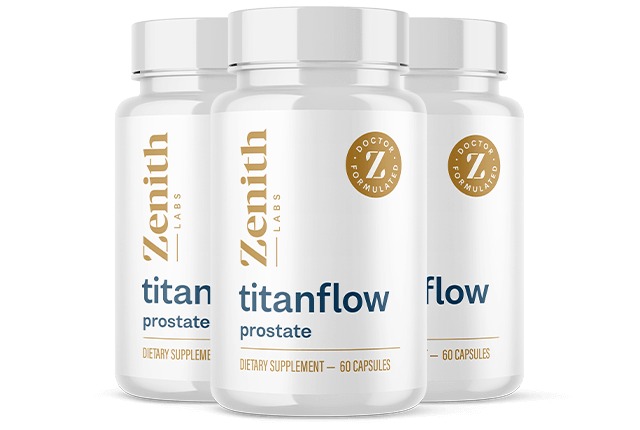
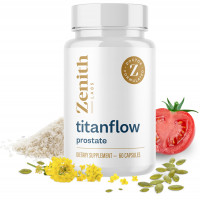
For men considering a urinary health supplement, one of the most important questions is simple: Can TitanFlow produce meaningful improvements in urinary flow, nighttime bathroom frequency, and overall bladder comfort?
To explore this question responsibly, it is important to separate the evidence for individual ingredients from evidence for the finished product itself. TitanFlow is marketed as a men's urinary and prostate health supplement, but evidence from studies of individual compounds does not automatically establish that the complete TitanFlow formula produces the same results.
This article looks at the biological factors involved in urinary symptoms, research surrounding commonly discussed ingredients, and what men should realistically expect when considering a supplement for urinary health.
The Biological Problem: Why Urinary Flow Can Change With Age
Urinary symptoms can develop for several reasons. One common cause in aging men is benign prostatic hyperplasia (BPH), a non-cancerous enlargement of the prostate. As the prostate grows, it can place pressure on the urethra and make it more difficult for urine to pass.
The urethra is the tube that carries urine from the bladder out of the body. Changes affecting the prostate, bladder, urethra, and surrounding muscles can all influence urinary function.
Common symptoms may include:
- A weaker or slower urine stream
- Difficulty starting urination
- Starting and stopping during urination
- A feeling that the bladder has not completely emptied
- Increased urinary frequency
- Getting up several times during the night
- An urgent need to urinate
It is therefore an oversimplification to attribute urinary symptoms solely to the "strength" of the urethral wall. Multiple biological mechanisms can contribute to urinary difficulties, and persistent symptoms should be discussed with a qualified healthcare professional.
What Research Says About Common Ingredients
TitanFlow is promoted around ingredients associated with prostate and urinary health. However, it is important to distinguish between clinical research on an individual ingredient and clinical research on TitanFlow itself.
1. Beta-Sitosterol and Urinary Flow
Beta-sitosterol is a plant sterol that has been studied in men experiencing symptoms associated with BPH.
A Cochrane review examined clinical trials involving beta-sitosterols and reported improvements in urinary symptoms and urinary flow measures compared with placebo. These findings suggest that beta-sitosterol may have potential for supporting certain lower urinary tract symptoms.
However, the available research on beta-sitosterol should not be interpreted as proof that every supplement containing beta-sitosterol will produce the same results.
2. Pumpkin Seed Oil and Urinary Symptoms
Pumpkin seed oil has also been investigated for urinary health. A 2014 human study published in the Journal of Traditional and Complementary Medicine examined pumpkin seed oil in people with overactive bladder symptoms.
The study reported improvements in several urinary measures during the study period. While these findings are interesting, the study was relatively small, and further research is needed to establish how consistently pumpkin seed oil can benefit different urinary conditions.
3. Pygeum Africanum
Pygeum africanum, derived from the African plum tree, has historically been studied as a botanical ingredient for urinary and prostate-related symptoms.
Some research has reported improvements in urinary symptoms among men with BPH. However, the quality and size of studies involving herbal ingredients can vary, so individual results should not be assumed to match results from clinical trials.
What About Results in 30–90 Days?
There is no scientifically established universal timeline in which every man taking a urinary supplement will experience results.
Some clinical studies involving botanical ingredients have evaluated participants over several weeks or months. This means that a 30–90-day period can be used as a practical timeframe for evaluating whether a supplement appears to be helping, but it should not be presented as a guaranteed biological timeline.
Factors such as age, existing prostate enlargement, diet, medications, overall health, and the underlying cause of urinary symptoms can all influence results.
A realistic approach is to pay attention to measurable changes rather than expecting dramatic overnight improvements. Examples include:
- Fewer nighttime bathroom visits
- A more consistent urine stream
- Less difficulty beginning urination
- Less frequent urgency
- A reduced sensation of incomplete emptying
Keeping a simple record of symptoms before and during supplementation can make changes easier to recognize.
Consistency and Realistic Expectations
Taking a supplement consistently is important when following the directions on its label. However, claims that ingredients permanently "rebuild" or "fortify" urethral cellular walls, or that stopping supplementation will necessarily cause urinary resistance to return, require specific clinical evidence and should not be assumed from ingredient studies alone.
Similarly, ingredient research cannot establish that a particular TitanFlow bundle or duration of use will provide lasting results.
TitanFlow should therefore be viewed as a supplement intended to support men's urinary and prostate health, rather than as a replacement for medical diagnosis or treatment.
Men experiencing persistent, worsening, painful, or significantly disruptive urinary symptoms should speak with a healthcare professional. Symptoms such as blood in the urine, inability to urinate, severe pain, fever, or sudden changes in urinary function warrant prompt medical attention.
Scientific References
- Wilt T, et al. Beta-sitosterols for benign prostatic hyperplasia. Cochrane Database Syst Rev. 1999;(3):CD001043. PMID: 10796740.
- Nishimura M, et al. Pumpkin Seed Oil Improves Urinary Disorder in Human Overactive Bladder. J Tradit Complement Med. 2014;4(1):72–74. PMID: 24872936.
- Marks LS, et al. Effects of a saw palmetto/beta-sitosterol combination on prostate tissue. Urology. 2000;55(5):671–675. PMID: 10792084.
Important: Research on individual ingredients does not establish that TitanFlow itself has been clinically proven to produce the same outcomes. The product's specific formula, dosage, and manufacturing should be considered when evaluating the available evidence.