Top 10 National Parks in India: A Practical Guide to Wildlife, Seasons, and Planning
-

- Published Updated
- 1,434 views
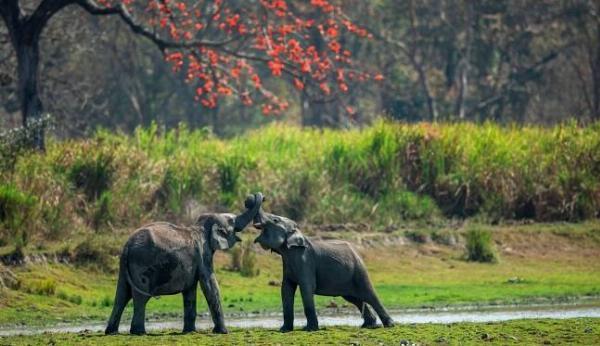
Planning a trip to national parks in India requires practical choices about season, wildlife sightings, and access. This guide lists the top 10 parks, explains what to expect, and gives a runnable checklist for safe, responsible visits.
- Detected intent: Informational
- Purpose: Quick comparison of the top 10 parks, planning checklist, tips, and common mistakes.
- Includes: SAFARI checklist, a short scenario, practical tips, and five core cluster questions for follow-up articles.
Top 10 national parks in India — quick list and highlights
Here are ten parks that consistently rank for biodiversity, visibility of iconic species, and visitor infrastructure. Each entry has a quick highlight to help pick the right park for wildlife, birds, or landscapes:
1. Jim Corbett National Park (Uttarakhand)
Best for first-time tiger sightings, mixed forests, and accessible safaris.
2. Kanha National Park (Madhya Pradesh)
Known for spotted deer, barasingha conservation, and open meadows that make sightings predictable.
3. Bandhavgarh National Park (Madhya Pradesh)
High tiger density and good chances of close sightings in a compact reserve.
4. Ranthambore National Park (Rajasthan)
Fort backdrop, dry deciduous forest, and well-managed tourism options.
5. Kaziranga National Park (Assam)
World-class for one-horned rhinoceros and large elephant herds — best in the dry season.
6. Periyar National Park (Kerala)
Lake-based boat safaris for elephants and an easy-access experience.
7. Sundarbans National Park (West Bengal)
Mangrove estuary with unique Bengal tiger behavior — boat-based exploration only.
8. Gir National Park (Gujarat)
Only place for wild Asiatic lions; open dry forest and guided vehicle safaris.
9. Hemis National Park (Ladakh)
High-altitude refuge for snow leopards and cold-adapted species — timing and acclimatisation critical.
10. Bandipur National Park (Karnataka)
Part of a larger tiger reserve network with good chance for elephants and ungulates.
How to choose between the top parks
Choosing between parks depends on intended sightings, season, accessibility, and permitted activities. For birding, Assam and the Western Ghats regions excel. For large-mammal safari experience, central India and the Terai are best. For unique habitat experiences (mangroves, high-altitude plateaus), consider Sundarbans or Hemis.
Visit planning framework: SAFARI checklist
Use the SAFARI checklist to organize a safe, respectful, and productive park visit:
- Season — choose dry or mating seasons for better sightings.
- Access & permits — book permits and check entry rules ahead.
- Facilities — confirm vehicles, guides, and accommodation type (forest rest house vs. private lodge).
- Attire & gear — neutral clothing, binoculars, first-aid, and water.
- Responsibility — follow park rules, maintain distance, and avoid feeding wildlife.
- Itinerary — buffer extra time for travel delays and wildlife unpredictability.
Practical tips for visiting national parks in India
- Book safaris and accommodations in advance during peak months (October–March for most parks).
- Prefer morning or late-afternoon safaris for most mammals; midday is better for birding in some regions.
- Hire accredited guides or naturalists; local knowledge often makes the difference for sightings.
- Carry cash and ID; some remote gates accept limited payment modes.
- Respect wildlife rules: no flash photography, no littering, and keep voices low to avoid disturbing animals.
Trade-offs and common mistakes
Common mistakes
Selecting the wrong season (e.g., visiting a wet-season park during monsoon), assuming guaranteed sightings, or ignoring permit windows are common errors. Overpacking activities into one day reduces the chance of meaningful wildlife encounters.
Trade-offs to consider
Choosing accessibility over solitude: parks near major cities (Ranthambore, Corbett) are easier to reach but busier. Remote parks (Hemis, Sundarbans) offer unique species but require more logistics and may be weather-dependent.
Short scenario: planning a 4-day wildlife trip
Scenario: A 4-day trip focused on tiger viewing. Day 1: arrive near park and confirm permits. Day 2: early morning and late afternoon safaris with a local guide. Day 3: optional community walk or birding and a second set of safaris. Day 4: final sunrise drive and travel out. Follow the SAFARI checklist and allow extra time for delays.
Official guidance and conservation context
India's protected-area network and management guidelines are published by the Ministry of Environment, Forest and Climate Change; consult official resources for permit rules and park notifications. Ministry of Environment, Forest and Climate Change provides updates on reserves and legal frameworks.
Core cluster questions
- Which national parks in India are best for tiger sightings?
- What is the best time of year to visit Indian national parks for birding?
- How to secure safari permits and park entry in India?
- Which Indian national parks are suitable for family trips and accessible safaris?
- How do conservation policies affect tourism in India’s national parks?
Frequently Asked Questions
Which national parks in India are best for tiger sightings?
Central Indian reserves such as Bandhavgarh, Kanha, and Pench, along with Ranthambore and Corbett, have reliably higher chances of tiger sightings due to habitat type, management, and prey density. Sightings are not guaranteed; booking multiple safaris and local guides increases chances.
When is the best time to visit most national parks in India?
In general, October–March is the preferred window for many parks because vegetation is lower, and animals concentrate near water sources. Tropical parks may have different peak months; check local park calendars before travel.
How are permits and safaris typically booked?
Booking portals vary by state and park; many parks offer online reservations alongside in-person counters. Accredited tour operators can help with package logistics but confirm official permit windows directly from park authorities.
Are national parks in India family-friendly?
Many parks—such as Periyar and Bandipur—offer family-friendly facilities and shorter, safer boat or vehicle safaris. High-altitude parks or remote mangrove areas may not be suitable for very young children or those with health constraints.
What should be avoided when visiting a national park?
Avoid approaching wildlife, feeding animals, discarding plastic, and straying off designated routes. Such actions harm animals and can lead to fines or revoked permits.