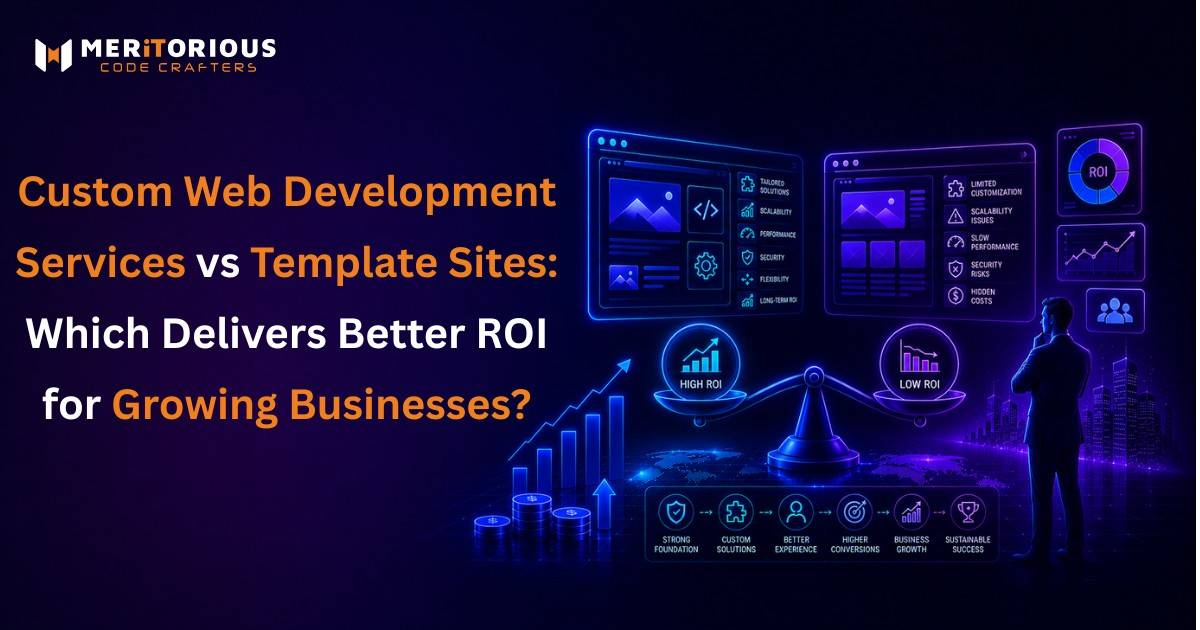
10 Essential Qualities of the Best Software Development Company in 2025
-
- February 23rd, 2026
- 400 views

FREE SEO Topical Map Generator: Find Your Next Content Ideas
Selecting the best software development company requires clear criteria, verified processes, and a focus on long-term outcomes. This guide explains the top qualities to evaluate so decision-makers can choose a partner that delivers secure, maintainable, and valuable software. The term best software development company appears throughout to align evaluation priorities with practical selection steps.
Detected intent: Informational
Best software development company: 10 essential qualities
Quality assessment should cover people, process, technology, security, and delivery outcomes. The following qualities reflect what buyers typically expect from a top-tier vendor in 2025.
1. Proven delivery process and lifecycle discipline
Look for companies that document standard development lifecycles and version control practices. Familiarity with lifecycle standards such as ISO/IEC and formal models like CMMI (Capability Maturity Model Integration) indicates maturity in repeatable delivery.
2. Strong security and compliance posture
Security must be integrated from design through deployment. Certifications or alignment with ISO/IEC 27001 practices and secure coding checklists reduce risk. See the ISO information security overview: ISO/IEC 27001.
3. Modern engineering and tooling
Effective teams use CI/CD pipelines, automated testing, infrastructure as code, observability, and dependency management. Tool names are examples of practices, not endorsements.
4. Clear product and project management
Agile planning, backlog grooming, measurable milestones, and transparent reporting are essential. The company should produce regular demos and metrics such as lead time and deployment frequency.
5. Skilled cross-functional teams
Teams that include architects, QA, UX, security specialists, and DevOps deliver more resilient products than siloed groups. Look for evidence of collaboration across disciplines.
6. Maintainability and documentation
Readable code, consistent standards, API documentation, and automated tests reduce long-term costs and technical debt.
7. Scalability and performance engineering
Architectural decisions should reflect expected usage growth. Performance testing and capacity planning are signs of an engineering-forward vendor.
8. Business and domain understanding
Technical skill must pair with domain knowledge. The best vendors ask outcome-oriented questions and align delivery with business KPIs.
9. Transparent commercial model and risk sharing
Clear pricing, milestone-linked payments, and well-defined change processes limit surprises. Consider fixed-price for well-scoped work and time-and-materials for exploratory phases.
10. Post-delivery support and improvement
Support SLAs, incident response plans, and scheduled improvement cycles (retrospectives and roadmap updates) keep products healthy after launch.
10-point vendor evaluation checklist (VENDOR-CHECK)
Use this quick checklist during shortlisting and vendor interviews.
- Documented delivery process and evidence of CMMI or equivalent maturity
- Security practices and compliance alignment (e.g., ISO/IEC 27001)
- Automated CI/CD and testing coverage
- Clear project governance and reporting cadence
- Cross-functional team composition
- Sample code, architecture diagrams, and references
- Performance and scalability testing artifacts
- Business domain experience and case studies
- Transparent contracts and pricing model
- Support SLAs and maintenance plans
Short real-world scenario
A mid-size fintech firm needed a new payments API and chose a vendor after a two-stage evaluation: (1) technical review of architecture and security artifacts, and (2) a paid 6-week discovery sprint. The chosen vendor provided an architecture proof, threat model, CI/CD pipeline, and a 6-month delivery plan aligned to business KPIs. Outcome: earlier detection of integration risks and a 20% faster deployment time in production.
Core cluster questions
- How to evaluate technical maturity of a software development firm?
- What security certifications matter for software vendors?
- How does CMMI relate to software delivery quality?
- What questions to ask during a vendor discovery sprint?
- How to compare fixed-price vs time-and-material contracts for software projects?
Practical tips to choose a partner
Actionable steps that accelerate confident vendor selection.
- Request a short, paid discovery or spike to validate technical fit before large commitments.
- Ask for architecture diagrams, CI/CD screenshots, and test coverage reports as evidence.
- Validate security posture with a basic threat model and evidence of dependency scanning.
- Insist on measurable SLAs and an exit/knowledge-transfer clause in contracts.
Common mistakes and trade-offs
Picking a vendor solely on price often increases long-term costs through rework and technical debt. Choosing the most feature-rich proposal without considering maintainability and team composition can delay delivery. Trade-offs typically involve speed vs. robustness and short-term cost vs. lifecycle expense — document priorities and accept trade-offs explicitly in the statement of work.
Decision framework: VENDOR-CRED
Use VENDOR-CRED (Value alignment, Engineering, Non-functional requirements, Delivery, Operations, Risk, Compliance, References, Economics, Documentation) as a simple evaluation model during vendor scoring and selection.
Frequently Asked Questions
What makes the best software development company stand out?
A top company combines proven delivery processes, strong security/compliance, observable engineering practices (CI/CD, automated testing), cross-functional teams, and evidence of business outcome delivery.
How to verify a vendor's security and compliance claims?
Request documented policies, recent audit summaries, evidence of secure development practices, and alignment to standards such as ISO/IEC 27001. Consider a third-party security assessment for higher-risk projects.
How important is CMMI or similar maturity models?
CMMI and related maturity frameworks indicate process discipline and repeatability. They are useful signals but should be combined with practical evidence like delivery metrics and case studies.
How should pricing be structured for long-term projects?
Mix contract types: use a paid discovery phase, then choose fixed-price for well-scoped increments and time-and-materials for exploratory or evolving work. Include clear change control and acceptance criteria.
What questions should stakeholders ask in a discovery sprint?
Ask for a clear problem statement, proposed architecture, success metrics, risk register, timeline, and a list of assumptions that will be validated during the sprint.
Related Posts