Top 7 Autumn Himalayan Treks in India: Routes, Difficulty & Planning Guide
-

- February 23rd, 2026
- 1,358 views

FREE SEO Topical Map Generator: Find Your Next Content Ideas
Introduction
The best autumn Himalayan treks in India combine crisp daylight, stable weather windows, and off-peak trails that reveal clear mountain panoramas. Autumn (typically October–November) is a popular season for Himalayan hiking because monsoon runoff has settled and before winter snows set in at higher altitudes. This guide lists seven routes, practical planning steps, a named checklist, real-world example, and actionable tips to plan safe, enjoyable treks.
- 7 recommended treks across Uttarakhand, Himachal Pradesh, and Ladakh for October–November.
- Options range from easy 3–6 day hikes to challenging high-altitude passes (7–12 days).
- Use the TREK SAFE checklist for route selection, gear, acclimatization, and emergency planning.
Detected intent: Informational
best autumn Himalayan treks in India
This section highlights seven treks suitable for autumn conditions, with a short note on duration, difficulty, altitude, permits, and why autumn is a good season for each. Choose routes that match fitness, experience level, and logistical tolerance.
1. Kedarkantha (Uttarakhand) — Classic beginner-friendly summit
Duration: 4–6 days. Difficulty: Easy–Moderate. Highest point: ~3,800 m. Why autumn: clear skies and colorful rhododendrons give way to pine-scented trails. Best for first-time multi-day trekkers. Permits: local forest or village registration.
2. Hampta Pass to Chandratal (Himachal Pradesh) — Dramatic valley contrast
Duration: 4–6 days. Difficulty: Moderate. Highest point: Hampta Pass ~4,270 m. Why autumn: stable weather and firm trail conditions lower risk of stream-crossing hazards. Suitable for trekkers wanting alpine scenery without technical climbing.
3. Roopkund (Uttarakhand) — High-altitude lake trek
Duration: 8–10 days. Difficulty: Moderate–Hard. Highest point: ~5,029 m (Roopkund area). Why autumn: crisp air and visible panoramas make the circadian views and alpine meadows memorable. Be prepared for altitude and colder nights.
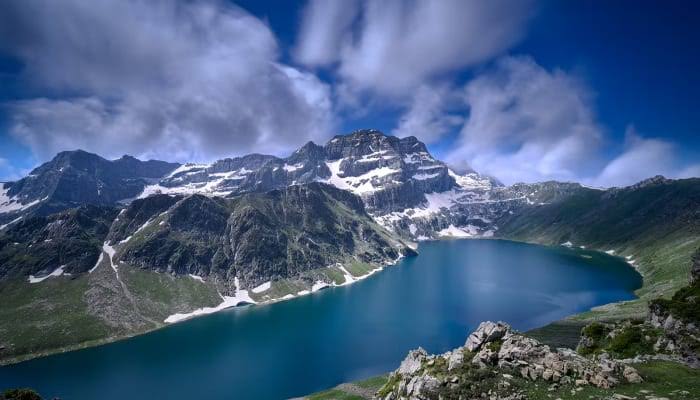
4. Tarsar Marsar (Kashmir) — Remote alpine lakes
Duration: 7–9 days. Difficulty: Moderate–Hard. Highest point: 3,600–3,800 m. Why autumn: late-season clarity with diminishing insects and vibrant larch colors. Access may require local permits and coordination with village authorities.
5. Markha Valley (Ladakh) — High-desert scenic treks
Duration: 6–8 days. Difficulty: Moderate. Highest point: Kongmaru La ~5,200 m. Why autumn: low precipitation and bright blue skies ideal for wide Himalayan and Zanskar views. Ensure proper acclimatization for high passes.
6. Kuari Pass / Dhak Khola (Garhwal) — Short high-view trek
Duration: 5–7 days. Difficulty: Easy–Moderate. Highest point: ~3,600 m. Why autumn: expansive views of Nanda Devi and surrounding peaks become more visible after monsoon clouds clear.
7. Bhrigu Lake (Manali region) — Gentle alpine lake hike
Duration: 2–3 days. Difficulty: Easy–Moderate. Highest point: ~4,300 m. Why autumn: accessible short route for acclimatization or for travelers with limited time seeking alpine vistas.
TREK SAFE checklist (named framework)
Use the TREK SAFE checklist to evaluate a route quickly.
- T — Terrain & difficulty: Match trail grade to fitness and experience.
- R — Route logistics: Transport, resupply, and exit points.
- E — Equipment: Boots, layers, sleeping system, stove, first aid.
- K — Know-how: Navigation, map, GPS, local guide if unfamiliar.
- S — Safety: Weather windows, river crossings, permits.
- A — Acclimatization: Schedule rest and gradual altitude gain.
- F — Food & fuel: Calories per day and backup fuel options.
- E — Emergency plan: Evacuation routes, local contact, insurance.
Practical planning example (real-world scenario)
Example: A 7-day Kedarkantha trek in early November. Day 1: drive to Sankri, register with park authorities (local requirement). Days 2–5: progressive camps with daily gains of 400–600 m for acclimatization. Day 6: summit push early and return to base. Day 7: travel back. Follow TREK SAFE to confirm weather, carry a layered insulation system, and keep a portable communication device for emergencies.
Practical tips for autumn trekking
- Pack for temperature swings — daytime warmth, cold nights: bring a 4-season sleeping bag and down layer.
- Plan alt gains under 500 m per day above 3,000 m to reduce altitude sickness risk.
- Carry waterproofs and gaiters; autumn trails can still have wet sections from late monsoon runoff.
- Confirm permits and pass notifications early—some remote valleys enforce village-level registrations.
- Use a personal locator or satellite messaging device on high-altitude treks where cellphone coverage is unreliable.
Trade-offs and common mistakes
Choosing an autumn trek involves trade-offs:
- Higher-altitude routes (Markha, Roopkund) offer clearer views but require stronger acclimatization and may have early snow — plan conservatively.
- Shorter treks (Bhrigu, Kuari) are easier logistically but deliver fewer high-alpine experiences.
- Common mistakes: underestimating altitude effects, overpacking heavy gear, skipping permits, and ignoring local weather advisories.
Core cluster questions
- What are safe acclimatization practices for Himalayan treks?
- How to choose between a guided trek and independent trekking in the Himalayas?
- Which daypack and sleeping system suit October–November Himalayan conditions?
- What permits are required for popular treks in Uttarakhand, Himachal, and Ladakh?
- How to read mountain weather forecasts and decide on a summit push window?
Permits, official guidance, and references
Permit requirements vary by state and valley. For authoritative information about permits and mountaineering rules, consult the Indian Mountaineering Foundation: https://www.indmount.org.in. Local forest departments and village councils also manage trail access in many regions.
Final checklist before departure
- Confirm route, transport, and emergency exit options.
- Share itinerary and expected check-in times with a contact who is not on the trek.
- Pack layered clothing, altitude-appropriate medication, and a reliable stove and fuel.
- Check weather 48–72 hours before and adjust plans for strong winds or snowfall at high passes.
FAQ
Which are the best autumn Himalayan treks in India?
The best autumn Himalayan treks in India include Kedarkantha, Hampta Pass, Roopkund, Tarsar Marsar, Markha Valley, Kuari Pass, and Bhrigu Lake. Select based on fitness, desired scenery, and available time.
Are October treks in the Himalayas safe from rain?
October usually has lower rainfall than monsoon months, but localized showers or late-season storms can occur. Expect clearer skies but pack waterproof layers and check recent weather reports before departure.
Do November Himalayan hiking routes require special gear?
November can be cold at higher altitudes. Insulated sleeping bags, warm layers, and a reliable stove are recommended. For high passes, consider microspikes or crampons if early snow is possible.
How to avoid altitude sickness on Himalayan treks?
Ascend gradually, schedule rest days, stay hydrated, and recognize early symptoms (headache, nausea, dizziness). If symptoms worsen, descend immediately and seek medical help.
What permits are typically needed for autumn treks in India?
Permit requirements vary: national parks, conservation reserves, and certain valleys require entry permits or registration with local forest offices or village councils. Confirm permit rules for the specific state and route well before travel.