Top 8 Ecommerce Ads Techniques to Boost Conversions and ROAS
-

- February 26th, 2026
- 1,708 views

FREE SEO Topical Map Generator: Find Your Next Content Ideas
High-performing ecommerce ads techniques can increase conversion rate, improve return on ad spend (ROAS), and scale customer acquisition. This article outlines eight practical techniques that work across search engines and social platforms, explains measurement approaches, and highlights compliance considerations for advertisers and merchants.
- Focus on audience segmentation, creative testing, and product-level ads to raise relevance.
- Use remarketing and dynamic product ads to recover high-intent shoppers.
- Measure with clear KPIs (conversion rate, ROAS, CPA) and use A/B testing for continuous improvement.
Why ecommerce ads techniques matter
Online marketplaces and brand websites operate in a competitive environment where small improvements in ad relevance, landing-page experience, or bidding strategy can materially change profitability. Effective ecommerce ads techniques reduce wasted spend, lift conversion rates, and optimize lifetime value by aligning creative, targeting, and measurement.
8 Best ecommerce ads techniques to transform your business
1. Audience segmentation and customer intent targeting
Divide prospects by behavior, demographics, or purchase intent. Common segments include new visitors, cart abandoners, repeat buyers, and high lifetime-value customers. Tailoring messages to each segment increases relevance and typically lowers cost per acquisition (CPA).
2. Dynamic product ads and product feed optimization
Use dynamic ads that pull real-time product data from a feed to show the exact item a shopper viewed or related recommendations. Ensure the product feed includes accurate titles, images, categories, and availability to improve matching and click-through rate (CTR).
3. Creative testing and multi-format creatives
Test different headlines, product images, short videos, and carousel layouts. Creative testing using controlled A/B experiments helps identify formats that drive the best engagement and conversion rate. Rotate creatives regularly to prevent ad fatigue.
4. Remarketing and sequential messaging
Implement remarketing to re-engage visitors who interacted but did not convert. Use sequential messaging: awareness ads followed by product-specific reminders and time-limited offers. Frequency caps and creative variation maintain user experience while increasing recovery of lost sales.
5. Conversion-rate optimization (CRO) for landing pages
Align landing pages with ad promises: matching headlines, product images, and calls to action. Optimize page speed, mobile responsiveness, and checkout flow to reduce drop-off. Small improvements in landing-page experience can multiply the effectiveness of ad spend.
6. Smart bidding and budget allocation
Adopt bid strategies that align with business goals — for example, target ROAS or target CPA when available. Allocate budget toward high-performing segments and scale incrementally. Monitor metrics like CPC, CPM, and conversion volume to prevent overspend on low-value traffic.
7. Measurement, attribution, and UTM tagging
Establish clear KPIs: revenue, ROAS, CPA, and average order value (AOV). Use consistent UTM tagging to trace traffic sources in analytics platforms. Understand attribution windows and models (last click, data-driven attribution) to evaluate which channels truly drive sales.
8. Cross-channel orchestration and customer lifetime value (CLV)
Coordinate messaging across organic search, paid search, display, and email. Consider CLV when evaluating bids and creative for different customer segments — higher-CLV audiences can justify a higher CPA. Retention-focused ads (upsells, subscription offers) help increase long-term profitability.
Implementation checklist and best practices
Data and tracking
Ensure pixel and server-side tracking are in place for accurate conversion measurement. Use first-party data where possible and respect consent and privacy regulations such as GDPR and CCPA when collecting and using personal data.
Testing cadence
Run iterative A/B tests with clear hypotheses and sufficient sample sizes. Test one variable at a time when possible (creative, audience, landing page) and allow tests to reach statistical significance before changing strategy.
Budget management
Start with a test budget for new techniques, then scale winning combinations. Maintain a reserve for seasonal spikes and promotional periods when traffic and conversion behavior typically shift.
Compliance and transparency
Advertising practices must follow consumer protection rules and platform policies. For guidance on advertising law and deceptive practices in the United States, consult resources from the Federal Trade Commission.
Federal Trade Commission — Advertising and Marketing Guidance
How to measure success
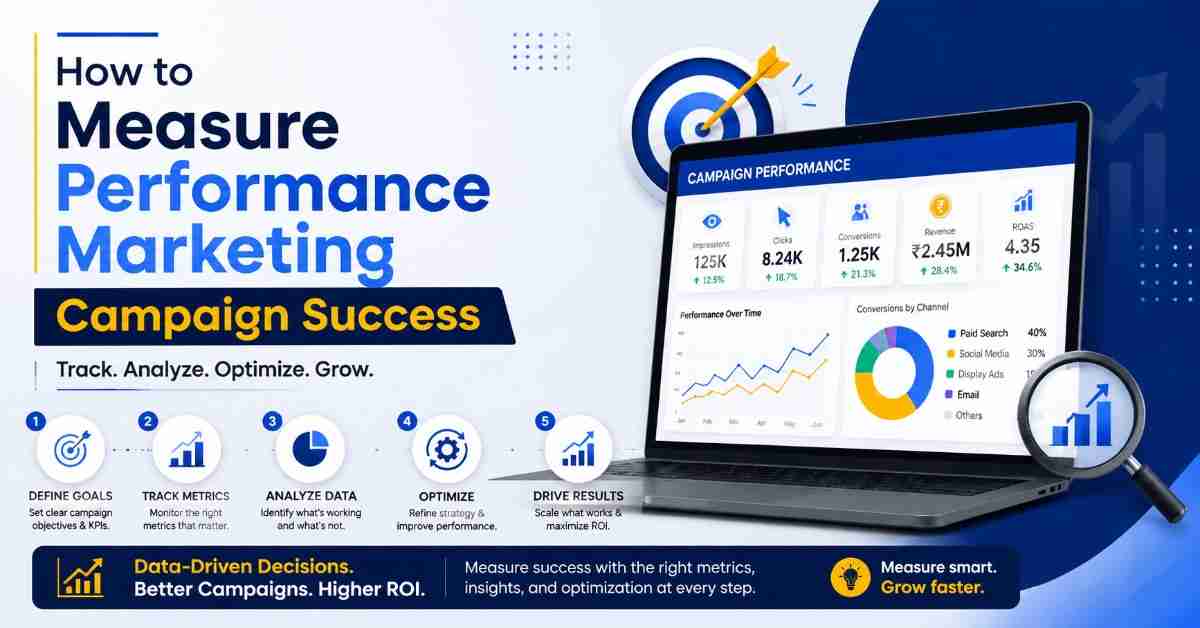
Key metrics include conversion rate, ROAS, CPA, CTR, and AOV. Combine short-term KPIs (clicks, conversions) with longer-term metrics (CLV, retention rates) to get a full picture of campaign value. Regularly review attribution settings and reconcile platform-reported conversions with analytics and revenue data from the commerce system.
Frequently asked questions
What are the most effective ecommerce ads techniques for small stores?
Small stores often benefit most from audience segmentation, remarketing to cart abandoners, product feed optimization, and focused creative tests that improve conversion rate without large budgets.
How long should A/B tests run for ecommerce ads techniques?
Tests should run until results reach statistical significance and show consistent performance over multiple business cycles (weekdays and weekends). Minimum duration depends on traffic volume; higher-traffic campaigns reach conclusions more quickly.
Can ecommerce ads techniques improve ROAS immediately?
Some techniques, like fixing landing-page mismatches or correcting product feed errors, can produce immediate gains. Others, such as audience buildup and creative optimization, typically require iterative testing and time to scale.
How do privacy regulations affect ecommerce ads techniques?
Regulations like GDPR and CCPA affect data collection, consent, and use of personal information for targeting. Implement consent management, minimize reliance on third-party cookies where required, and follow platform and regulator guidance to stay compliant.