Toronto Digital Marketing & SEO Strategies to Grow Local Visibility
-

- February 23rd, 2026
- 1,167 views
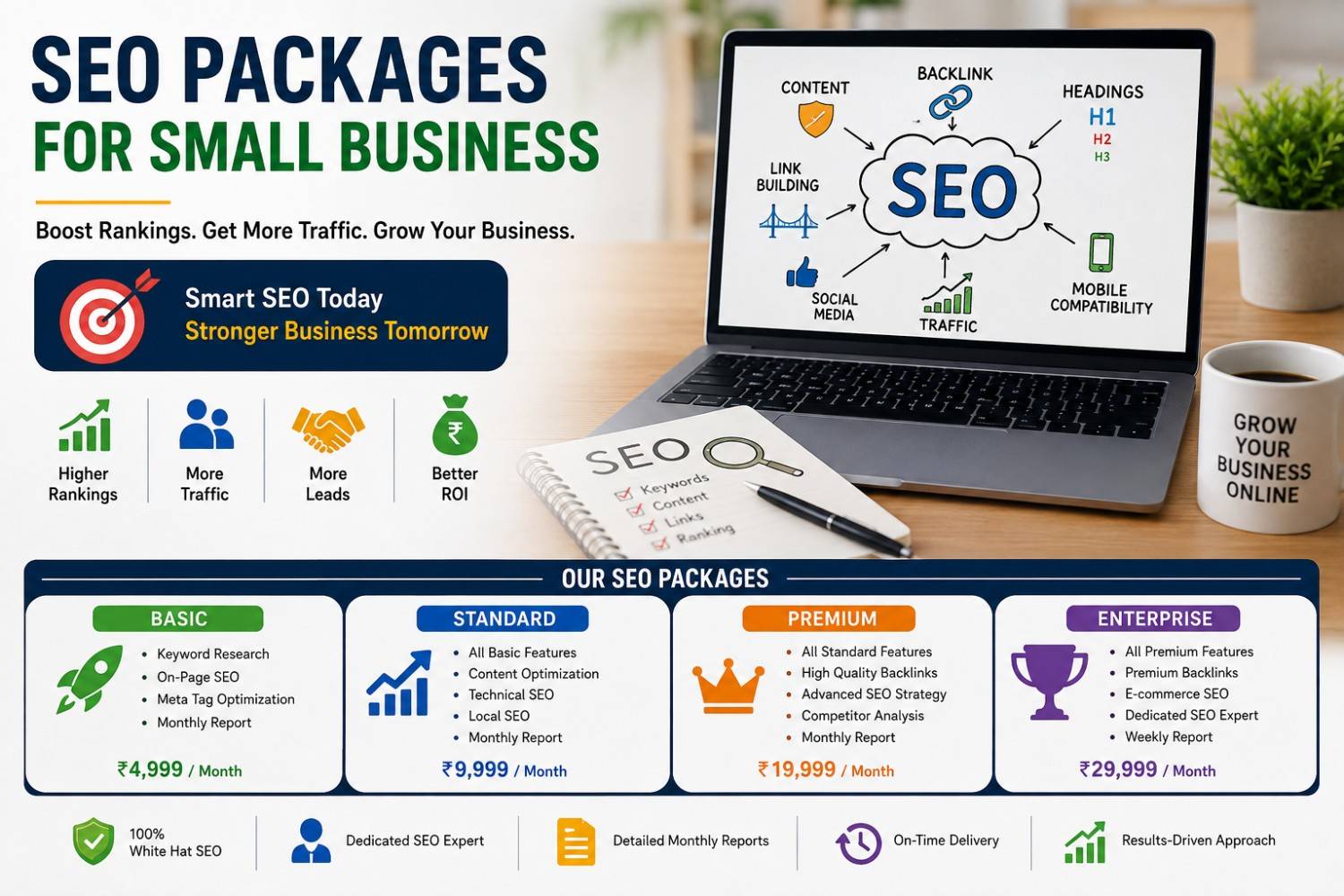
Digital marketing and SEO in Toronto require a mix of local optimization, relevant content, and measurable campaigns to reach customers across diverse neighbourhoods. Businesses that align website structure, local business listings, and content with audience search intent increase visibility in search engine results and local directories.
- Focus on local SEO signals: business listings, reviews, and location pages.
- Invest in content that matches Toronto audience intent and regional topics.
- Address technical SEO: mobile performance, structured data, and site security.
- Use paid channels and analytics to accelerate and measure results.
- Follow Canadian regulations for email and privacy when collecting user data.
Digital Marketing and SEO in Toronto: Key Strategies
Understand the Toronto market and user intent
Toronto is a large, diverse market with neighbourhood-level differences in language, preferences, and search behaviour. Use demographic and industry data from Statistics Canada and local business directories to identify target audiences. Map common search queries (informational, navigational, commercial) and prioritize content that answers those queries clearly and concisely.
Local SEO fundamentals
Local search performance depends on consistent business information, local citations, and review signals. Maintain accurate business listings across major directories and ensure addresses, phone numbers, and hours are synchronized. Create locally focused landing pages or service-area pages for distinct Toronto neighbourhoods and use schema markup to signal location and service details to search engines.
Content strategy and on-page optimization
Develop content that aligns with user needs at each stage of the customer journey: how-to articles, local guides, product/service pages, and FAQ pages. Optimize title tags, meta descriptions, headings, and image attributes for relevant keywords while avoiding keyword stuffing. Include local context—transit access, nearby landmarks, neighbourhood names—to increase relevance for local search queries.
Technical SEO and mobile performance
Technical best practices help search engines crawl and index content efficiently. Ensure a secure site (HTTPS), fast mobile page speeds, clean URL structures, and an XML sitemap. Use structured data (schema.org) to provide context for products, events, and reviews. Regularly check search engine indexing reports and server logs to identify crawl errors and fix duplicate content or redirect issues.
Reviews, reputation, and local partnerships
Online reviews and community engagement influence local ranking and conversions. Encourage satisfied customers to leave reviews on platforms relevant to Toronto audiences and respond professionally to feedback. Participate in local partnerships, sponsorships, or events to earn mentions and backlinks from community websites and local news outlets.
Paid media, social channels, and local ads
Paid search and social advertising can complement organic efforts by targeting high-value keywords or neighbourhoods. Use geo-targeting to reach Toronto neighbourhoods, and A/B test ad copy and landing pages to improve conversion rates. Social media is useful for community engagement and promoting locally relevant content, events, or offers.
Measurement, analytics, and goal setting
Define measurable objectives—traffic, leads, phone calls, store visits—and track them with analytics tools. Set up conversion tracking to attribute results to channels and campaigns. Use data to refine keyword priorities, landing pages, and ad spend. Consider using call-tracking for phone leads and event tracking for form submissions or downloads.
Compliance and data privacy
Email marketing and data collection must follow Canadian regulations such as the Canada Anti-Spam Legislation (CASL) and privacy requirements overseen by the Office of the Privacy Commissioner of Canada. When collecting personal information, obtain appropriate consent, maintain clear privacy notices, and offer simple opt-out methods. For details on anti-spam rules, refer to the Government of Canada guidance: https://www.fightspam.gc.ca.
Choosing a local provider or building in-house capabilities
Evaluate skills and experience
Select partners or hires with demonstrable local SEO experience, analytics proficiency, and a content-first approach. Request case studies that show measurable outcomes such as traffic growth, local ranking improvements, or increased conversions.
Budgeting and timelines
SEO is typically a medium-to-long-term investment. Set realistic timelines and milestones for technical fixes, content creation, and outreach. Use paid channels for short-term visibility while organic channels mature.
Ongoing maintenance
Search visibility requires ongoing attention: content updates, review management, link monitoring, and technical audits. Schedule periodic reviews to address algorithm changes, platform updates, and evolving customer needs.
FAQs
What is the role of digital marketing and SEO in Toronto for small businesses?
Digital marketing and SEO help small businesses improve online visibility, connect with local customers, and compete effectively by optimizing websites, local listings, and content for Toronto-specific searches.
How long does it take to see results from SEO in Toronto?
Results vary by competition, website history, and resources. Some technical fixes can yield quick improvements in weeks, while content and authority-building efforts typically take several months to show sustained gains.
What metrics should local Toronto businesses track?
Track organic traffic, local search rankings, conversions (calls, form submissions, bookings), review volume and rating, and return on ad spend for paid campaigns.
Is email marketing allowed under Canadian rules?
Email marketing is permitted but must comply with Canadian anti-spam rules (CASL), including obtaining consent, providing identification information, and offering a clear unsubscribe mechanism. Consult official guidance from federal regulators for detailed requirements.
Can a business do SEO without hiring an agency?
Yes. With time and learning, businesses can implement many SEO best practices in-house. However, technical issues, content scaling, and link-building often benefit from external expertise or training.