Effective Tourism Creative Ads to Promote a Travel Agency
-

- February 23rd, 2026
- 1,549 views

FREE SEO Topical Map Generator: Find Your Next Content Ideas
Tourism Creative Ads are visual and message-driven campaigns designed to attract travelers and convert interest into bookings. Effective Tourism Creative Ads combine clear audience targeting, compelling creative assets, and measurable calls to action to promote a travel agency’s services across search, social, display, and email channels.
- Define audience segments and map creative to traveler motivations.
- Use diverse ad formats: short video, carousel images, native content, and responsive display.
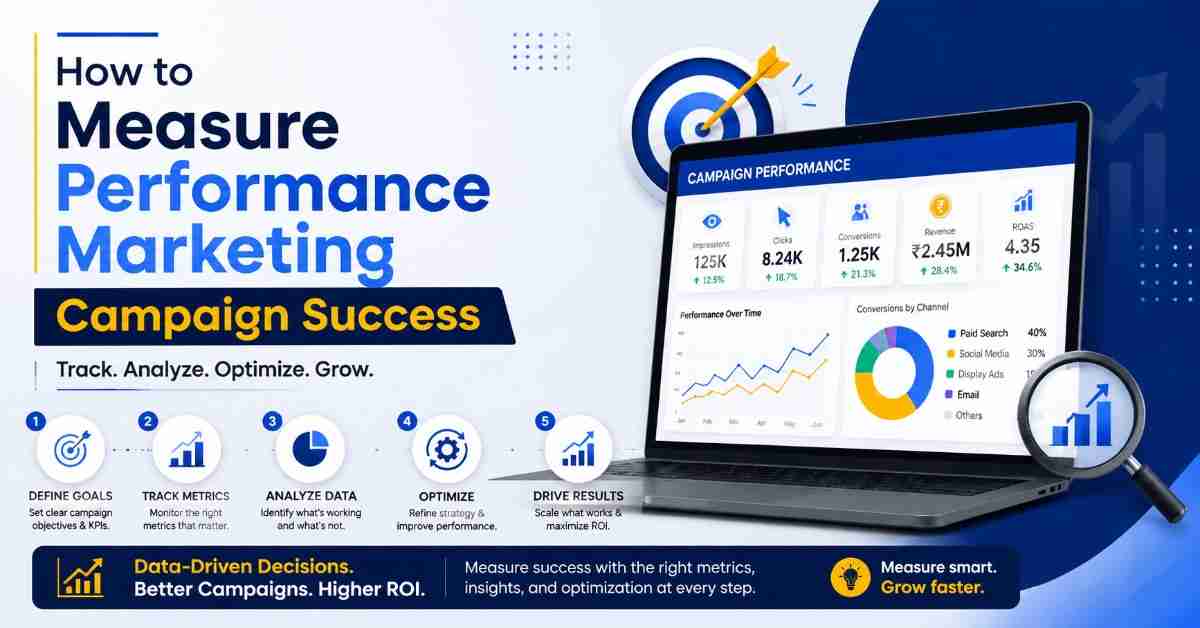
- Measure results with clear KPIs (click-through rate, conversion rate, cost per booking) and iterate via A/B tests.
- Follow advertising regulations and accessibility best practices to maintain trust and reach.
Tourism Creative Ads: Strategy and Best Practices
A strategy for Tourism Creative Ads should start with a concise campaign objective—brand awareness, lead generation, or bookings—and progress into audience definition and channel selection. Align creative messaging to traveler intent: adventure, relaxation, cultural experiences, or business travel. Use visuals and headlines that communicate benefit quickly and include a single, clear call to action (CTA).
Set clear objectives and KPIs
Common objectives include impressions for awareness, click-through rate (CTR) for engagement, and conversion rate for bookings. Establish KPIs such as cost per lead (CPL) or return on ad spend (ROAS) and track them consistently to evaluate performance.
Map creatives to traveler personas
Segment audiences by demographics, travel behavior, booking window, and budget. Create ads tailored to each persona—for example, weekend-city-break offers for short-trip planners and long-stay package visuals for leisure travelers. Messaging should address motivations and pain points like convenience, unique experiences, or price transparency.
Audience Targeting and Channel Selection
Choose channels where target travelers spend time and match formats to user behavior. Search and discovery channels capture high-intent travelers; social and video channels build inspiration and consideration.
Segmentation tactics
Use first-party data (website visitors, past bookers) and contextual signals (destination interest, seasonal intent) to create re-engagement and lookalike segments. Consider lifecycle stage: prospecting ads for new audiences and retargeting ads for cart abandoners.
Channel mix
A balanced mix includes paid search or discovery for intent-driven queries, social media and video for inspiration, display and native ads for remarketing, and email for nurturing leads. Allocate budget based on historical channel performance and campaign goals.
Creative Formats and Messaging
Ad formats should be optimized for the chosen channel and the attention span of the audience. High-quality imagery, short video, and concise copy increase engagement. Include localized content when promoting specific destinations or language groups.
Visual best practices
Use striking hero images, on-destination lifestyle shots, and short clips (6–15 seconds) that open with an attention-grabbing scene. Test different thumbnails and headlines to see which combinations drive higher CTR.
Copywriting tips
Keep headlines focused on the primary benefit, include destination names when relevant, and use action-driven CTAs like "Book flexible dates" or "Check availability." Highlight guarantees or unique services (e.g., free cancellations, guided experiences) clearly and succinctly.
Measurement, Testing, and Optimization
Measurement is essential for proving value and optimizing spend. Track visitors through an analytics setup that connects ad clicks to website actions and conversions.
A/B testing and iterative improvement
Run controlled tests for images, headlines, CTAs, and landing pages. Use one variable per test to identify causal effects. Scale winning variants and continue testing to adapt to seasonal demand and market changes.
Key metrics to monitor
Monitor impressions, CTR, conversion rate, cost per conversion, and lifetime value (LTV) of customers acquired through campaigns. Regularly review funnel drop-off points on booking paths to reduce friction.
Compliance, Accessibility, and Trust
Advertising in tourism is subject to consumer protection rules and industry best practices. Ensure claims about pricing, availability, and refunds are accurate and supported. Provide clear terms and disclosures where required.
Accessibility and inclusivity
Use readable fonts, sufficient contrast, and alternative text for images. Caption videos and make interactive elements keyboard-navigable to reach a broader audience and comply with accessibility standards.
Industry guidance
Follow recommendations from industry bodies such as the World Tourism Organization (UNWTO) on sustainable promotion and traveler protection. For authoritative statistics and guidance, see the UNWTO website: www.unwto.org.
Sample Campaign Workflow
Plan campaigns in phases: research and creative brief, asset production, platform setup, testing and launch, and ongoing optimization. Use a campaign brief template that documents target persona, messaging pillars, creative assets required, tracking needs, and projected KPIs.
Launch checklist
- Confirm tracking pixels and conversion events are firing correctly.
- Ensure landing pages match ad messaging and load quickly.
- Set budgets, bidding strategies, and frequency caps to avoid ad fatigue.
- Schedule reviews to analyze early performance and implement A/B tests.
Frequently Asked Questions
What are effective Tourism Creative Ads for a small travel agency?
Effective Tourism Creative Ads for small agencies focus on niche strengths—unique itineraries, local expertise, or curated experiences. Use micro-targeting to reach likely customers, prioritize high-impact formats like short videos and single-image ads, and optimize landing pages for quick conversions. Start with a small test budget and scale campaigns that meet predefined KPIs.
How should budget be allocated across channels for travel promotion?
Allocate budget according to campaign objectives: brand awareness needs higher spend on broad-reach channels, while conversion-focused campaigns should allocate more to intent-driven channels and retargeting. Historical performance and seasonal demand should inform adjustments.
How can creative performance be measured without brand-specific tools?
Use general analytics platforms to track traffic sources, user behavior on landing pages, and conversion funnels. Implement event tracking for clicks and form submissions, and calculate CPL and conversion rates to compare creative variants. Correlate campaign dates with booking data to assess impact over time.
How often should Tourism Creative Ads be refreshed?
Refresh ad creatives every 3–8 weeks or sooner if performance declines. Rotate imagery and headlines to combat ad fatigue and tailor creatives to seasonal trends or changing traveler preferences.