Colour Change Car Wraps: A Practical Guide to Transforming Your Vehicle’s Look
-

- March 03rd, 2026
- 221 views

Get a free topical map and start building content authority today.
Transforming a vehicle’s appearance without repainting is possible with colour change car wraps. This guide explains what colour change car wraps are, how they differ from paint, and how to decide whether a wrap is the right solution for achieving a new look within a realistic budget and timeline.
- What: A vinyl film applied over vehicle panels to change colour, finish, or add graphics.
- Benefits: Reversible, lower cost than a full respray, protects original paint.
- Considerations: Material type, installer skill, warranty, local rules.
- Intent detected: Commercial Investigation
colour change car wraps: what they are and how they work
Colour change car wraps are large sheets of engineered vinyl film that cover exterior panels to change a vehicle’s appearance. Films include cast vinyl for complex curves and calendared vinyl for flat areas. A professional installation involves surface preparation, precise trimming, and heat-forming on contoured surfaces. Options include matte, gloss, satin, metallic, and color-shift finishes, plus partial wraps or accents.
Types of vinyl and finish options
Cast vs. calendared vinyl
Cast vinyl is dimensionally stable and better suited to long-term, full-vehicle applications because it conforms to complex shapes and resists shrinking. Calendared vinyl is thicker and less conformable, commonly used for flat surfaces like doors or hoods.
Common finishes and specialty effects
Finish choices affect visual impact and durability: gloss and satin are classic; matte hides reflections but shows marks differently; metallic and pearlescent films mimic paint effects; color-shift (chameleon) and textured films (carbon fiber, brushed metal) create unique looks. Some specialty films require more careful installation and can be more expensive to replace.
How to plan a colour change: budget, timeline, and permits
Budget factors include film quality, vehicle size, complexity of surfaces, and installer rates. A full-vehicle cast vinyl wrap typically costs less than a high-quality respray and can be completed in 2–5 days depending on prep and curing time. Check local regulations: some jurisdictions require updated registration or restrict certain finishes on public signage surfaces. For safety and legality questions about vehicle modifications, consult guidance from transportation authorities such as the National Highway Traffic Safety Administration (NHTSA).
WRAP Checklist: a simple framework for a successful colour change
Use the WRAP Checklist to plan and evaluate a colour change project:
- W — Workshop selection: Verify installer experience, portfolio, and warranty terms.
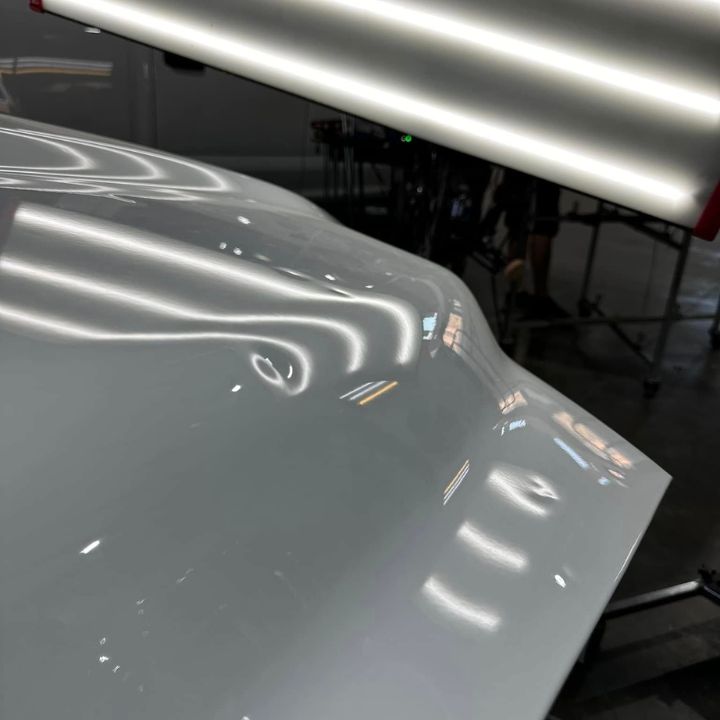
- R — Ready surface: Address dents, rust, and paint defects before wrapping; document existing paint condition.
- A — Appropriate material: Choose cast vs. calendared vinyl and finish based on vehicle geometry and exposure.
- P — Protective aftercare: Learn maintenance steps, curing time, and inspect seams after installation.
Step-by-step: what to expect during installation
1. Inspection and prep
Panels are cleaned with grease-cutting agents and, where needed, surface imperfections are fixed. Small parts (badges, trim) are removed to reduce seams.
2. Template and film application
Installer cuts and fits the film, heating and stretching on curves. Edges are tucked or sealed to prevent lifting.
3. Finishing and quality check
Trims are replaced, seams inspected, and photos taken for warranty records. The vehicle should avoid power washing at high pressure for the first week.
Real-world example: a compact hatchback colour transformation
A compact hatchback with mild paint oxidation was wrapped in a satin pearl cast vinyl. Pre-strip and surface correction took one day, full-wrap installation two days, and final inspection half a day. The total cost was lower than a comparable two-stage respray and the owner kept the original paint protected underneath, simplifying future resale options.
Practical tips for choosing a wrap and installer
- Request before-and-after photos of complete vehicles, not just small panels.
- Compare warranties: manufacturer-backed vinyl vs. installer labor warranty.
- Confirm color-match policies for repairs — specialty films may be discontinued.
- Ask about surface prep procedures; thorough prep reduces bubbling and lifting later.
- Plan for downtime: expect 2–5 days for typical full wraps, longer for custom graphics.
Trade-offs and common mistakes when choosing a colour change solution
Trade-offs
Vinyl wraps are reversible and often less costly than a premium respray, but they can chip at edges and may need replacement after 5–10 years depending on exposure and quality. Paint offers permanent coverage and can be more durable against abrasion, but repainting is more expensive and removes original factory paint.
Common mistakes
- Skipping surface correction: wraps applied over rust or large dents will hide issues but not fix them, and adhesion will suffer.
- Choosing the cheapest film or installer without references; visible seams and peeling are frequent outcomes of poor workmanship.
- Neglecting maintenance: abrasive cleaning and automatic car washes with stiff brushes shorten wrap life.
Core cluster questions
- How long do colour change car wraps typically last?
- What is the difference between cast and calendared vinyl for vehicle wraps?
- Can a colour change wrap be removed without damaging original paint?
- How much does a full-vehicle colour change wrap cost by vehicle size?
- What maintenance is required to keep a vinyl wrap looking new?
FAQ
Are colour change car wraps reversible and legal?
Yes—colour change car wraps are reversible when removed properly, and in most jurisdictions they are legal. Some areas may require notification to vehicle registration authorities about a visible color change; consult local transport regulations for compliance.
How long do vehicle wrap color change installations take?
Most full-vehicle installations take 2–5 days, depending on prep, complexity, and curing time. Partial wraps or decals can be completed in a single day.
Does color change vinyl wrap installation damage factory paint?
Proper installation and removal normally do not damage factory paint if the original surface is sound and adhesives are applied correctly. Existing paint defects or improper removal can cause damage.
Can a wrap be repaired if it is scratched or torn?
Small scratches can sometimes be repaired with patching or by replacing the affected panel’s film. For complex effects or color-shift films, matching can be difficult; discuss repair policies with the installer before work begins.
What maintenance keeps a colour change wrap looking its best?
Hand-washing with a mild detergent, avoiding high-pressure jets at close range, and parking out of prolonged direct sunlight extend wrap life. Use products approved for vinyl care and follow manufacturer maintenance recommendations.
For further guidance on vehicle modification safety and disclosure, see resources from transportation authorities such as the NHTSA (external resource).