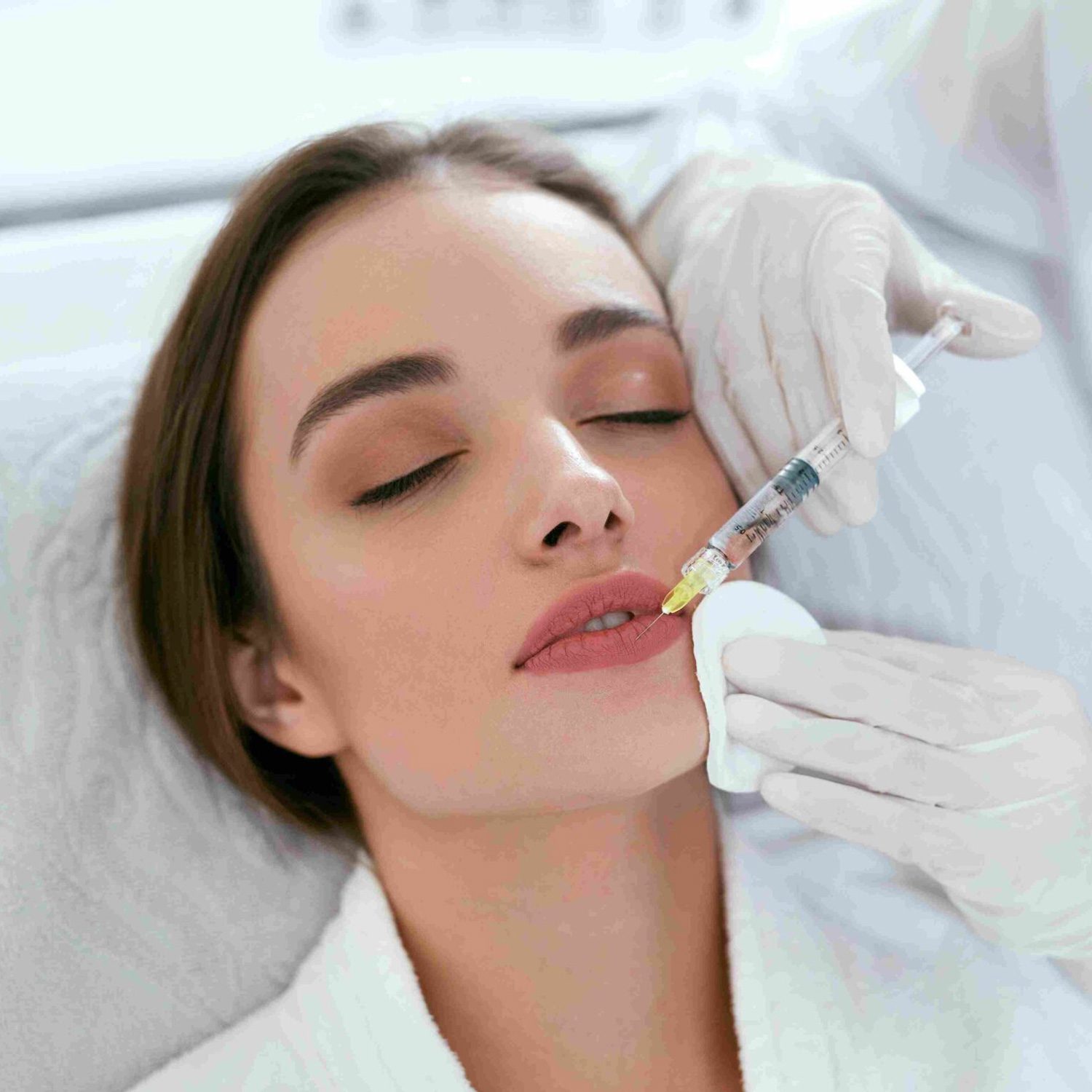
How to Find a Trusted Beverly Hills Cosmetic Surgeon for Natural, Subtle Enhancements
-
- March 07th, 2026
- 294 views

👉 Best IPTV Services 2026 – 10,000+ Channels, 4K Quality – Start Free Trial Now
Choosing a trusted Beverly Hills cosmetic surgeon for subtle enhancements requires clear criteria, practical checks, and realistic expectations. This guide explains what to verify during research and consultation, how to assess results that look natural, and which safety and credential signals matter most.
- Verify board certification and hospital privileges.
- Use the CLEAR Consultation Checklist before committing.
- Seek subtle facial rejuvenation and natural-looking cosmetic surgery results through conservative plans and staged treatments.
trusted Beverly Hills cosmetic surgeon for subtle enhancements: key criteria
Start by confirming the surgeon's credentials, patient safety record, and portfolio of subtle results. A trusted Beverly Hills cosmetic surgeon for subtle enhancements should combine board certification, consistent before-and-after photos showing natural-looking changes, transparent cost and recovery expectations, and clear communication about risks and alternatives.
What to check: credentials, safety, and outcomes
Board certification and professional affiliations
Confirm certification by the American Board of Plastic Surgery or the American Board of Facial Plastic and Reconstructive Surgery as applicable. Also verify hospital privileges and malpractice history. Official organizations set minimum training and safety standards that reduce risk.
Portfolio review: subtle facial rejuvenation examples
Ask to see multiple before-and-after images of patients with similar starting points. Focus on cases where changes are conservative—improved contour, smoother skin, or modest volume restoration—rather than dramatic transformations. Consistency matters more than a single standout photo.
Safety protocols and facility standards
Confirm that procedures are performed in accredited surgical facilities and that the practice follows current perioperative safety protocols. For factual guidance on patient safety and board-certified standards, refer to the American Society of Plastic Surgeons resource on patient safety (ASPS patient safety).
Framework: the CLEAR Consultation Checklist
Use the CLEAR checklist at every consultation to ensure consistent evaluation.
- Credentials: Board certification, hospital privileges, and subspecialty training.
- Look: Review 10–20 before-and-after photos for consistency in subtle results.
- Expectations: Ask for a realistic outcome range and complications rate.
- Alternatives: Discuss non-surgical options and staged approaches to limit risk.
- Recovery: Get a written recovery plan, timelines, and follow-up schedule.
Practical example: a real-world scenario
A 45-year-old patient seeks a refreshed, rested look without obvious surgery. The surgeon recommends a staged plan: conservative blepharoplasty to remove excess upper eyelid skin, micro-fat grafting to restore slight hollows, and targeted neuromodulator injections to soften dynamic lines. A preoperative mock-up and a 3-month follow-up photo confirm subtle improvement. The staged approach allowed assessment and adjustment, minimizing overt change while meeting the patient's goal.
Practical tips for choosing and preparing
- Bring photos of desired but realistic results to each consultation; ask how similar cases were handled.
- Request a written estimate that separates surgeon, facility, anesthesia, and follow-up costs.
- Check online reviews for consistency about communication, follow-up care, and recovery honesty (not just ratings).
- Allow time between consultations—avoid last-minute decisions; an informed wait reduces regret.
Trade-offs and common mistakes
Trade-offs to consider
Subtle enhancements often require patience: smaller-volume treatments and staged procedures can yield more natural outcomes but may cost more cumulatively. Non-surgical options (fillers, lasers) offer less downtime but typically require ongoing maintenance. More aggressive surgical options can deliver dramatic results in one procedure but increase the risk of an unnatural look if overdone.
Common mistakes
- Choosing a surgeon based mainly on price or celebrity proximity rather than demonstrated conservative outcomes.
- Relying on a single before-and-after photo instead of a portfolio showing consistent results.
- Neglecting to verify where the procedure will be performed—office, ambulatory center, or hospital—and whether that facility is accredited.
Core cluster questions
- How to verify a surgeon's board certification and hospital privileges?
- What are realistic recovery timelines for common subtle facial procedures?
- When are non-surgical options a better choice than surgery?
- How to evaluate before-and-after photos for authenticity and consistency?
- What questions should be asked during a cosmetic surgery consultation?
Red flags to watch for
Beware of guarantees of specific results, pressure to proceed immediately, lack of written consent or recovery instructions, or a portfolio showing only extreme transformations. Also be cautious if the practice cannot provide clear answers about emergency protocols or post-operative follow-up.
Next steps: research and decision checklist
- Confirm board certification and privileges.
- Review multiple patient photos and request contacts if available for testimonials.
- Compare several consultations using the CLEAR checklist.
- Obtain written estimates and an agreed recovery plan.
FAQ
How to verify a trusted Beverly Hills cosmetic surgeon for subtle enhancements?
Verify board certification, hospital privileges, an accredited facility, a portfolio of conservative results, and transparent pre- and post-operative instructions. Ask for specific examples of patients with similar goals and look for consistent feedback on follow-up care.
What is subtle facial rejuvenation and how does it differ from more extensive procedures?
Subtle facial rejuvenation focuses on modest, natural-looking improvements—smoothing lines, restoring small amounts of volume, or refining contours—rather than dramatic lifting or major structural change. Often involves staged or combined minimally invasive treatments.
Are non-surgical treatments a safe way to achieve natural-looking cosmetic surgery results?
Non-surgical treatments like fillers, neurotoxins, and lasers can produce natural-looking improvements with less downtime but require maintenance. Safety depends on provider skill, proper product selection, and correct injection technique.
How important are follow-up visits after subtle cosmetic procedures?
Follow-up visits are essential to monitor healing, manage complications early, and assess whether additional minor adjustments are needed to maintain a natural outcome. A clear follow-up schedule is a hallmark of quality care.
What are reasonable expectations for recovery time and results?
Recovery depends on the procedure: minimally invasive treatments may have days of downtime, while small surgical interventions can require one to three weeks for most visible healing. Discuss expected bruising, swelling, and time to final results during consultation.