Ultra-low Temperature Freezer Market Manufacturing Trends
-

- August 21st, 2026
- 3,712 views
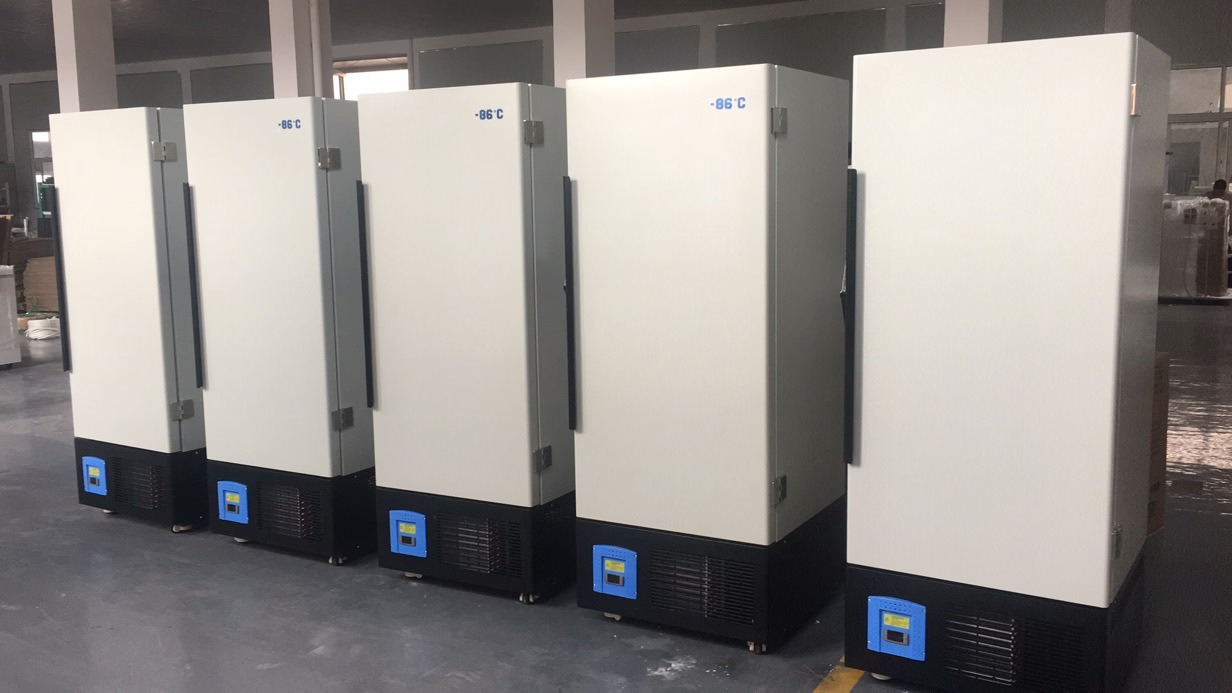
Ultra-low Temperature Freezer Market Manufacturing Trends: Advancing Production Efficiency and Healthcare Cold Storage Innovation
Introduction
The Ultra-low Temperature Freezer Market Manufacturing Trends highlight the evolving production strategies, technological improvements, and operational advancements shaping the manufacturing landscape of ultra-low temperature (ULT) freezer systems. These specialized storage devices maintain temperatures between -40°C and -86°C and are essential for preserving vaccines, biological specimens, blood products, DNA, RNA, stem cells, tissues, enzymes, and other temperature-sensitive healthcare materials.

Ultra-low Temperature Freezer Market manufacturing is becoming increasingly advanced as companies focus on improving production efficiency, adopting sustainable manufacturing practices, enhancing product quality, and developing innovative refrigeration technologies. Growing demand from pharmaceutical companies, biotechnology organizations, hospitals, and research laboratories is encouraging manufacturers to modernize their production processes and strengthen supply capabilities.
Adoption of Advanced Manufacturing Technologies
Manufacturers are increasingly adopting advanced production technologies to improve efficiency, accuracy, and product reliability.
Key manufacturing advancements include:
- Automated production systems
- Precision engineering technologies
- Computer-aided manufacturing
- Digital quality monitoring
- Advanced testing equipment
These technologies help manufacturers maintain consistent product quality while improving production speed.
Increasing Use of Automation in Manufacturing
Automation is becoming an important trend in ultra-low temperature freezer manufacturing as companies aim to reduce production errors and improve operational efficiency.
Manufacturing automation includes:
- Robotic assembly processes
- Automated component testing
- Digital production monitoring
- Automated quality inspections
- Smart manufacturing systems
Automation enables manufacturers to achieve higher productivity while maintaining strict quality standards.
Focus on Energy-Efficient Manufacturing
Manufacturers are prioritizing energy-efficient designs during the production process to meet sustainability goals and customer expectations.
Energy-focused manufacturing trends include:
- Development of efficient compressors
- Improved insulation materials
- Low-energy cooling technologies
- Eco-friendly refrigeration systems
- Reduced material waste
These approaches support the creation of sustainable freezer solutions for healthcare applications.
Development of Sustainable Manufacturing Practices
Environmental responsibility is becoming a major focus within freezer manufacturing operations.
Sustainable manufacturing initiatives include:
- Reduced carbon emissions
- Environmentally responsible materials
- Recycling programs
- Efficient resource utilization
- Sustainable supply chain practices
These efforts help manufacturers align with global environmental standards.
Improvement in Quality Control Processes
Quality assurance plays a critical role in ultra-low temperature freezer manufacturing due to the importance of sample protection.
Modern quality control practices include:
- Temperature performance testing
- Reliability assessments
- Safety evaluations
- Component inspections
- Regulatory compliance checks
Strict quality processes ensure that freezer systems deliver consistent performance in healthcare environments.
Innovation in Refrigeration Component Manufacturing
Manufacturers are investing in advanced refrigeration components to improve freezer performance and durability.
Component innovations include:
- High-efficiency compressors
- Advanced cooling systems
- Improved refrigerants
- Enhanced thermal insulation
- Durable storage materials
These improvements contribute to better temperature stability and longer equipment life.
Expansion of Smart Manufacturing Systems
Smart manufacturing technologies are transforming production facilities by enabling data-driven decision-making.
Smart manufacturing features include:
- Real-time production monitoring
- Predictive equipment maintenance
- Digital manufacturing records
- Automated workflow management
- Performance analytics
These systems improve manufacturing efficiency and reduce operational disruptions.
Strengthening Supply Chain Manufacturing Capabilities
Manufacturers are improving supply chain strategies to ensure reliable production and product availability.
Supply chain improvements include:
- Diversified component sourcing
- Regional manufacturing facilities
- Supplier partnerships
- Inventory optimization
- Local production capabilities
These strategies help reduce supply risks and improve delivery efficiency.
Customization in Manufacturing Processes
Healthcare organizations have diverse storage requirements, encouraging manufacturers to develop customized freezer solutions.
Customization trends include:
- Different storage capacities
- Specialized monitoring systems
- Customized configurations
- Application-specific designs
- Integrated digital features
Flexible manufacturing enables companies to serve different customer segments effectively.
Regional Manufacturing Expansion
Manufacturers are expanding production capabilities across different regions to support growing global demand.
Regional manufacturing trends include:
- New production facilities
- Local assembly operations
- Regional service centers
- Market-specific product development
This expansion helps companies improve market access and customer support.
Future Manufacturing Trends
Future developments in ultra-low temperature freezer manufacturing are expected to focus on:
- Artificial intelligence-enabled production
- Fully automated factories
- Sustainable manufacturing systems
- Advanced material technologies
- Digital twin manufacturing
- Smart quality control systems
These trends will continue improving production efficiency and product innovation.
Conclusion
The Ultra-low Temperature Freezer Market Manufacturing Trends demonstrate the industry's transition toward advanced, automated, and sustainable production methods. Manufacturers are adopting smart manufacturing technologies, improving quality control processes, developing energy-efficient components, and strengthening supply chain capabilities to meet growing healthcare and pharmaceutical demands. As the need for reliable biological preservation continues increasing, advanced manufacturing practices will play a crucial role in shaping the future of ultra-low temperature freezer solutions.
Short Summary
The Ultra-low Temperature Freezer Market Manufacturing Trends include automation, sustainable production, smart manufacturing systems, advanced refrigeration components, quality control improvements, and supply chain optimization.
Learn More:- https://www.pristinemarketinsights.com/ultra-low-temperature-freezer-market-report