Raw Milk in Houston: Safety, Regulations, and What Consumers Should Know
-

- Published Updated
- 1,622 views
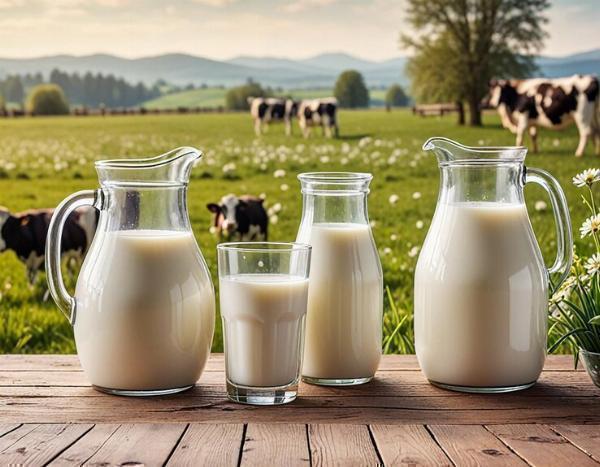
Raw milk in Houston is a topic of interest for some consumers who seek unpasteurized dairy for taste or perceived health reasons. This article summarizes what raw milk is, the potential health risks, how state and local regulations affect availability in Texas, and practical considerations for people evaluating sources.
Raw milk in Houston: Safety, regulations, and what consumers should know
What is raw milk?
Raw milk refers to milk from cows, goats, or other mammals that has not undergone pasteurization, a heat treatment intended to kill pathogenic microorganisms. Unpasteurized dairy may be sold as whole milk, cream, or products made from unpasteurized milk.
Health risks associated with raw milk
Public health agencies report that raw milk can carry harmful bacteria and parasites. Common pathogens associated with unpasteurized dairy include Salmonella, Shiga toxin-producing Escherichia coli (E. coli), Campylobacter, and Listeria monocytogenes. Infections can range from mild gastrointestinal illness to severe outcomes such as kidney failure or invasive disease in vulnerable populations.
Who is at higher risk?
Health authorities identify specific groups at increased risk of serious illness from raw milk: young children, pregnant people, older adults, and people with compromised immune systems. Because of these risks, many regulators and medical organizations advise that these groups avoid raw milk products.
State and local rules that affect raw milk in Houston
Regulatory overview
Federal and state agencies regulate milk safety and dairy processing. In the United States, pasteurization standards and interstate commerce rules are overseen at the federal level, while states set many specifics for intrastate sales, permitting, labeling, and inspection. Local public health departments in the Houston area may also have guidance or enforcement responsibilities.
Texas context
Texas has statutes and administrative rules that govern dairy production and sales; these address licensing, permitting, and sanitary standards for dairy farms and processors. Consumers seeking up-to-date details should consult state statutes and the Texas Department of State Health Services for official information about legal requirements and consumer protections.
How to evaluate sources if considering raw milk
Questions to ask vendors
- Is the milk produced on-site or obtained from a licensed dairy?
- Are records available for herd health, pasteurization choices, and pathogen testing?
- Is labeling clear about the milk being unpasteurized and about storage recommendations?
On-farm practices and testing
Best practices on farms may include regular veterinary care, herd testing for specific infections, hygienic milking procedures, proper refrigeration, and clear traceability. Even with rigorous on-farm procedures, testing and management reduce but do not eliminate the risk of contamination.
Public health guidance and scientific evidence
Official recommendations
Public health agencies in the U.S. consistently advise caution regarding raw milk. For consolidated, evidence-based answers and frequently updated guidance about health risks and outbreaks linked to unpasteurized milk, see the Centers for Disease Control and Prevention resource on raw milk and dairy products: CDC - Raw milk questions and answers.
Research and outbreak data
Peer-reviewed studies and outbreak reports in academic journals and public health surveillance systems document instances where consumption of raw milk led to illness. Outbreak investigations often identify supply chain steps, herd infections, or handling lapses that contributed to contamination.
Practical considerations for consumers in Houston
Labeling and storage
Unpasteurized milk should be clearly labeled if sold. Storage at appropriate refrigeration temperatures and prompt consumption are important for minimizing microbial growth. Safe handling practices—clean containers, rapid chilling, and avoiding cross-contamination—apply to all dairy.
Alternatives and pasteurization
Pasteurized milk offers a widely accepted balance of safety and nutritional value and is the standard recommended by many health organizations. For those seeking specific flavor profiles or artisanal qualities, pasteurized dairy products from small-scale producers may offer similar sensory characteristics without the added infectious risk.
When to contact a health professional
If illness is suspected after consuming dairy products, contact a healthcare provider or local public health department promptly. Public health authorities track and investigate clusters of foodborne illness to identify sources and reduce risk to the community.
FAQ
Is raw milk in Houston legal to buy?
State and local rules determine how raw milk may be sold; regulations can cover licensing, labeling, and direct farm sales. For current legal details, consult the Texas Department of State Health Services and local county authorities. This article does not provide legal advice.
What infections are most commonly linked to raw milk?
Common pathogens associated with unpasteurized dairy include Salmonella, Shiga toxin-producing E. coli, Campylobacter, and Listeria. Infection severity can vary by pathogen and individual health status.
Can testing guarantee that raw milk is safe?
Testing can detect contamination at the time of sampling but cannot guarantee future safety because contamination can be intermittent. Regular monitoring, good herd health, and sanitary practices reduce risk but do not eliminate it entirely.
Where can consumers find official guidance?
Consumers can consult public health agencies such as the Centers for Disease Control and Prevention and state health departments for up-to-date guidance, outbreak reports, and educational resources about raw milk and food safety.