HydraFacial Stages Explained: What to Expect at Each Step of Treatment
-

- March 21st, 2026
- 666 views
HydraFacial stages describe the sequence of steps used in a multi-stage, device-assisted facial that cleanses, exfoliates, extracts, and infuses skin with serums. This guide explains each HydraFacial stage in clear terms, what to expect during a session, and how to choose add-ons or aftercare so results last longer.
Detected intent: Informational
- HydraFacial stages typically follow a 3–5 step process: Cleanse & Peel, Extract & Hydrate, Fuse & Protect, plus optional Boosters and LED.
- Sessions are low-downtime and suitable for many skin types, but talk with a licensed provider for sensitive or medically complex skin.
- Follow a simple HYDRA checklist to prepare: Hydration, Yield (expectations), Disclose (medical history), Review home care, Aftercare plan.
HydraFacial stages: the standard step-by-step breakdown
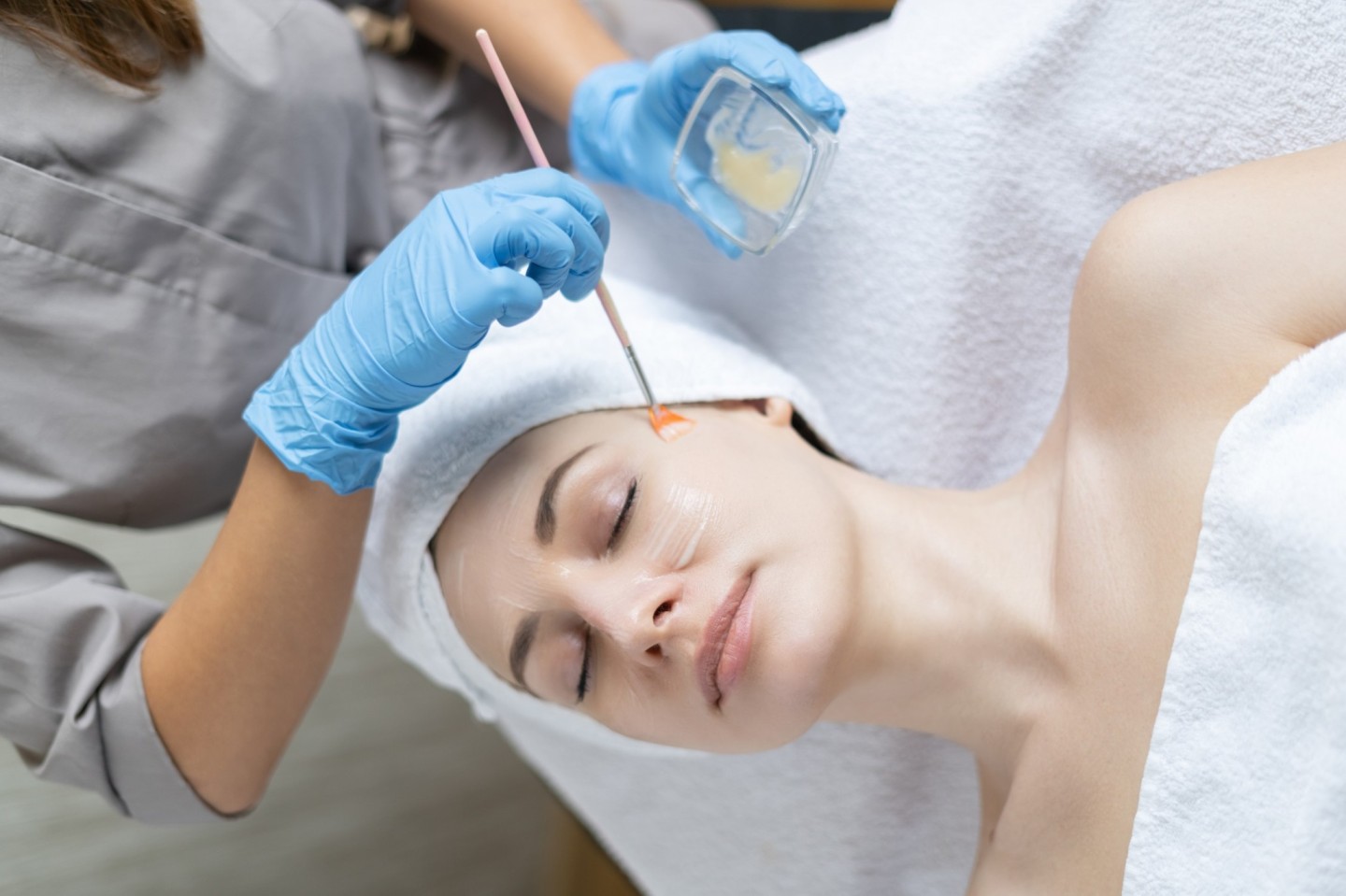
The term HydraFacial stages refers to the standard phases of a HydraFacial treatment. Although providers may adjust protocol, most sessions use the same core sequence: cleanse and exfoliate, perform painless vortex-assisted extraction, infuse hydrating serums, and finish with protective antioxidants and SPF. Optional boosters and LED light therapy are frequently layered on top of these stages.
Stage 1 — Cleanse and Peel (exfoliation)
This initial stage removes surface oil, debris, and dead skin cells. A gentle, machine-assisted exfoliation—often described as a vortex-suction tip combined with a glycolic or salicylic acid–based solution—prepares pores for extraction and serum penetration. Expect a clean, fresh sensation; redness is usually minimal and short-lived.
Stage 2 — Extract and Hydrate (vortex extraction)
Vortex suction clears clogged pores and removes blackheads and sebum without manual squeezing. Immediately afterward, the device infuses hydrating serums (hyaluronic acid, peptides) to restore moisture. This stage is a key difference between HydraFacial and older treatments like manual extractions or microdermabrasion.
Stage 3 — Fuse and Protect (serum infusion)
Antioxidants and peptides are delivered to calm inflammation, protect against free radicals, and support collagen. A protective SPF or barrier serum is often applied as the final step. Some providers describe this as the stage that locks in results and speeds recovery.
Optional stages — Boosters and LED light therapy
Custom boosters target concerns such as hyperpigmentation, acne, or fine lines by adding concentrated serums during or after core stages. LED light therapy (blue for acne, red for collagen signaling) is a non-invasive add-on used by many clinics. These optional stages increase personalization but also cost.
Who benefits from each HydraFacial stage?
Different stages serve different skin goals. The cleanse and peel stage is ideal for surface texture and mild discoloration. Extraction plus hydration helps oily or congested skin. The fuse and protect stage benefits aging or UV-damaged skin by supplying antioxidants and peptides. Discuss medical history and medications with a licensed esthetician or dermatologist before treatment.
Named checklist: the HYDRA Checklist
Use the HYDRA Checklist before and after treatment to set expectations and improve outcomes:
- Hydration — Drink water 24 hours before appointment and moisturize as recommended.
- Yield expectations — Understand realistic results: immediate glow, gradual improvement with sessions.
- Disclose — Tell the provider about retinoids, isotretinoin, rosacea, or recent procedures.
- Review home care — Plan a gentle skincare routine (no harsh acids for 48–72 hours).
- Aftercare — Use sunscreen daily and avoid picking or abrasive treatments for a week.
What to expect during and after a HydraFacial
Sessions usually last 30–60 minutes. Most people experience immediate brightness and hydration with little to no downtime. Mild redness or sensitivity can occur for a few hours. Results vary depending on skin condition and whether boosters or LED therapy are used; many clients schedule monthly treatments for maintenance.
Real-world scenario
An office-worker with combination skin seeks improvement in blackheads and a dull complexion. After a single session focused on extraction and hydration plus a brightening booster, the skin appears clearer and less congested. With two more sessions spaced four weeks apart plus a daily SPF and vitamin C serum, pore appearance and skin tone improved noticeably over three months.
Practical tips (3–5 actionable points)
- Schedule treatments when no major events require a dramatic change in skin tone; slight redness can persist for a few hours.
- Stop harsh exfoliants (retinoids, strong AHA/BHAs) 48–72 hours before a session to reduce irritation risk.
- Ask the provider to explain any booster ingredients and why a specific booster is recommended for the target concern.
- Use a broad-spectrum SPF 30+ daily after treatment; antioxidants and sunscreen extend visible benefits.
Common mistakes and trade-offs
Common mistakes include treating active inflammatory acne with aggressive extraction—this can worsen inflammation. Overuse of add-on boosters increases cost without guaranteed extra benefits; prioritize boosters that address the main concern (e.g., hydration for dry skin, salicylic-based solutions for oily skin). Choosing a provider solely on price can risk improper technique—select a licensed clinician with device training.
Safety, regulation, and who should consult a physician
HydraFacial devices are medical-grade tools used in aesthetic clinics. People with active severe acne, open wounds, healing skin after laser, or recent chemical peels should consult a dermatologist or the American Academy of Dermatology for personalized advice. For general procedural safety and skin disorder guidance, refer to an authoritative resource such as the American Academy of Dermatology: https://www.aad.org.
Core cluster questions for internal linking and related content
- How long do HydraFacial results last?
- Is HydraFacial safe for acne-prone skin?
- How does HydraFacial compare to microdermabrasion?
- Can HydraFacial remove blackheads effectively?
- How often should one get a HydraFacial for maintenance?
Cost, frequency, and realistic outcomes
Costs vary by geography, provider, and add-ons. Expect a single session to deliver an immediate glow; progressive improvement in texture, tone, and pore appearance is typical with 3–6 sessions spaced monthly. Maintenance can be once every 4–8 weeks depending on skin goals and budget.
Final checklist before booking
- Confirm provider credentials and device training.
- Review full ingredient list for boosters to avoid allergens.
- Plan follow-up products—gentle cleanser, moisturizer, SPF, and any recommended serums.
Frequently Asked Questions
What are the HydraFacial stages?
The HydraFacial stages commonly include cleanse & peel, extract & hydrate, and fuse & protect, with optional boosters and LED therapy for customization. Each stage targets a specific function: surface renewal, pore clearing, and serum infusion.
How long does a typical HydraFacial session take?
Most sessions last 30–60 minutes depending on add-ons like boosters or LED therapy. Consult the clinic for exact timing based on chosen protocol.
Is HydraFacial painful or does it require downtime?
HydraFacial is generally comfortable with minimal downtime. Some people experience mild redness that subsides within hours. Avoid harsh treatments for several days after to maintain comfort.
Can HydraFacial help with acne and blackheads?
HydraFacial vortex extraction can reduce blackheads and congestion; specific solutions or boosters for acne-prone skin can help control oil and bacterial load, but active inflammatory acne may require medical dermatologic treatment first.
How to choose between HydraFacial and other facials?
HydraFacial is device-assisted and often more reproducible than manual facials. Choose based on goals: extraction and hydration favor HydraFacial; deeper resurfacing may require chemical peels or lasers under a dermatologist’s guidance.