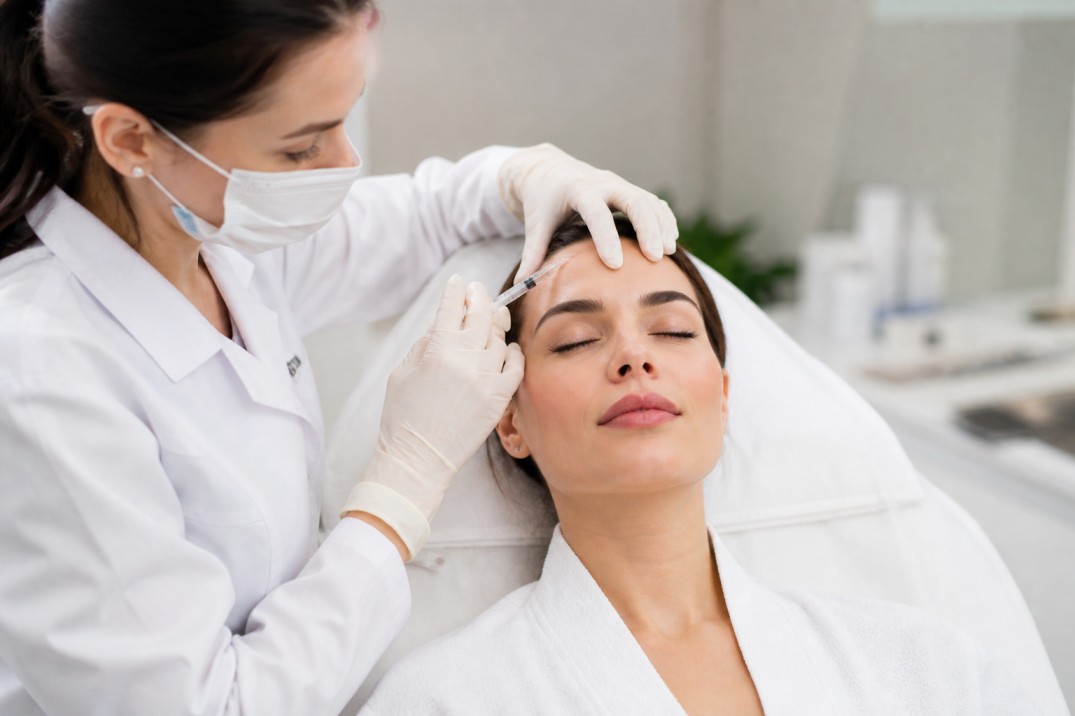
Neutro Skin Injections: Which Skin Types See the Best Results
-
- April 08th, 2026
- 432 views

Get a free topical map and start building content authority today.
Neutro skin injections are a non-surgical treatment increasingly used to improve hydration, texture, and glow. Understanding who benefits most requires matching treatment goals to skin biology, medical history, and the Fitzpatrick skin phototype. This guide explains which skin types are most likely to see positive results from Neutro skin injections, practical assessment steps, and how to avoid common mistakes.
- Neutro skin injections tend to help dry, mature, and uneven-textured skin most; effectiveness varies by Fitzpatrick phototype and specific concerns.
- Use the NEUTRO Assessment Checklist before treatment to screen risks and set realistic expectations.
- Common mistakes include skipping skin-type assessment, ignoring contraindications, and expecting immediate dramatic changes.
Detected intent: Informational
Neutro skin injections: who benefits most
The best candidates for Neutro skin injections are those whose concerns align with the mechanism of the injection—usually improved hydration, surface smoothness, and subtle tissue support. Ideal skin types often include dry or combination skin with early-to-moderate photoaging, thin or dehydrated skin, and skin showing textural irregularities rather than deep volume loss. Understanding how different skin types react helps set realistic expectations and reduces risk.
How skin type affects outcomes
Skin reacts differently to injectables depending on structural and pigment-based factors. Several frameworks and classifications help make clinical decisions:
Fitzpatrick skin phototype and pigmentation risk
The Fitzpatrick scale (types I–VI) predicts pigmentary responses and risk of post-procedure hyperpigmentation or hypopigmentation. People with higher Fitzpatrick types (IV–VI) may have a greater risk of pigment changes after any skin procedure, so pre- and post-treatment sun protection and careful technique matter.
Structural skin differences: thickness, elasticity, and oiliness
Thicker, oilier skin can mask superficial improvements; thin or atrophic skin often shows more visible benefit from hydrating and scaffold-support injections. Assessing baseline elasticity, collagen loss, and sebum production clarifies likely outcomes.
NEUTRO Assessment Checklist (practical framework)
- N — Need: Define the primary goal (hydration, texture, fine lines, or lifting).
- E — Evaluate: Check Fitzpatrick phototype, skin thickness, scarring history, and active acne or infection.
- U — Understand: Explain expected timeline, number of sessions, and maintenance.
- T — Test: Consider patch testing or conservative initial dosing for high-risk pigment types.
- R — Review medications: Screen anticoagulants, isotretinoin history, and pregnancy/breastfeeding.
- O — Observe: Set objective photos and follow-up schedule to measure response and complications.
Typical candidates and examples
Common groups that commonly benefit:
- Adults with dry, desiccated skin seeking improved hydration and glow.
- People with early photodamage—fine superficial lines and rough texture rather than deep folds.
- Patients with thin, atrophic skin after weight loss or aging who need subtle scaffold support.
Real-world scenario
A 48-year-old with Fitzpatrick III skin reports dullness, fine lines around the mouth, and dry cheeks. After the NEUTRO Assessment Checklist confirms no contraindications, a course of two Neutro skin injection sessions spaced four weeks apart is planned. Photos and topical sun protection were documented. At 8 weeks the patient reports smoother texture and improved skin tone without pigment changes—an outcome typical for this profile.
Best skin type for Neutro injections — trade-offs and common mistakes
There is no single "best" skin type; benefits and risks vary. Dry, thin skin often shows the clearest improvement in texture and hydration, whereas very oily skin may see subtler surface changes.
Trade-offs
- Dry/thin skin: higher visible benefit but may need multiple sessions. Slight risk of bruising or temporary swelling.
- Oily/thick skin: lower immediate visible change; may require adjunctive resurfacing for texture goals.
- Higher Fitzpatrick types: effective results possible, but pigment risk requires conservative approach and strict sun protection.
Common mistakes
- Skipping a full skin-type and medication review before treatment.
- Overpromising dramatic, immediate results—most improvements are gradual over weeks.
- Failing to follow post-treatment sun protection and topical care, increasing pigment risk.
Practical tips for better outcomes
- Use the NEUTRO Assessment Checklist at the first visit and before each session.
- Document Fitzpatrick phototype and take standardized photos to track subtle changes.
- Start with conservative dosing for darker phototypes and consider a test area when uncertain.
- Combine injections with a tailored topical regimen (retinoids, sunscreen, moisturizers) for longer-lasting results.
- Schedule follow-up at 4–8 weeks to evaluate response and plan maintenance.
For general guidance on skin types and sun protection, refer to the American Academy of Dermatology for accessible, evidence-based recommendations: https://www.aad.org.
When not to use Neutro skin injections
Contraindications include active infection in the treatment area, pregnancy or breastfeeding (depending on product labeling), recent isotretinoin use in the past 6–12 months (assess according to current clinical standards), and certain autoimmune or bleeding disorders. Always follow product-specific safety data and established clinical guidelines.
Core cluster questions
- Which skin types respond best to hydrating injections?
- How does Fitzpatrick phototype affect injection risk and aftercare?
- What pre-treatment screening is essential for injectable skin therapies?
- How many sessions of Neutro injections are typically needed for visible results?
- What complementary treatments improve outcomes after skin injections?
FAQ
Who can benefit most from Neutro skin injections?
Individuals with dry, thin, or early photodamaged skin generally see the most noticeable benefits—improved hydration, smoother texture, and subtle rejuvenation. Proper assessment of Fitzpatrick phototype and medical history is essential to minimize pigment and healing risks.
Are there specific skin types that shouldn't get Neutro injections?
Active infection, uncontrolled skin conditions (like severe acne in the treatment area), recent systemic isotretinoin use, pregnancy, and certain medical conditions may preclude treatment. Higher Fitzpatrick types require careful technique and sun-protection counseling to reduce pigmentary complications.
How does Fitzpatrick skin phototype influence results and risk?
Higher Fitzpatrick phototypes (IV–VI) have an increased risk of post-procedure hyperpigmentation. Conservative dosing, test patches, and strict sun protection reduce this risk while still allowing benefits.
What is the expected timeline for results from Neutro skin injections?
Most improvements appear gradually over 2–8 weeks and may require a series of sessions (commonly 1–3) with periodic maintenance. Immediate swelling or bruising can obscure final results for several days.
How should post-injection care differ by skin type?
All patients should use sunscreen and gentle skincare after injections. For higher Fitzpatrick types, add strict sun avoidance for the first 2 weeks and consider topical pigmentation-preventing agents if recommended by a clinician.