Complete 2025 Guide to Muscle Building Supplements: Safe Choices and Alternatives
-
- March 03rd, 2026
- 355 views

Get a free topical map and start building content authority today.
Introduction
Choosing the right muscle building supplements can accelerate strength gains, improve recovery, and help reach body-composition goals more efficiently. This guide covers evidence-backed categories, safety considerations, and practical ways to evaluate options in 2025 so that fitness goals align with health priorities. The primary focus is on muscle building supplements that are legal, safe, and supported by research.
- Core effective supplements: protein, creatine, targeted amino acids, and evidence-based ergogenic aids.
- Safety first: check purity, third-party testing, and regulatory status.
- Legal steroid alternatives exist but require scrutiny for ingredients and claims.
- Use the STEP framework to evaluate supplements: Source, Target, Evidence, Plan.
muscle building supplements: what to know in 2025
Supplement options continue to expand, but a few categories remain the most reliable for strength and hypertrophy. Core options include protein powders and whole-food protein, creatine monohydrate, beta-alanine for high-intensity work, targeted amino acids like leucine or HMB, and certain caffeine or nitrate-based products for performance. Emerging botanicals and ‘legal steroid alternatives’ are marketed aggressively; these require independent verification of ingredients and claims before use.
How supplements help
Supplements complement diet and training by addressing gaps (for example, inadequate daily protein), improving workout capacity, or supporting recovery. They are not substitutes for progressive overload, adequate sleep, and a calorie/protein plan designed for muscle gain.
The STEP framework: a checklist to evaluate any supplement
Use the STEP framework before buying or using a product.
- Source — Who manufactures it? Is there third-party testing (e.g., NSF, Informed-Sport)?
- Target — What specific goal does it address (strength, recovery, endurance)?
- Evidence — Are there peer-reviewed studies or recognized clinical data supporting the ingredient and dose?
- Plan — How does it fit into diet, training, and a medical profile (medications, conditions)?
Types of supplements and when to use them
Protein sources
Whey, casein, and plant proteins fill dietary protein gaps and support muscle protein synthesis. Aim for 1.6–2.2 g/kg total daily protein depending on training status and goals; supplements make hitting targets practical.
Creatine monohydrate
Creatine remains one of the most-studied and effective supplements for strength and power. A typical protocol is 3–5 g daily; loading is optional. Check for Creapure or other reputable sources when possible.
Amino acids and recovery agents
Leucine, BCAAs, beta-alanine, and HMB each have roles—leucine for stimulating protein synthesis, beta-alanine for buffering high-intensity efforts, and HMB for attenuating muscle breakdown in certain contexts. Choose based on specific training needs.
Legal steroid alternatives and ergogenic blends
Products labeled as legal steroid alternatives often combine plant extracts, prohormone precursors, or synthetic analogues. These can produce strong marketing claims but vary widely in safety and evidence. Always inspect ingredient lists, check for banned substances if subject to testing, and prefer products with third-party laboratory verification.
Natural muscle gain supplements
‘Natural’ supplements—such as vitamin D for deficient individuals, omega-3s for inflammation control, or creatine—can support training indirectly. The term natural does not guarantee safety or efficacy; dose and context matter.
Practical example: applying the STEP framework
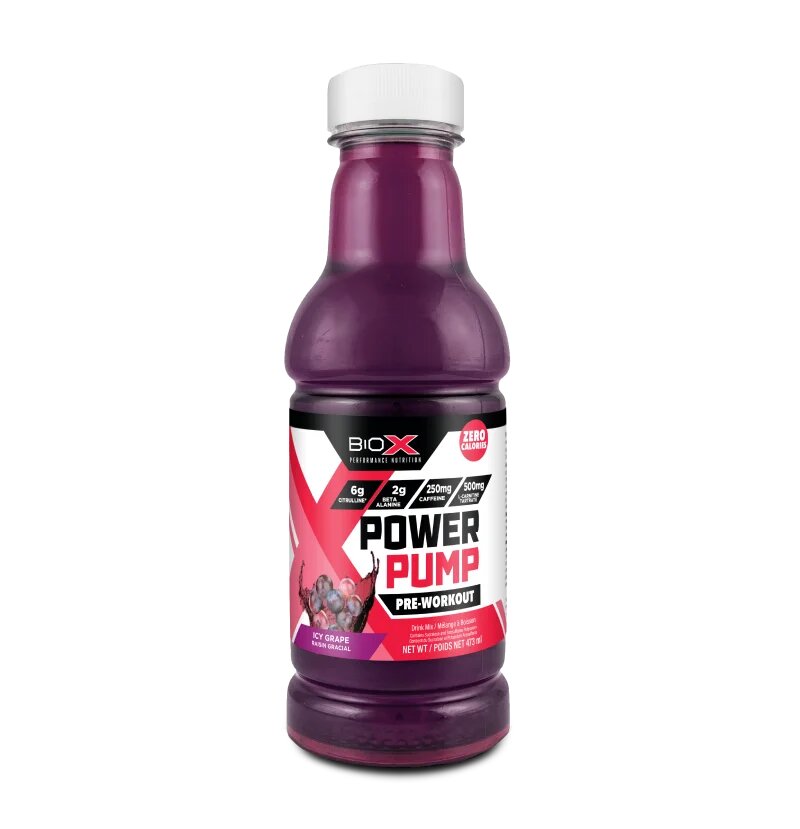
Scenario: A gym-goer wants to add a preworkout marketed as a strength enhancer. Using STEP:
- Source: Label shows third-party testing and a U.S.-based manufacturer.
- Target: Primary goal is maximal lifts; caffeine and nitrate content align with this goal.
- Evidence: Caffeine and nitrates have peer-reviewed support; proprietary blends with unknown dosages are a red flag.
- Plan: Start with a low dose to assess tolerance; avoid on non-training days if sensitivity is high.
Practical tips
- Prioritize diet first: supplements should fill gaps, not replace meals.
- Check for third-party testing seals and review Certificate of Analysis (CoA) when available.
- Start with single-ingredient products to evaluate effects and tolerance before combining into stacks.
- Keep a supplement log for dose, timing, and subjective effects to spot patterns and side effects.
- Consult a licensed healthcare provider when on medication, under medical conditions, or when considering strong hormonal agents.
Trade-offs and common mistakes
Trade-offs often revolve around potency versus safety. High-dose or multi-ingredient stacks can increase benefit but also raise the risk of adverse effects and interactions. Common mistakes include:
- Assuming marketing claims equal proof—many products lack well-controlled human trials.
- Using multiple stimulants at once, increasing heart rate and anxiety.
- Ignoring purity and contamination risks—important for competitive athletes who face banned-substance testing.
Safety, regulation, and testing
Dietary supplement regulation differs by region. In many countries, manufacturers are responsible for product safety but are not required to prove efficacy before sale. Independent verification (e.g., NSF Certified for Sport, Informed-Sport) reduces risk of contamination and mislabeling. For more on regulation and safety best practices, consult resources from the NIH Office of Dietary Supplements.
Core cluster questions
- Which muscle building supplements are best for beginners?
- How to evaluate legal steroid alternatives for safety?
- What dosing strategies maximize creatine benefits?
- Which supplements improve post-workout recovery most effectively?
- How to choose third-party tested supplements for competition?
Conclusion
In 2025, the most reliable approach to supplements remains evidence-driven selection, quality verification, and integration into a comprehensive training and nutrition plan. Use the STEP framework to evaluate products, prioritize core supplements like protein and creatine, and treat novel or potent blends with caution.
FAQ
Are muscle building supplements necessary to build strength?
No. Supplements are helpers, not essentials. Progressive resistance training, adequate total protein and calories, and recovery constitute the foundation of strength gains; supplements can speed progress or improve consistency when diet and training are optimized.
How to pick legal steroid alternatives without risking health?
Vet ingredient lists, avoid undisclosed proprietary blends, prefer third-party testing, and research clinical evidence for specific ingredients. If a product promises dramatic hormonal changes with no clinical backing, treat the claim skeptically.
What are natural muscle gain supplements that are evidence-backed?
Creatine monohydrate, adequate protein (whey, casein, or plant blends), vitamin D if deficient, and, in certain contexts, beta-alanine or HMB all have supporting evidence for specific uses. Context, dose, and individual needs determine effectiveness.
How long before seeing results from muscle building supplements?
Some effects are rapid (improved workout energy from caffeine), while others take weeks (strength gains with creatine, visible hypertrophy from consistent protein and training). Track progress across 6–12 weeks for meaningful assessment.
Can supplements cause positive doping tests?
Yes. Contamination and undeclared ingredients can trigger positive tests. Athletes should only use products certified by reputable sport-testing programs and consult their sport's anti-doping resources when in doubt.