Uterine Fibroid Treatment Market Diagnostic Advancements: Precision Imaging, Digital Tools, and Smarter Clinical Assessm
-

- Published Updated
- 4,260 views
Introduction
The Uterine Fibroid Treatment Market is increasingly influenced by improvements in diagnostic technologies that help healthcare professionals identify and characterize uterine fibroids more accurately. Fibroids can vary substantially in size, number, location, and clinical impact, making accurate diagnosis essential for selecting appropriate treatment strategies.
Advancements in imaging and digital healthcare are helping physicians obtain more detailed information before treatment. Better diagnostic assessment can support minimally invasive procedures, pharmaceutical management, fertility-conscious care, and surgical planning. As diagnostic technologies become more sophisticated, the treatment pathway is becoming increasingly personalized.
Evolution of Ultrasound Diagnostics
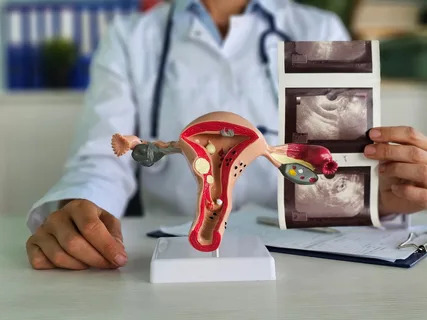
Ultrasound remains an important diagnostic technology for evaluating uterine fibroids. It is widely used because it is accessible, non-invasive, and capable of providing useful information about uterine anatomy.
Technological improvements are supporting clearer visualization and more detailed assessment of fibroid characteristics. Three-dimensional ultrasound can provide additional anatomical information in selected clinical situations and may assist with treatment planning.
Improved ultrasound capabilities can help healthcare professionals determine whether additional imaging or specialist evaluation is appropriate.
Advances in Magnetic Resonance Imaging
Magnetic resonance imaging is another important diagnostic tool, particularly when detailed anatomical information is required.
MRI can provide information about fibroid size, location, number, and relationship with surrounding tissues. This can be valuable when physicians are evaluating complex cases or planning selected interventions.
Improved imaging quality and digital processing can make MRI information more useful for individualized treatment planning.
Better Fibroid Classification
Diagnostic advancement is also improving the ability to classify fibroids according to their location and characteristics.
Understanding whether fibroids are submucosal, intramural, subserosal, or located in other anatomical positions can influence treatment considerations.
More precise classification can help physicians compare therapeutic options and determine whether a patient may be suitable for medication, hysteroscopic treatment, minimally invasive intervention, or surgery.
Uterine Fibroid Treatment Market Drivers
Several Uterine Fibroid Treatment Market Drivers are encouraging diagnostic innovation. Growing patient awareness, demand for personalized treatment, expansion of minimally invasive procedures, fertility preservation, healthcare technology investment, and increasing emphasis on early evaluation are supporting the adoption of advanced diagnostic solutions.
Additional factors include:
- Growing availability of advanced imaging
- Increasing demand for precise treatment planning
- Expansion of specialized gynecological centers
- Greater use of digital healthcare
- Rising interest in fertility-conscious treatment
- Development of artificial intelligence applications
- Increasing focus on patient-centered care
Image-Guided Treatment Planning
Diagnostic imaging is becoming increasingly connected with treatment planning.
Detailed imaging can help physicians understand fibroid anatomy before performing selected minimally invasive or surgical procedures. This information may support procedural selection and help clinicians anticipate anatomical considerations.
The integration of imaging with treatment technologies could further improve precision and workflow efficiency.
Artificial Intelligence in Diagnosis
Artificial intelligence is emerging as a promising area of diagnostic development.
AI-based systems may assist in identifying fibroids, measuring lesions, analyzing medical images, and organizing diagnostic information. These capabilities could help healthcare professionals process large amounts of imaging data more efficiently.
However, AI applications require appropriate clinical validation, reliable datasets, privacy safeguards, and professional oversight. Technology should complement clinical expertise rather than replace medical judgment.
Digital Diagnostic Platforms
Digital healthcare platforms are increasingly supporting diagnostic workflows. Electronic records can help organize imaging results, treatment history, symptoms, and other relevant clinical information.
Integrated systems may reduce information fragmentation and improve communication between gynecologists, radiologists, surgeons, and other specialists.
Better data organization can support more coordinated treatment decisions.
Diagnostic Support for Fertility Preservation
Accurate diagnosis is particularly important for patients concerned about fertility.
Detailed imaging can help healthcare professionals evaluate fibroid characteristics and consider how their location may relate to reproductive objectives. This information can support discussions about uterus-preserving treatment options where clinically appropriate.
The increasing focus on reproductive goals is therefore encouraging greater attention to diagnostic precision.
Earlier Evaluation of Symptoms
Improved awareness and diagnostic access can encourage patients to seek evaluation when symptoms become persistent or disruptive.
Heavy menstrual bleeding, pelvic discomfort, pressure, and other symptoms may prompt clinical assessment. Early evaluation can help determine whether fibroids are present and whether monitoring or treatment may be appropriate.
Better patient education can therefore complement technological improvements in diagnosis.
Point-of-Care and Accessible Technologies
Healthcare systems are also interested in diagnostic solutions that can improve accessibility.
Portable and efficient ultrasound technologies may support evaluation in different healthcare environments. Expanding access to practical diagnostic tools can be especially important in areas where advanced imaging facilities are limited.
Affordable technologies can help reduce disparities between major medical centers and underserved regions.
Diagnostic Monitoring After Treatment
Diagnostic technologies can also contribute to treatment follow-up.
Imaging may be used when healthcare professionals need to evaluate changes in fibroid characteristics or assess symptoms following treatment. Digital records can help compare information across different stages of care.
Consistent monitoring can support clinical decision-making when additional management is required.
Challenges in Diagnostic Adoption
Despite technological progress, several challenges remain. Advanced imaging equipment can require substantial investment, specialized personnel, maintenance, and appropriate healthcare infrastructure.
Differences in access can result in uneven availability of advanced diagnostics across regions. Training healthcare professionals and improving reimbursement can help address some of these barriers.
Diagnostic technologies must also maintain accuracy and reliability to support effective treatment decisions.
Future Diagnostic Development
Future diagnostic advancements are likely to involve stronger integration between imaging, artificial intelligence, electronic health records, and treatment-planning systems.
Automated measurement and image analysis could support faster assessment, while connected platforms may allow diagnostic information to move efficiently between specialists.
The long-term direction is likely to emphasize precision, accessibility, interoperability, and personalized clinical decision-making.
Conclusion
Diagnostic advancements are becoming an important component of the Uterine Fibroid Treatment Market. Improvements in ultrasound, magnetic resonance imaging, digital platforms, image-guided planning, and artificial intelligence are helping healthcare professionals better understand fibroid characteristics and develop individualized treatment strategies.
Future progress will depend on clinical validation, affordability, specialist training, data quality, and healthcare infrastructure. As diagnostic technologies become more integrated with treatment systems, they can support more precise interventions, fertility-conscious care, and improved patient management.
Learn more:- https://www.pristinemarketinsights.com/uterine-fibroid-treatment-market-report