Velvet Sofa or Sectional Sofa? How to Choose the Right Seating for Your Living Room
-

- Published Updated
- 1,771 views
Choosing a sofa is one of the most important decisions when furnishing a living room. It is usually the largest piece of furniture in the space, influences the entire layout, and often becomes the place where family members relax, guests gather, and everyday conversations happen.
But choosing the right sofa is not simply about selecting a color or design that looks attractive online.
Room size, seating requirements, upholstery, lifestyle, traffic flow, comfort, and long-term flexibility all matter. Two popular directions for modern interiors are elegant velvet sofas and spacious sectional sofas. Both can work beautifully, but they solve different interior needs.
Understanding those differences can make it much easier to choose seating that genuinely suits your home.
Start With the Size and Shape of Your Living Room
Before considering upholstery or style, measure the room.
Take note of doors, windows, television units, coffee tables, walkways, and other furniture. A sofa should provide comfortable seating without making movement around the room difficult.
In a medium-sized drawing room or lounge, a traditional three-seater sofa can create a clear focal point while leaving enough space for armchairs, side tables, or additional décor.
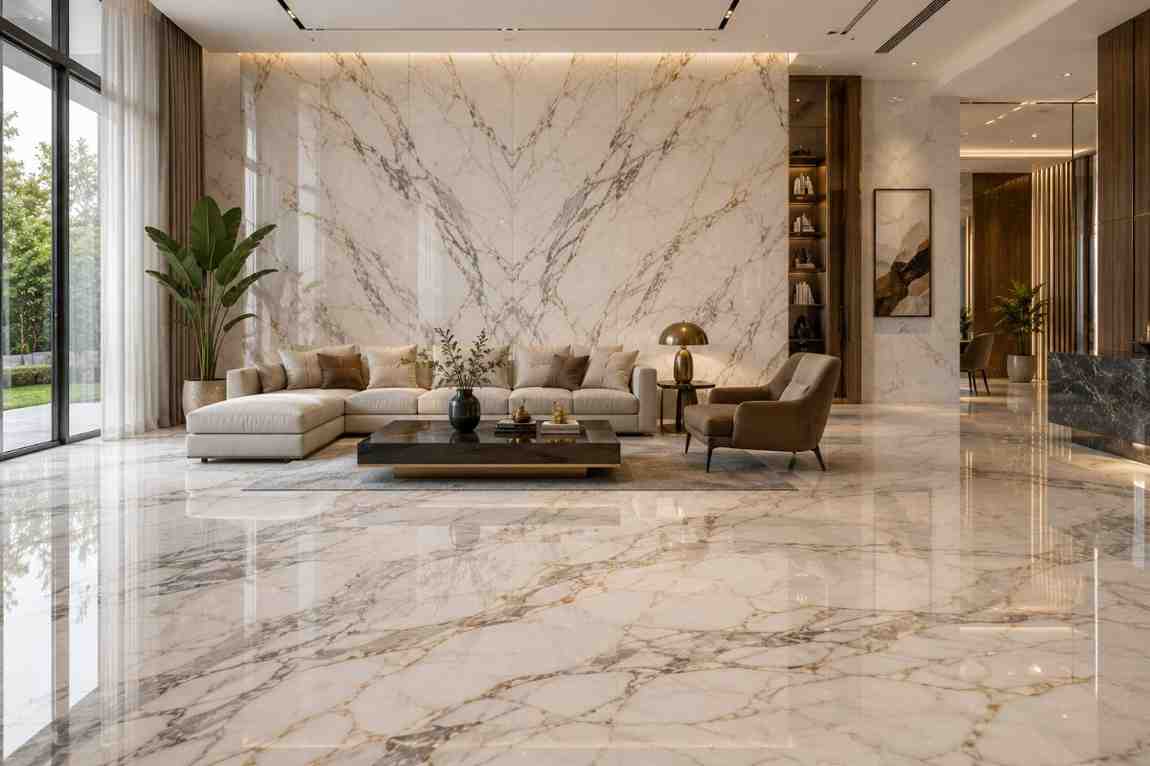
Larger rooms often offer greater flexibility. A sectional can help use an empty corner effectively or define the seating zone within an open-plan interior.
The goal is not to fill every available space.
A well-designed living room should still have enough breathing room around its furniture.
When Does a Velvet Sofa Work Best?
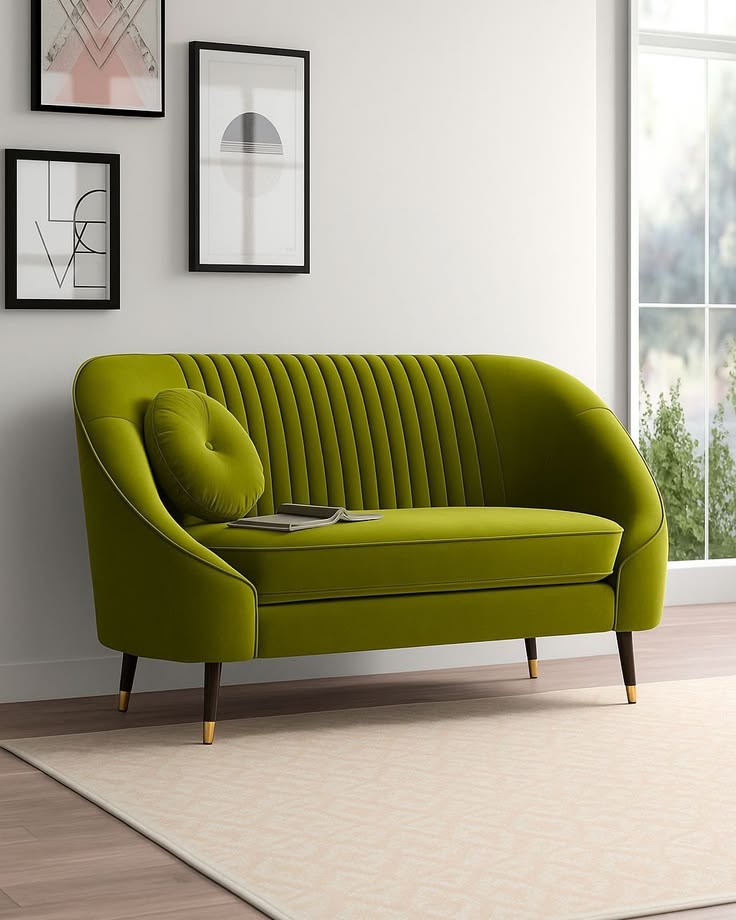
Velvet has a distinctive texture that can instantly add depth and visual interest to a room.
Unlike flatter upholstery fabrics, velvet interacts with light differently depending on its direction and surroundings. This can give a sofa a richer appearance without requiring excessive decorative detailing.
A design such as the Gorten Velvet Sofa can suit homeowners who want seating that feels sophisticated while still functioning as an everyday centerpiece.
Velvet sofas can work particularly well in drawing rooms, formal lounges, contemporary living rooms, and spaces where the sofa is intended to become a visual feature.
However, the surrounding décor should remain balanced.
If the sofa already has strong color, texture, or tufting, there may be no need to add multiple competing patterns around it. Neutral rugs, restrained curtains, simple side tables, and carefully chosen cushions can allow the upholstery to stand out naturally.
Think Beyond Appearance
A sofa should look good, but everyday comfort matters just as much.
Consider how the room will actually be used.
If you regularly entertain guests, slightly more upright seating may make conversation easier. A family lounge used for television and relaxation may benefit from deeper seats and softer cushioning.
Think about:
How many people normally use the room?
How often is the sofa used?
Is the room formal or relaxed?
Do you entertain guests frequently?
Are children or pets regularly using the furniture?
How much maintenance are you comfortable with?
These questions can tell you far more about the right sofa than following the latest interior trend.
When Is a Sectional Sofa the Better Choice?
Sectionals are particularly useful when seating capacity is a priority.
Instead of arranging several separate sofas and chairs around a large room, one sectional can provide a connected seating area that naturally encourages conversation.
A Corner Sectional Sofa can also help homeowners make practical use of corners that might otherwise remain empty or awkward.
This type of seating is especially effective in family lounges and larger living spaces where several people regularly sit together.
Sectionals can also work well in open-plan homes.
Their shape can visually separate the living area from a dining room or other adjoining zone without requiring walls or partitions.
The main consideration is placement.
Before purchasing, check carefully whether the corner orientation works with doors, windows, television placement, and walking routes.
Do Not Choose a Sectional Only Because the Room Is Large
A large room does not automatically require a sectional.
Sometimes two sofas and a pair of chairs offer more flexibility, especially when people often rearrange seating for gatherings.
Sectionals are most useful when their shape solves a genuine layout problem or suits the way people use the room.
For example, a household where several family members regularly watch television together may benefit from connected sectional seating.
A formal drawing room used primarily for guests might work better with separate seating pieces because they allow people to face one another more naturally.
Function should guide the decision.
Consider Color as Part of the Whole Room
Sofa color should never be chosen in isolation.
Look at flooring, wall color, curtains, rugs, wood tones, and natural light before making a decision.
Neutral upholstery offers flexibility because cushions and accessories can be changed over time. Deeper shades can make the sofa a stronger focal point.
Velvet is particularly effective with rich colors because its texture creates subtle tonal variations under different lighting conditions.
Sectionals, because of their larger visual footprint, often work well in restrained or neutral tones that prevent the room from feeling too heavy.
There are no fixed rules, but visual balance matters.
Leave Space for Other Furniture
One common mistake is choosing such a large sofa that there is nowhere practical to place anything else.
Your living room may still need a coffee table, side tables, lighting, storage, occasional chairs, or a console.
Try mapping the furniture layout before ordering.
Even placing masking tape on the floor to represent sofa dimensions can help you understand how much space the piece will actually occupy.
Remember to account for walking space rather than measuring only whether the sofa technically fits between two walls.
A sofa that fits on paper may still feel oversized once people begin moving around it.
Avoid Designing Around Short-Term Trends
Curved shapes, particular fabrics, colors, and sofa profiles move in and out of fashion.
Trends can provide useful inspiration, but large furniture purchases should ideally work beyond a single season.
Choose the main sofa according to your lifestyle and the proportions of the room. Trend-driven elements can then appear through cushions, throws, rugs, lighting, or artwork.
These smaller details are easier to update without replacing expensive furniture.
A sofa with a strong but balanced design can adapt to several interior styles over time.
Which Sofa Type Is Right for You?
There is no single sofa style that works for every home.
Choose a velvet sofa when you want a defined centerpiece, interesting texture, and a more sophisticated visual presence.
Consider a sectional when your priorities are larger seating capacity, relaxed family use, efficient corner placement, or defining a seating area within an open-plan room.
In either case, measure carefully and think about everyday routines before focusing on appearance.
The best living rooms are rarely those with the most furniture. They are the ones where each piece feels intentional.
A sofa should give people somewhere comfortable to sit, make movement around the room easy, and support the way the household actually lives.
When comfort, scale, upholstery, and layout are considered together, the result is a living space that feels natural rather than staged—and that is what good interior design should achieve.