Visual Effects Explained: Definition, Techniques, and Cultural Impact
-

- Published Updated
- 1,505 views
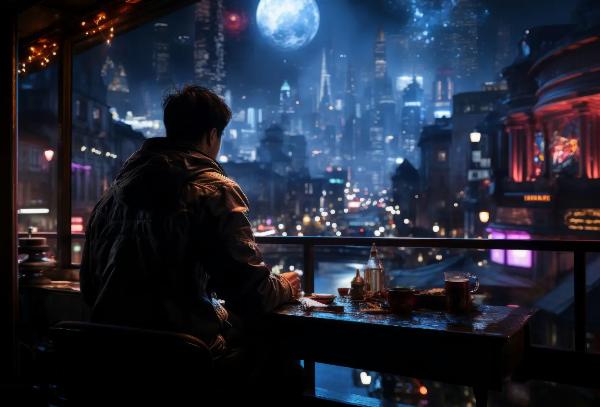
Visual effects are the techniques used to create or alter imagery outside the context of a live action shot, and the term "visual effects" appears throughout this introduction because it is the subject of explanation and analysis here. Visual effects combine practical methods, computer graphics, compositing, and photographic techniques to represent environments, actions, creatures, and phenomena that are difficult, dangerous, costly, or impossible to capture on set.
- Definition: Visual effects (VFX) are image-manipulation processes used in film, television, and games.
- Core techniques: CGI, compositing, motion capture, matte painting, and practical effects.
- Production roles: artists, supervisors, compositors, technical directors, and pipeline engineers.
- Importance: storytelling, safety, cost management, creative freedom, and audience engagement.
What are visual effects?
Basic definition
Visual effects refer to the processes that alter or enhance imagery in post-production or during production using physical or digital tools. Unlike special effects—often practical, in-camera effects executed on set—visual effects usually involve digital creation or modification after footage has been recorded. The goal can be realism, stylization, or the seamless integration of elements that were not present during filming.
Common categories
Typical categories include computer-generated imagery (CGI), compositing (layering multiple image elements), matte paintings (background extensions or replacements), motion capture (recording real movement for digital characters), and simulation (fluids, fire, smoke, cloth). Practical effects—miniatures, prosthetics, pyrotechnics—are often combined with digital techniques to achieve a final result.
How visual effects are produced
Pre-production and planning
VFX work begins in pre-production with storyboarding, previs (previsualization), and technical planning. Shots are evaluated for feasibility, safety, and budget. A visual effects supervisor coordinates with the director, cinematographer, and production design to determine how on-set elements should be captured—such as tracking markers, lighting references, and HDRI panoramas used later for realistic compositing.
Production stage
On set, detailed reference material is gathered. This may include photographic references, texture samples, lens information, and motion-capture takes. Practical effects may be filmed to interact with actors, and green- or blue-screen elements are captured for later background replacement. Accurate camera data and careful lighting notes are essential for integration of digital elements.
Post-production and pipeline
In post, raw footage moves through a VFX pipeline: tracking and match-moving, modeling and texturing, animation, lighting and rendering, simulation, and compositing. Rendering farms and software tools handle compute-intensive tasks. Quality control, color grading, and editorial alignment complete the process. Academic conferences like ACM SIGGRAPH and professional bodies such as the Visual Effects Society document standards and research used across the industry.
Why visual effects are important
Storytelling and imagination
Visual effects expand the range of storytelling possibilities. They allow filmmakers and creators to depict historical events, speculative futures, imaginary creatures, and large-scale disasters in ways that support narrative and emotional impact. Well-executed visual effects aim to be invisible—serving the story rather than calling attention to themselves.
Safety, practicality, and cost
Some scenes would be unsafe, illegal, or prohibitively expensive to film practically. Visual effects make it possible to stage complex stunts, crowd scenes, and hazardous events without putting performers at risk. In many cases, a combination of practical and digital work reduces production costs while maintaining realism.
Cross-industry applications
Beyond film and television, visual effects techniques support advertising, immersive experiences, scientific visualization, and training simulations. Industries such as architecture, automotive design, and medical imaging use visualization methods that share tools and workflows with cinematic VFX.
Skills, tools, and industry standards
Roles and expertise
A VFX team typically includes artists (modelers, texture artists, animators), technical directors (lighting, effects, rigging), compositors, production coordinators, and pipeline engineers. Coordination with editorial and sound departments ensures that effects integrate with the final cut. Education programs, industry certifications, and conferences contribute to professional standards.
Tools and research
Common software and toolsets are used for modeling, animation, rendering, and compositing. Research shared at academic venues and industry groups drives advances in real-time rendering, machine learning for image synthesis, and physically accurate simulation.
For information on professional standards, credits, and advocacy in the visual effects field, consult the Visual Effects Society (VFX Society) website: Visual Effects Society.
Considerations for audiences and creators
Perception and ethics
Audiences increasingly expect high-quality effects, which raises questions about authenticity, misinformation, and the ethical use of digital techniques. Industry groups and academic institutions examine issues such as deepfakes, archival integrity, and crediting of creative contributors.
Accessibility and sustainability
Advances in cloud rendering and open-source tools are lowering barriers to entry, while attention to energy use and hardware demands is prompting research into more sustainable production practices.
Future directions
Real-time engines, improved simulation fidelity, and machine learning-assisted workflows are shaping the next generation of visual effects. Collaboration between filmmakers, researchers, and standards organizations helps ensure that technical progress supports creative aims.
Frequently asked questions
What are visual effects used for?
Visual effects are used to create or enhance imagery for storytelling, to depict events that cannot be filmed practically, to ensure safety, and to provide visual experiences in media ranging from film and television to games and simulation.
How do visual effects differ from special effects?
Special effects typically refer to practical, on-set effects such as pyrotechnics, prosthetics, and mechanical rigs. Visual effects usually involve post-production digital creation or manipulation but are often combined with practical effects for best results.
Who sets professional standards for visual effects?
Professional standards emerge from collaborations among industry organizations (for example, the Visual Effects Society), academic conferences such as ACM SIGGRAPH, and technical committees associated with film academies and production unions.