The Voice-First Shift in Digital Storytelling: Unlocking Global Audiences for Video Creators
-

- Published Updated
- 43 views
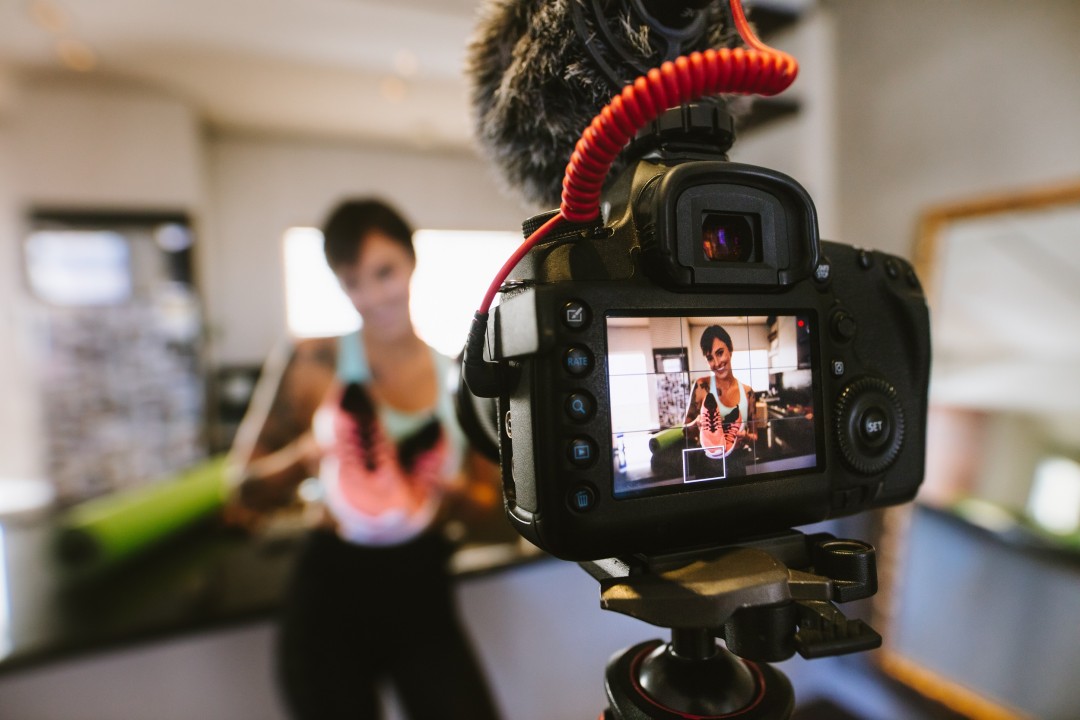
Digital storytelling and content marketing have entered a visual, broadcast-driven era. Whether you are producing interactive live workshops, brand launch videos, or weekly podcast streams, the human voice remains the most potent tool in your creative arsenal. Vocal inflection, strategic pauses, natural enthusiasm, and cadence do far more than convey raw facts. They generate trust, elicit empathy, and transform casual viewers into loyal brand advocates.
Yet, despite the immense reach of modern video platforms, digital creators and marketing strategists consistently face a persistent obstacle: the language barrier. A copywriter or video creator might craft an exceptional script, film compelling visual sequences, and edit with cinematic precision, but the moment that content is spoken, its addressable market shrinks to those who understand that single language.
Why Captions Cannot Carry the Full Weight of Storytelling
For years, digital media agencies and content creators treated auto-generated captions as the standard solution for international distribution. While subtitles remain a valuable accessibility baseline, they frequently undermine the emotional impact of narrative video.
Reading moving text forces audiences into a divided cognitive state. Viewers spend up to forty percent of their attention tracking subtitles across the bottom of the screen rather than focusing on visual demonstrations, facial micro-expressions, or product details. More importantly, written text flattens vocal emotion. A bold sales pitch, an intimate brand founder interview, or an energetic tutorial loses its soul when converted into flat text. Storytelling thrives on acoustic nuance, and modern audiences deserve to hear stories told directly in their own language.
Seamless Voice AI as Creative Infrastructure
Advances in generative artificial intelligence and neural speech models have altered this landscape entirely. Modern video creators no longer need to depend solely on silent text or deal with expensive, time-consuming dubbing studios. Implementing intelligent live translation for videos allows content producers to broadcast their narrative across international borders while preserving the original speaker's distinctive vocal identity.
A state-of-the-art voice translation pipeline delivers this experience through three synchronized stages:
Automated speech recognition captures natural speech, filtering ambient room sound and handling rapid conversational flow.
Context-aware language models interpret complete sentences rather than translating word by word, protecting idioms, creative metaphors, and brand-specific terminology from awkward literal phrasing.
Zero-shot vocal cloning synthesizes the translated output in real time, matching the original creator's tone, pitch, and rhythmic delivery in the target language.
When a creative strategist in London streams a live masterclass on conversion copywriting, viewers in Madrid, Tokyo, or São Paulo hear the exact same message in Spanish, Japanese, or Portuguese, delivered with the presenter's signature voice and conversational rhythm.
Palabra is engineered to provide this exact foundation, empowering creative agencies and independent storytellers to scale their reach without sacrificing brand authenticity. Removing linguistic friction allows your message to connect with audiences everywhere, proving that great storytelling knows no borders.
Beyond scaling distribution, localized voice models fundamentally rewrite customer engagement economics. Traditional localization workflows—juggling multi-regional talent agencies, booking physical recording booths, and enduring weeks of post-production reviews—naturally limited global campaign rollouts to enterprise budgets. By integrating AI-driven vocal translation directly into the production stack, high-growth brands and nimble creators collapse turnaround times from weeks to minutes. Teams can iterate rapidly, A/B test messaging in diverse markets concurrently, and react to regional trends in real time without ballooning overhead.
This immediacy unlocks deeper psychological resonance across every touchpoint. Consumer behavior studies consistently show that audiences retain visual narratives far better and convert at significantly higher rates when addressed in their native tongue rather than through translated captions. When the translated audio mirrors the original speaker’s cadence and sonic texture, the cognitive friction between viewer and narrator evaporates. The interaction shifts from a passive exercise in reading comprehension to an authentic, immersive dialogue that commands undivided focus.
As digital media shifts toward decentralized global audiences, vocal localization is no longer an optional post-production afterthought—it is foundational creative infrastructure. The brands and creators dominating the next decade of digital storytelling will not be those who speak the loudest in a single market, but those who build trust effortlessly across hundreds of them simultaneously. When language stops dictating who can engage with your message, authentic human connection becomes your most scalable asset.
This linguistic agility also reshapes how content libraries age and compound value over time. In traditional media cycles, high-performing evergreen assets—masterclasses, product walkthroughs, keynote presentations, and archival interviews—frequently languish in a single domestic market long after their initial release. Retrofitting these backlogs through modern neural voice pipelines breathes continuous life into high-value intellectual property. What was once a dormant archive instantly transforms into an active, multi-market revenue driver, unlocking untapped audiences without requiring a single minute of additional filming.
Furthermore, dynamic voice adaptation solves one of the thorniest challenges in modern digital advertising: regional relevance at scale. While visual aesthetics often cross borders effortlessly, cultural reception hinges on subtle verbal cues, humor, and pacing. An overly fast delivery that excites an urban audience in the West may feel rushed or aggressive in other regional contexts. Next-generation translation workflows allow marketers not only to swap languages, but to subtly calibrate emotional delivery, tempo, and vocal presence to fit local cultural expectations, creating campaigns that feel organically home-grown rather than conspicuously imported.
Ultimately, we are witnessing the democratization of global media distribution. The historic advantage held by multinational conglomerates—whose localized reach was built on sheer capital and distributed studio operations—is giving way to a more meritocratic creative landscape. A solo creator or boutique agency armed with intelligent vocal infrastructure can now compete on equal footing on the world stage. By dismantling the final technical barrier to cross-cultural narrative immersion, the next frontier of digital marketing ensures that brilliance of message, rather than geography of origin, defines who wins global attention.