Essential Wedding Gold Necklace Designs: Styles, Materials & Care
-

- March 15th, 2026
- 1,463 views
Wedding gold necklace designs remain a central choice for bridal jewelry across many cultures. This guide to wedding gold necklace designs explains common styles, materials and purity options, cultural variations, hallmarking, and practical care so buyers and wearers can make informed choices.
- Popular bridal styles include chokers, pendants, bibs, and heirloom rani haars.
- Gold purity (karatage) affects color, durability and cost — 14K and 18K are common in many markets.
- Hallmarks and assay marks verify purity; check local regulators such as BIS or national assay offices.
- Proper storage and periodic professional cleaning extend the life of gold necklaces.
Types of wedding gold necklace designs
Wedding gold necklace designs span simple to highly ornate pieces. Common silhouettes include:
Choker and collar necklaces
Chokers sit high on the neck and suit modern and traditional bridal outfits. Collars are slightly wider and wrap closely around the throat for a polished, formal look.
Pendant and solitaire chains
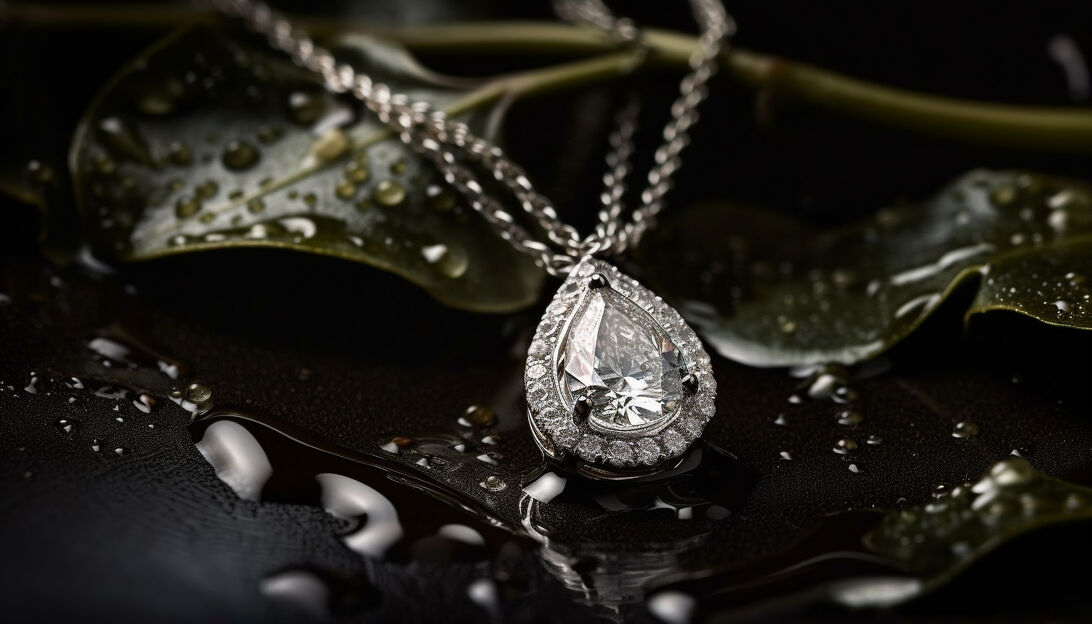
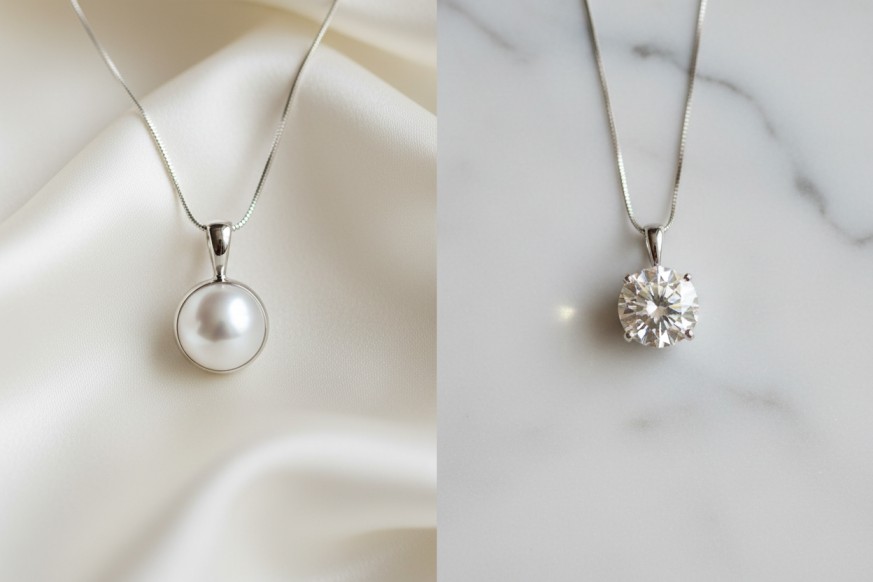
Pendants offer a focal point while keeping the overall look lightweight. Solitaires with a single gemstone or motif pair well with layered sets.
Bib, rani haar, and layered styles
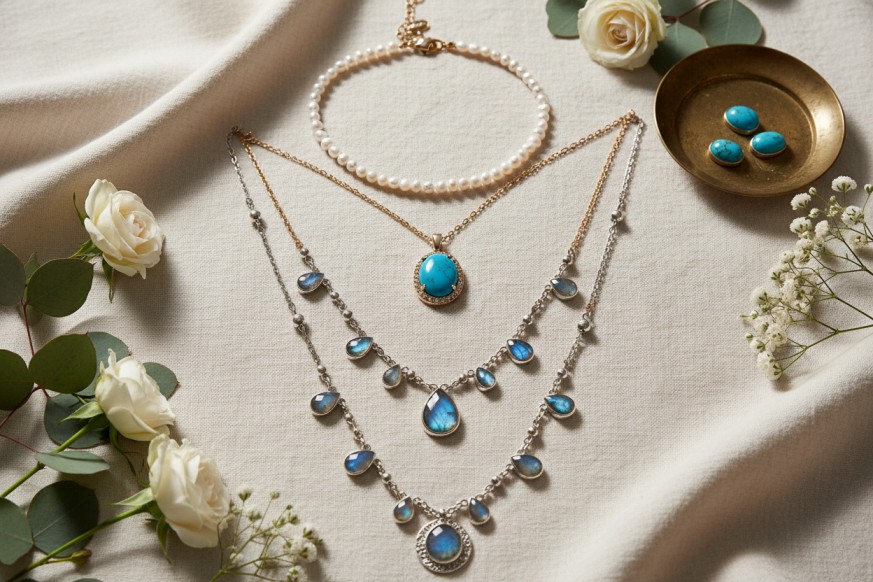
Bib necklaces cover a larger area of the upper chest; rani haar (a multi-tiered royal-style necklace) is popular in South Asian bridal jewelry. Layered chains mix textures and lengths for a rich visual effect.
Traditional and cultural variations
Many traditions have signature bridal necklaces — for example, long haarams used in South Indian ceremonies or mangalsutra-style pendants used in some Hindu weddings. Cultural designs often carry symbolic motifs, materials, or construction techniques tied to heritage.
Materials, purity and alloys
Gold used in necklaces is typically alloyed with other metals to increase strength and alter color. Common choices include:
Yellow, white and rose gold
Yellow gold is gold alloyed with copper and silver; white gold includes nickel or palladium and is often plated with rhodium for whiteness; rose gold receives a pink tone from higher copper content.
Karat and purity (14K, 18K, 22K)
Karat indicates the proportion of pure gold in the alloy. Higher karat numbers mean more gold and a softer metal. 14K and 18K are widely used for wedding necklaces because they balance purity with durability. 22K and 24K are softer and more common in specific cultural pieces or investment-grade jewelry.
Market and educational resources from the World Gold Council provide data on gold purity and market trends useful for buyers and collectors.
Hallmarking, certification and trusted marks
Hallmarks and assay marks validate metal purity and help prevent fraud. Different regions have specific regulators and assay offices: for example, the Bureau of Indian Standards (BIS) oversees hallmarking in India, while several national assay offices operate across Europe and North America.
What to check
- Visible hallmark or stamp indicating karat (e.g., 14K, 18K) or fineness (e.g., 750 for 18K).
- Assay office marks or a certificate of authenticity for high-value pieces.
- Return, repair and appraisal policies when purchasing from retailers or auctions.
Buying considerations and styling tips
Selecting a wedding gold necklace involves aesthetic, practical and budget-related choices:
Matching neckline and outfit
Neckline dictates necklace length and style: deep necklines suit long haarams or pendants, while boat and high necklines work well with chokers and collars.
Weight, comfort and durability
Heavier, ornate necklaces can be striking but may be less comfortable for long ceremonies. Consider construction quality — secure clasps, reinforced links and integrally designed settings resist damage during wear.
Heirloom and investment pieces
Heirloom necklaces combine sentimental and material value. Keep documentation, including appraisals and hallmarks, for insurance and future resale or inheritance purposes.
Care and maintenance for gold necklaces
Everyday care
Avoid exposure to harsh chemicals (chlorine, household cleaners) and cosmetics. Remove necklaces before swimming, exercising or heavy physical activity.
Cleaning and storage
Clean gently with a soft cloth and mild soapy water; rinse and dry fully. Store pieces individually in soft pouches or lined boxes to prevent scratches and tangling. Periodic professional inspections will catch worn settings or loose stones early.
Choosing sustainable and ethical options
Buyers increasingly seek responsibly sourced gold and transparent supply chains. Look for certifications or retailer information about sourcing, responsible mining practices or recycled gold options. Independent standards and third-party audits vary by region; ask for documentation when sustainability is a priority.
What are popular wedding gold necklace designs?
Popular designs include chokers, pendants, layered chains, bibs and cultural pieces such as rani haars or mangalsutras. Choice often depends on regional traditions, outfit neckline, and personal comfort preferences.
How does karat affect a wedding gold necklace?
Karat reflects gold content: higher karat means softer metal and richer color but less scratch resistance. 14K and 18K are common choices for a balance of durability and appearance.
How can a buyer verify the purity of a gold necklace?
Check for hallmarks or assay office stamps, request certificates of authenticity, and consult national regulators or trusted appraisers for verification and valuation.
How should wedding gold necklaces be stored and cleaned?
Store pieces separately in soft-lined boxes or pouches, clean with mild soap and a soft brush, and avoid chemicals and prolonged exposure to moisture. Have high-value items professionally inspected periodically.