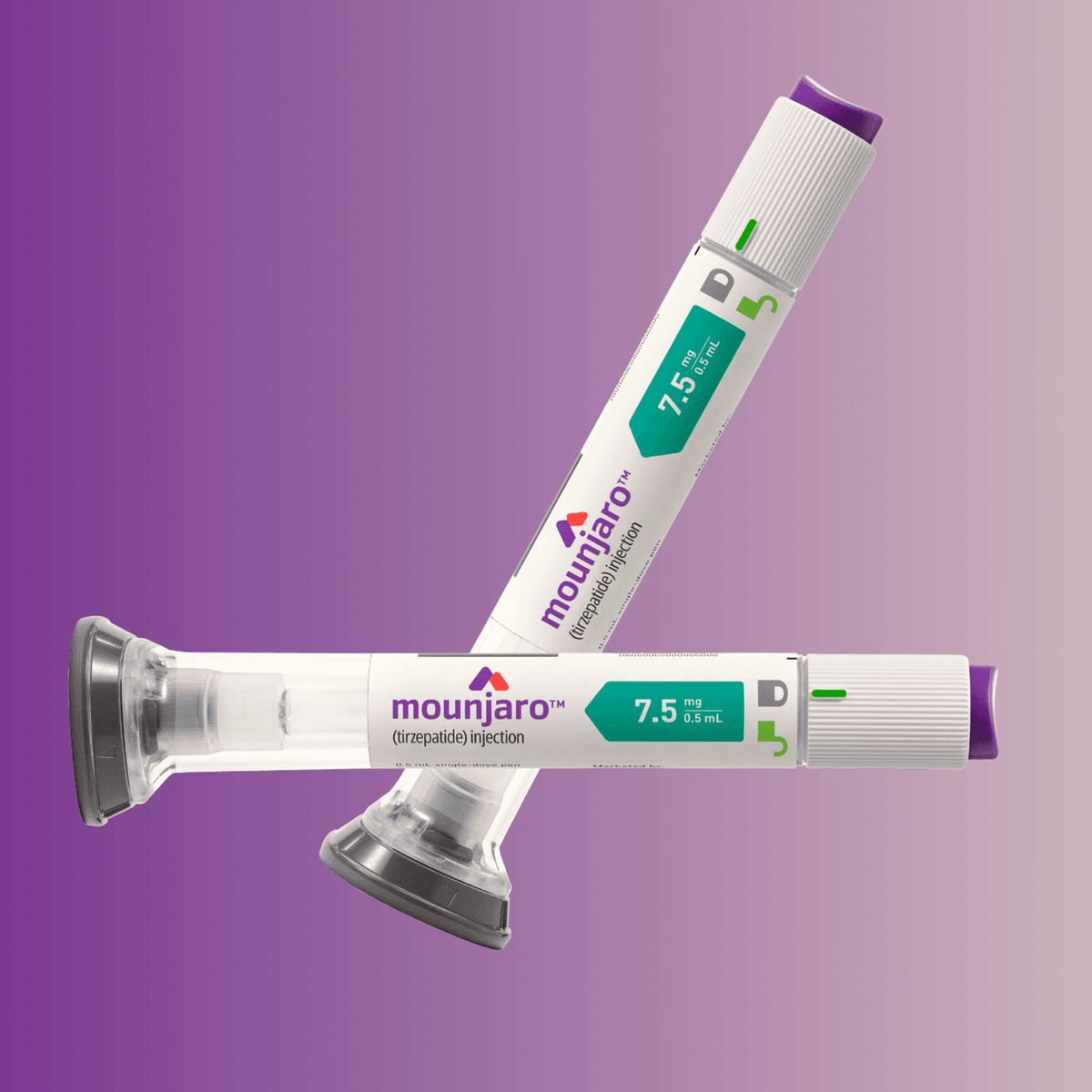
How Wegovy Injections Are Used in Dubai Weight Loss Clinics
-

- February 23rd, 2026
- 1,286 views

Get a free topical map and start building content authority today.
Introduction
Wegovy injections Dubai are increasingly discussed in the context of medical weight management offered by private and hospital-based clinics across the city. The medication, containing the active ingredient semaglutide, is one option among several approaches used by clinicians to support sustained weight loss for eligible patients under supervised care.
- Wegovy is a prescription semaglutide injection approved in several countries for chronic weight management.
- Dubai clinics typically combine medication with assessment, lifestyle counseling, and follow-up monitoring.
- Eligibility and safety screening include medical history, BMI criteria, and laboratory tests.
- Regulatory oversight in the UAE is provided by authorities such as the Dubai Health Authority and the Ministry of Health & Prevention.
Wegovy injections Dubai: availability, regulation, and clinical use
What Wegovy is and how it works
Wegovy contains semaglutide, a glucagon-like peptide-1 (GLP-1) receptor agonist. In clinical studies, GLP-1 receptor agonists have been associated with reduced appetite, slower gastric emptying, and improved blood sugar regulation in people with and without type 2 diabetes. Regulatory approvals in different countries define indications, dosing regimens, and labeled safety information. For international context, see the FDA's approval announcement and related guidance for chronic weight management FDA approval announcement.
How weight loss clinics in Dubai integrate Wegovy
Clinics offering weight management typically follow a structured pathway: initial assessment, baseline investigations, multidisciplinary planning, supervised prescription, and regular follow-up. Wegovy is prescribed only after a clinician evaluates medical suitability, comorbidities, current medications, and patient goals. Many clinics pair pharmacotherapy with nutritional counseling, behavior modification, and physical activity plans to support long-term results.
Eligibility and pre-treatment assessment
Common eligibility criteria referenced by clinics reflect international labeling and professional guidelines: adults with a body mass index (BMI) meeting defined thresholds, often with related health conditions such as hypertension or dyslipidemia. Screening typically includes a full medical history, measurement of weight and BMI, blood tests (including metabolic panels), and review of pregnancy risk for people of childbearing potential. Clinicians consider contraindications, prior medication responses, and potential interactions.
Treatment initiation, dosing, and monitoring
Treatment usually begins with a titration schedule to reduce side effects, with clinicians adjusting dose based on tolerance and response. Common monitoring elements include weight tracking, assessment of gastrointestinal symptoms, blood glucose control when relevant, and periodic lab work. Follow-up intervals vary depending on clinic protocols and patient needs. In Dubai, as elsewhere, responsible prescribing emphasizes informed consent and clear expectations about potential side effects and timelines for weight changes.
Safety, side effects, and regulatory oversight
Reported side effects of GLP-1 receptor agonists primarily involve the gastrointestinal system (nausea, vomiting, diarrhea, constipation) and are often transient. Rare but serious concerns reported in post-marketing surveillance include pancreatitis and gallbladder issues; clinicians screen and monitor for these risks. Local regulatory oversight in the UAE is provided by health authorities such as the Dubai Health Authority (DHA) and the Ministry of Health & Prevention, which set licensing and practice standards for medical facilities and practitioners. International regulatory decisions and peer-reviewed research are also used as reference points for local policy and clinical practice.
Cost, access, and clinic selection
Access to Wegovy in Dubai depends on supply, clinic formularies, and cost considerations. Medication pricing and insurance coverage vary; some private insurers may cover part of the cost under specific medical indications. When selecting a clinic, patients are encouraged to verify physician qualifications, clinic licensing, availability of multidisciplinary support (dietitians, endocrinologists, or bariatric specialists), and transparent protocols for monitoring and follow-up.
Practical considerations for patients
Realistic expectations and duration of therapy
Clinical trials report variable degrees of weight loss over months to a year; individual results depend on adherence, baseline characteristics, and concurrent lifestyle changes. Treatment duration is individualized; some regimens involve long-term maintenance. Discussion with a qualified clinician can clarify expected outcomes and criteria for continuing, adjusting, or stopping therapy.
Alternatives and combined approaches
Weight management may include behavioral interventions, structured diet and exercise programs, non-pharmacologic medical therapies, and surgical options for eligible candidates. Wegovy is one component within a broader spectrum of interventions and is best considered alongside evidence-based non-pharmacologic strategies.
Research and evidence sources
Peer-reviewed clinical trials and systematic reviews provide the primary evidence base for semaglutide’s effects on weight. Local clinical guidelines and regulatory advisories inform how that evidence is translated into practice in Dubai. Health professionals commonly reference official regulator publications and academic journals when designing treatment pathways.
Frequently asked questions
Are Wegovy injections Dubai clinics safe and regulated?
Clinics in Dubai operate under licensing and oversight by local health authorities such as the Dubai Health Authority (DHA) and the UAE Ministry of Health & Prevention; safety depends on clinician qualifications, adherence to protocols, and appropriate patient selection.
Who is typically eligible for Wegovy treatment?
Eligibility commonly follows international labeling: adults meeting BMI thresholds or having obesity-related conditions. A clinician must assess individual suitability and medical history.
What side effects should be expected?
Common side effects are gastrointestinal (nausea, vomiting, diarrhea, constipation) and tend to diminish with time or dose adjustment. Rare but serious adverse events have been reported and are monitored by health professionals.
How long does it take to see results?
Timeframes vary; some people notice changes within weeks, while clinically meaningful weight loss is typically evaluated over months. Results depend on dose, adherence, and concurrent lifestyle changes.
How to choose a clinic for weight management in Dubai?
Consider clinician credentials, clinic licensing, availability of multidisciplinary support, transparent monitoring plans, and clear discussion of costs and follow-up care.
Where to find more authoritative information?
Regulatory agencies and peer-reviewed literature are primary sources. Local health authorities such as the Dubai Health Authority publish practice standards used by clinics in the UAE.