Is a Weight Loss Injection Right for You in Dubai? Eligibility, Safety, and Next Steps
-
- February 25th, 2026
- 1,212 views

Get a free topical map and start building content authority today.
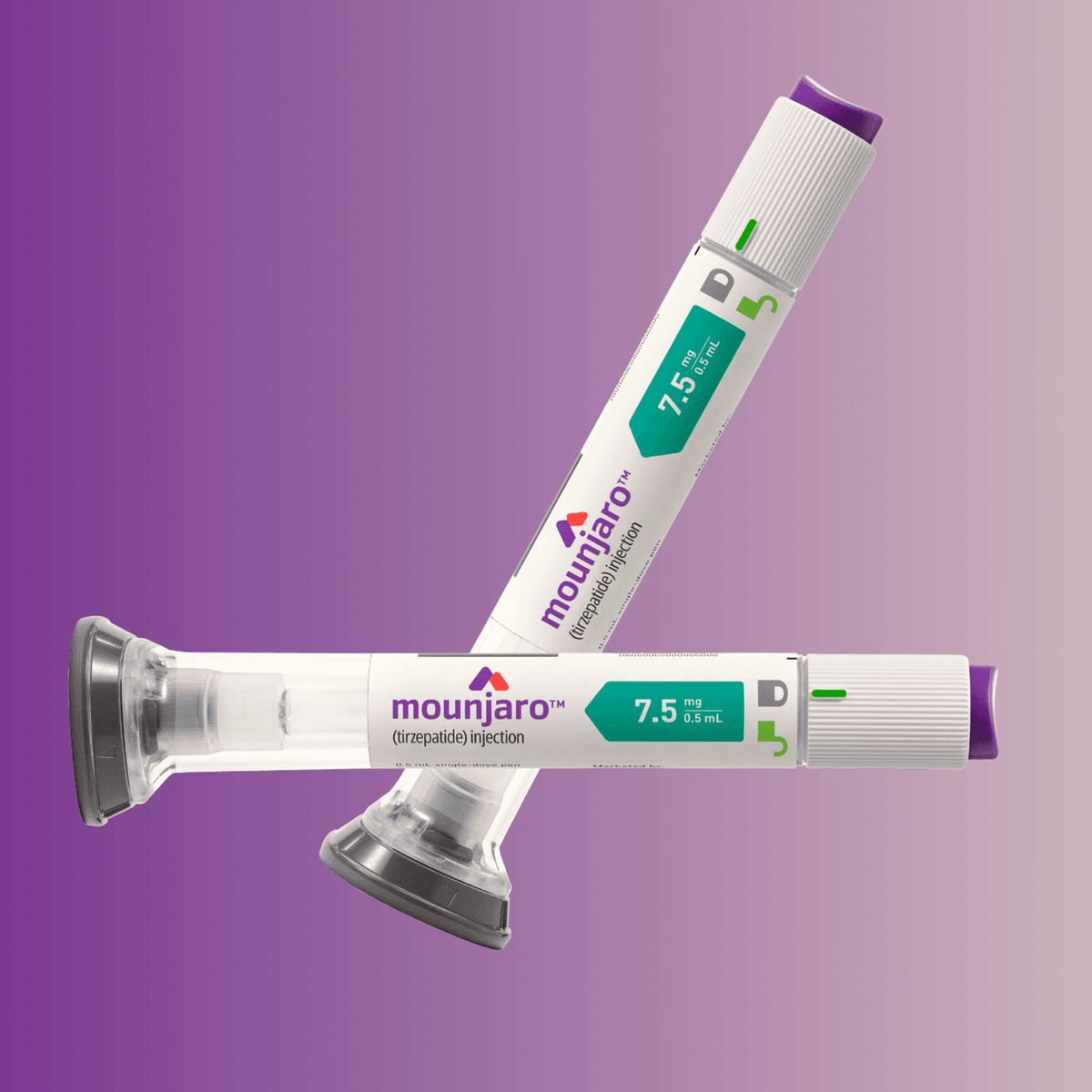
Weight loss injections in Dubai are prescription treatments that can assist people with obesity or overweight-related health problems when lifestyle measures alone have not worked. These injectable medications—most commonly glucagon-like peptide-1 (GLP-1) receptor agonists and newer GLP-1/GIP agents—work alongside diet, activity, and medical supervision rather than as a standalone cure.
- Typical candidates: adults with BMI ≥30 kg/m2 or BMI ≥27 kg/m2 with weight-related conditions (type 2 diabetes, hypertension, sleep apnoea).
- Assessment by a licensed clinician, informed consent, and ongoing monitoring are essential.
- Consider contraindications, pregnancy plans, and potential side effects before starting.
- Regulation and access in the UAE require prescription and follow local health authority guidance (Dubai Health Authority, MOHAP).
Who Should Consider Weight Loss Injections in Dubai?
Weight loss injections in Dubai may be considered by adults whose excess weight contributes to health risks and for whom non-pharmacological approaches (diet, exercise, behavioural change) have not achieved adequate results. Many clinicians use body mass index (BMI) thresholds and the presence of comorbid conditions to determine eligibility.
Common eligibility criteria
- BMI ≥30 kg/m2 (obesity).
- BMI ≥27 kg/m2 with at least one weight-related comorbidity such as type 2 diabetes, high blood pressure, obstructive sleep apnoea, or high cholesterol.
- Adults who have tried supervised lifestyle interventions without sufficient long-term weight loss.
- Ability and willingness to follow a clinician‑recommended treatment plan and monitoring schedule.
When injections are less likely to be recommended
Children and adolescents are typically evaluated on a case-by-case basis and require paediatric expertise. Pregnant or breastfeeding people, those planning pregnancy, and people with certain medical conditions (for example, a personal or family history of medullary thyroid carcinoma or multiple endocrine neoplasia type 2 for some classes of drugs) are usually advised against these treatments. A thorough medical history, medication review, and laboratory testing help identify contraindications.
How treatment is assessed and delivered
Clinical evaluation
A qualified prescriber—such as an endocrinologist, bariatric physician, or trained primary care doctor—should carry out a full assessment. This typically includes measurement of weight, BMI, screening for diabetes and other cardiometabolic risk factors, and discussion of previous weight-loss attempts. Shared decision-making is recommended so the patient understands potential benefits, side effects, and monitoring needs.
Prescribing and monitoring
Weight loss injections are prescription-only. Clinical follow-up commonly involves monitoring for gastrointestinal side effects, changes in blood glucose (if diabetic), and periodic reassessment of weight and metabolic markers. Treatment plans often emphasize concurrent dietary changes, physical activity adjustments, and behavioural support for the best outcomes.
Safety considerations, side effects, and contraindications
Common side effects and risks
- Gastrointestinal effects (nausea, vomiting, diarrhoea, constipation) are commonly reported during dose escalation.
- Potential for low blood sugar when used with insulin or insulin secretagogues—requires dose adjustments and monitoring.
- Rare but serious risks have been identified in clinical trials and post-marketing surveillance; long-term safety monitoring continues.
Important contraindications
Medical history of certain conditions (for example pancreatitis in some contexts, specific endocrine tumours) or pregnancy plans can make use inappropriate. A prescriber will evaluate all relevant medical history and, where indicated, arrange specialist input.
Access, regulation, and cost considerations in Dubai
Regulatory context
Prescriptions and delivery of weight loss injections in Dubai fall under local health authorities such as the Dubai Health Authority (DHA) and the UAE Ministry of Health and Prevention (MOHAP). Clinics and prescribers should comply with local licensing and pharmacovigilance requirements. Official public health guidance and licensed medical centres provide the safest route to access these therapies.
Costs and insurance
Costs vary by medication, dosing, duration, and the clinic providing care. Some health insurance plans may cover part of the assessment or treatment if the medications are approved and deemed medically necessary; others may not. Confirm coverage with the insurer and obtain clear cost estimates before starting a treatment course.
Choosing a clinic or prescriber
What to look for
- Board-certified clinicians with experience in obesity medicine, endocrinology, or bariatrics.
- A structured treatment plan that includes lifestyle support and monitoring.
- Transparent information about fees, treatment expectations, and potential side effects.
- Evidence of clinic licensing or registration with local health authorities.
Questions to ask a prospective prescriber
- What are the likely benefits and typical weight-loss ranges based on clinical evidence?
- What side effects and risks are most common, and how will they be managed?
- How often will follow-up visits and tests be scheduled?
- What is the expected duration of treatment and criteria for stopping or changing therapy?
For context on the health impact of overweight and obesity and the importance of evidence-based approaches, see the World Health Organization factsheet on overweight and obesity: World Health Organization — Obesity and Overweight.
Final considerations
Weight loss injections are a medically supervised option that can be appropriate for some adults in Dubai, particularly those with obesity or significant weight-related health issues who have not achieved sustained results with lifestyle measures. A careful assessment by a licensed clinician, discussion of risks and benefits, and commitment to ongoing lifestyle support are central to safe and effective use.
Frequently asked questions
Are weight loss injections in Dubai safe?
Safety depends on individual medical history, the specific medication used, and the quality of clinical oversight. Common short-term side effects include gastrointestinal symptoms; serious or rare adverse events require medical evaluation. A licensed prescriber will assess risks and arrange monitoring.
Who is eligible for these injections?
Eligibility typically includes adults with BMI ≥30 kg/m2 or BMI ≥27 kg/m2 with weight-related conditions. Individual assessment by a clinician is necessary to confirm suitability.
How long do people usually stay on treatment?
Treatment duration varies by individual response, goals, and tolerability. Some people use injections for months to years under medical supervision; stopping often requires a plan to maintain healthy behaviours and minimise weight regain.
How to find a licensed clinic or prescriber in Dubai?
Search for clinics registered with the Dubai Health Authority or consult primary care providers for referrals to endocrinology or obesity medicine specialists. Verify clinician credentials and ask about structured follow-up and support services before starting.
Will health insurance cover weight loss injections?
Coverage varies by insurer and policy. Contact the health insurance provider to confirm whether assessment, medication, or follow-up visits are covered and under what conditions.