Complete Guide to Weight Loss Injections: Types, Benefits, and Safety
-

- Published Updated
- 1,844 views
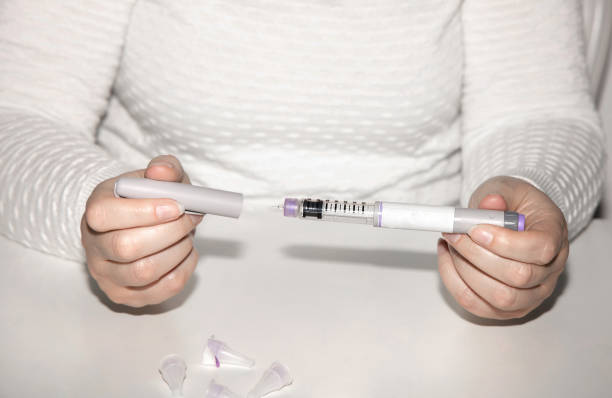
Weight loss injections are prescription medicines designed to support weight management for people with specific health profiles. These treatments, often acting through hormones such as GLP-1, are increasingly discussed alongside lifestyle changes and structured weight management programs. This article explains how weight loss injections work, who might be eligible, possible side effects, and regulatory considerations.
Weight loss injections are medical treatments usually prescribed for adults with obesity or overweight plus related conditions. They include GLP-1 receptor agonists and other injectable agents. Typical use is combined with diet, physical activity, and clinical monitoring. Potential benefits, risks, and cost vary; FDA and national health agencies provide guidance on approved uses and safety monitoring.
What are weight loss injections?
Weight loss injections refer to a class of prescription drugs given by injection that aim to reduce appetite, slow gastric emptying, or change metabolic signals to support weight reduction. Many act on the incretin system—molecules that influence insulin secretion and appetite regulation. These medications are intended to be one element of a broader weight-management plan that includes dietary and behavioral changes.
How weight loss injections work
Medications used as weight loss injections often mimic or enhance natural hormones. GLP-1 receptor agonists, for example, bind to glucagon-like peptide-1 receptors to increase satiety and reduce calorie intake. Other agents may target different pathways related to glucose metabolism, appetite regulation, or energy expenditure. Clinical trials typically measure outcomes such as percentage body weight lost, changes in body mass index (BMI), and improvements in cardiometabolic markers.
Common types and mechanism of action
GLP-1 receptor agonists
GLP-1 receptor agonists are a commonly prescribed class that can promote reduced appetite and slower gastric emptying. These agents have been studied extensively in controlled clinical trials for weight reduction and for the management of type 2 diabetes.
Dual-agonists and other investigational drugs
Research continues into dual-agonists that act on multiple hormonal pathways (for example, both GLP-1 and GIP receptors) and other novel mechanisms. These may offer different efficacy or side-effect profiles compared with single-mechanism drugs.
Who might be considered for these treatments
Prescribing guidelines used by clinicians and health authorities typically recommend injectable weight-loss medicines for adults with:
- BMI ≥30 kg/m2 (obesity), or
- BMI ≥27 kg/m2 with at least one weight-related condition such as high blood pressure, type 2 diabetes, or sleep apnea.
Eligibility decisions depend on individual health status, prior weight-management efforts, potential drug interactions, and guidance from a healthcare professional.
Expected benefits and realistic outcomes
Clinical trials report a range of average weight loss outcomes depending on medication type, dose, and duration. Some people experience clinically meaningful weight reduction when injections are used alongside structured lifestyle changes. Individual results vary, and long-term weight management typically requires ongoing behavioral support and monitoring.
Possible side effects and monitoring
Common side effects reported with weight loss injections include gastrointestinal symptoms such as nausea, vomiting, diarrhea, or constipation. Less common but more serious risks can include pancreatitis, gallbladder issues, changes in heart rate, or rare allergic reactions. Healthcare providers usually recommend regular follow-up to monitor effectiveness, side effects, and any metabolic changes.
Contraindications and precautions
Certain conditions or histories (for example, a personal or family history of certain endocrine tumors) may contraindicate use of specific injectable agents. Pregnancy and breastfeeding are typically contraindications, and planning for pregnancy should be discussed with a clinician before starting treatment. A full medication review is essential to identify possible interactions.
Access, cost, and practical considerations
Coverage for prescription weight loss injections varies by country, insurer, and clinical indication. Out-of-pocket costs can be significant for some patients. Injectable treatments require training for proper administration, storage conditions, and adherence to dosing schedules. Combining pharmacotherapy with structured weight-management support increases the chance of sustained benefit.
Regulation, approvals, and guidance
Regulatory agencies evaluate safety and efficacy data before approving injectable drugs for weight management. National health services and professional societies issue guidance on appropriate use, monitoring, and patient selection. For information on approved drugs and safety communications, consult the U.S. Food and Drug Administration: U.S. Food and Drug Administration (FDA). Additional guidance is available from health agencies such as the National Health Service (NHS) in the UK and public health institutes.
Integrating injections into a weight-management plan
Weight loss injections are most effective when combined with dietary changes, increased physical activity, behavioral strategies, and regular clinical follow-up. Structured programs that include counseling, goal-setting, and monitoring of cardiometabolic health help support safer and more durable outcomes.
Questions to ask a healthcare provider
- Why is an injectable medication being recommended for this individual case?
- What are the expected benefits and likely timeline for results?
- What side effects should be anticipated, and how will they be managed?
- How will treatment progress be monitored, and what measures will determine continuation or discontinuation?
- How does cost and insurance coverage affect access to treatment?
Frequently asked questions
Are weight loss injections effective and safe?
Effectiveness and safety depend on the specific medication, patient characteristics, and adherence to recommended monitoring. Clinical trials report measurable weight loss for many injectable agents, but side effects and risks must be balanced with potential benefits under medical supervision.
How long do injections need to be taken?
Duration varies by the treatment plan and individual response. Some people use medications for months to years under clinical oversight. Decisions about stopping or continuing therapy are individualized and should involve a healthcare provider.
Can people with diabetes use these injectable weight-loss medicines?
Certain injectable agents were initially developed for diabetes management and are also used for weight reduction in appropriate patients. Medication choice and dosing should consider blood glucose control, risk of hypoglycemia, and other diabetes medications.
What lifestyle changes should accompany injections?
Dietary adjustments, consistent physical activity, behavior change strategies, and participation in structured weight-management programs typically accompany pharmacotherapy to maximize benefit and support long-term maintenance.
Who should not use weight loss injections?
Contraindications depend on the specific drug. People who are pregnant or breastfeeding, those with certain medical histories, or those taking incompatible medications may be advised against these treatments. A thorough medical evaluation is necessary before starting any prescription injection.
When considering weight loss injections, consult a qualified healthcare professional to review individual risks, benefits, and alternatives. Official guidance from national regulatory and health agencies can provide current information about approved uses and safety data.