Risks of DIY Pet and Bird Removal in Bayonne: Safety, Legal, and Practical Guide
-
- March 18th, 2026
- 213 views
The risks of DIY bird removal Bayonne homeowners face include legal penalties, injury, disease exposure, and unintended ecological harm. Before attempting to remove pigeons, starlings, or stray pets, understand local rules, basic safety, and humane alternatives.
- Primary concern: safety, law, and animal welfare when attempting DIY removal.
- Quick outcome: DIY attempts can increase risk of fines, injury, and recurring infestation.
- Detected intent: Informational
Risks of DIY bird removal Bayonne: overview
DIY approaches often start with good intentions but carry concrete downsides. Common risks include violating the Migratory Bird Treaty Act when protected species are affected; causing injury to pets or birds; spreading zoonotic diseases (like psittacosis or salmonella); improper use of repellents or traps; and creating structural hazards when installing deterrents. The phrase "risks of DIY bird removal Bayonne" captures these overlapping legal, health, and practical concerns.
Key categories of risk
Legal and regulatory risks
Many birds are protected under federal and state laws. The Migratory Bird Treaty Act and related state rules prohibit harming or knowingly disturbing nests of certain species. Local municipal codes in Bayonne or Hudson County may also govern animal control and disposal. For authoritative guidance on federal protections, consult the U.S. Fish & Wildlife Service: Migratory Bird Treaty Act overview.
Health and safety hazards
Handling wild birds or unfamiliar pets without training risks scratches, bites, and exposure to pathogens such as avian influenza, psittacosis, or parasites. Falls or ladder accidents can occur when attempting to access nests on roofs, eaves, or vents. Inadequate personal protective equipment or improper cleanup increases household contamination risk.
Animal welfare and ecological impacts
Removing nests or relocating young birds improperly can cause mortality or orphaning. Lethal or inhumane methods may violate animal cruelty statutes and cause public complaints. Removing one food source without addressing attractants (trash, feeders) often results in replacement by other animals.
Property and recurrence problems
Temporary fixes (nets, spikes, decoys) installed incorrectly can damage siding, gutters, and roofing. Without integrated exclusion and habitat modification, problems tend to recur; birds habituate to ineffective deterrents and return.
R.E.M.O.V.E. checklist — decision framework before any DIY attempt
- Recognize: Identify species, nest status, and attractants.
- Evaluate: Check legal protections and municipal rules.
- Minimize: Remove food, secure garbage, and block access points.
- Observe: Monitor for juvenile birds and breeding season timing.
- Verify: Confirm non-protected status or obtain permits if required.
- Engage: Call licensed wildlife control, animal control, or a rehabilitator when in doubt.
Practical example
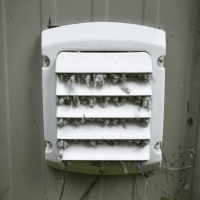
Scenario: A Bayonne townhouse owner finds pigeons nesting in a rooftop vent. The owner installs a DIY net without checking for chicks. A chick falls, is injured, and an adult bird is killed by the netting. The owner receives a notice from municipal animal control and must pay for wildlife rescue and roof repair. A better approach: follow the R.E.M.O.V.E. checklist—confirm nest status, secure non-breeding-season exclusion, and consult animal control for humane removal if chicks are present.
Practical tips (actionable)
- Confirm species and nesting status before any interference; avoid action during breeding season when chicks or eggs may be present.
- Use PPE: gloves, eye protection, and a well-fitted respirator if cleaning droppings or nests to reduce disease exposure.
- Address attractants first: seal food sources, fix vents, secure trash, and remove easy perching spots.
- When using deterrents, choose reversible, humane options and follow manufacturer and building-safety instructions.
- Contact Bayonne Animal Control or a licensed wildlife professional for removals involving protected species, injured animals, or uncertainty about legal rules.
Trade-offs and common mistakes
Trade-offs
DIY removal can save money but increases legal and safety risks. Hiring a licensed professional costs more but reduces liability, ensures humane practices, and typically produces longer-lasting results.
Common mistakes
- Assuming all birds and animals are unprotected—this leads to fines if protected species are harmed.
- Removing nests during the breeding season and causing orphaning or mortality.
- Using poison or unapproved chemicals that endanger pets, children, and non-target wildlife.
- Improper installation of exclusion devices that create new hazards or fail to prevent return.
Where to get help
Contact Bayonne municipal animal control, Hudson County resources, licensed nuisance wildlife professionals, or wildlife rehabilitators for injured animals. For legal questions about protected species, the U.S. Fish & Wildlife Service and New Jersey Department of Environmental Protection provide guidance on permits and restrictions.
Core cluster questions
- How to identify protected bird species in New Jersey
- When is removal of a bird nest legal in Bayonne?
- What safety gear is needed for cleaning bird droppings?
- How to prevent pigeons from nesting on rooftops humanely
- Who enforces animal control rules in Bayonne, NJ?
FAQ
What are the risks of DIY bird removal Bayonne?
Risks include violating federal or state wildlife laws, injuring or killing protected species, exposure to zoonotic diseases, personal injury from falls or bites, and ineffective solutions that cause recurring problems. Following the R.E.M.O.V.E. checklist and consulting authorities reduces these risks.
Is it illegal to remove a bird nest in New Jersey?
Some species and nests are protected under federal and state law, and removal during breeding season can be restricted. Check state guidance and consult the U.S. Fish & Wildlife Service or the New Jersey Department of Environmental Protection for specifics before acting.
When should a professional be called for wildlife removal?
Call a licensed professional when dealing with protected species, injured animals, potentially hazardous droppings, or roof and structural access that could be dangerous. Professionals have permits, training, and insurance.
How can recurring bird problems be prevented?
Eliminate food and shelter sources, seal entry points, install humane exclusion devices properly outside breeding seasons, and maintain building repairs. Integrated measures prevent habituation and recurrence.
What safety measures protect people and pets during removal?
Wear gloves, eye protection, and an appropriate respirator when cleaning droppings; avoid direct contact with wild animals; isolate affected areas; and disinfect surfaces following public health guidance. When in doubt, seek professional cleanup services.