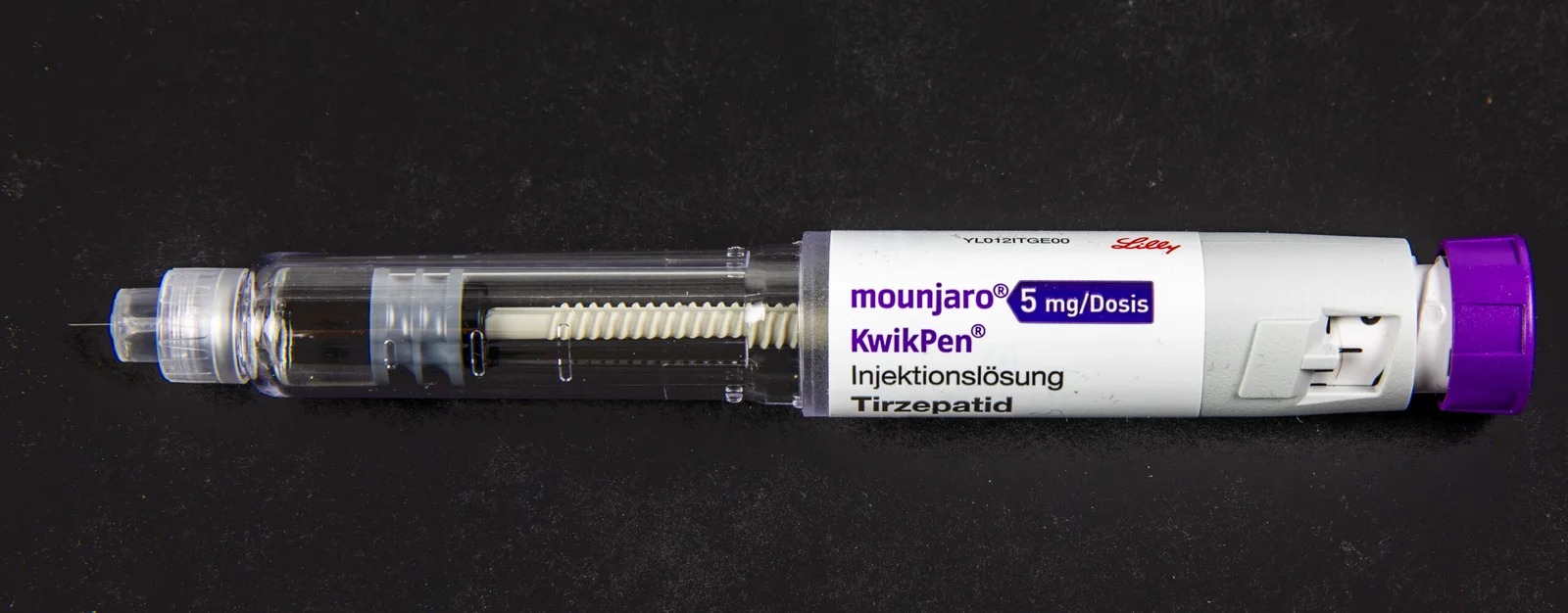
Semaglutide for Weight Loss: How It Works, Safety Checklist, and Practical Guidance
-

- March 07th, 2026
- 632 views
Semaglutide for weight loss is a prescription treatment option that has changed how clinicians approach obesity and chronic weight management. This guide explains what semaglutide does, who may benefit, expected results, safety considerations, and practical steps patients and clinicians can take. The explanation covers mechanisms, dosing concepts, monitoring, common mistakes, and a named checklist to use in clinical or personal planning.
Semaglutide for weight loss is a glucagon-like peptide-1 (GLP-1) receptor agonist that reduces appetite and can produce significant, sustained weight loss when combined with lifestyle changes. Most people see measurable weight loss over months; side effects are common but usually manageable. Use the SAFE checklist below to assess suitability and monitoring needs.
Detected intent: Informational
What is semaglutide for weight loss?
Semaglutide is a GLP-1 receptor agonist originally developed for blood glucose control in type 2 diabetes. At higher, established doses it is approved for chronic weight management in adults with excess weight or obesity. The drug acts on brain appetite centers to reduce hunger, slows gastric emptying, and alters glucose metabolism—mechanisms that together support reduced calorie intake and weight loss.
How semaglutide works (mechanism and expected results)
Mechanism of action
Semaglutide mimics the naturally occurring incretin hormone GLP-1. By activating GLP-1 receptors in the hypothalamus and other brain regions, it reduces appetite and food intake. It also slows gastric emptying and improves insulin secretion and sensitivity, which helps regulate blood sugar levels.
Clinical outcomes and timeline
Clinical trials and prescribing information show many people lose a clinically meaningful amount of weight (often 5–15% of baseline weight or more) over 6–18 months when medication is combined with diet and activity changes. Individual response varies with baseline BMI, adherence, and concurrent treatments.
Who is a typical candidate and contraindications
Candidates often include adults with a BMI >=30 kg/m2 or BMI >=27 with weight-related conditions (e.g., hypertension, type 2 diabetes). Contraindications may include personal or family history of medullary thyroid carcinoma or multiple endocrine neoplasia type 2, and known hypersensitivity. Discuss pregnancy planning: semaglutide is not recommended during pregnancy.
Safety, side effects, and monitoring
Common side effects
Common adverse effects include nausea, vomiting, diarrhea, constipation, and abdominal pain—these are usually dose-related and more frequent during dose escalation. Watch for signs of pancreatitis, gallbladder disease, and significant gastrointestinal intolerance. For evidence-based regulatory details, see the FDA's drug approval and guidance summaries: FDA announcement on approval for chronic weight management.
Monitoring and follow-up
Recommended monitoring includes baseline assessment of BMI, metabolic parameters (fasting glucose or A1c), renal function if risk factors exist, and periodic review of symptoms. Titrate dose gradually per prescribing guidance to reduce gastrointestinal side effects, and plan regular follow-up to assess effectiveness and tolerability.
SAFE checklist for semaglutide use
Use this named framework to evaluate readiness and monitor treatment:
- Screening: Confirm BMI criteria, rule out contraindications, assess pregnancy status.
- Aims: Define measurable weight and metabolic goals, timeframes, and lifestyle targets.
- Follow-up: Schedule dose escalation appointments, side-effect checks, lab monitoring.
- Education: Counsel on expected effects, food intake changes, hypoglycemia risk if on insulin, and when to seek care.
Practical dosing concepts and the semaglutide dosage for weight loss
Dosing typically starts low and increases gradually to a maintenance dose to balance effectiveness with tolerability. Exact regimens vary by product and indication; follow prescribing information and clinician guidance. The phrase semaglutide dosage for weight loss refers to those higher, chronic weight-management dosing strategies distinct from diabetes dosing.
Short real-world example
Example scenario: A 42-year-old with BMI 33 begins semaglutide with an initial low dose. Over 16 weeks, appetite decreases and portion sizes shrink; mild nausea during month one resolves with slower titration. At 6 months the patient has lost 10% of baseline weight and metabolic markers improved. Ongoing follow-up adjusts dose and nutrition plan.
Practical tips for safer, more effective use
- Start with slow dose escalation to reduce nausea—follow the medication-specific titration schedule.
- Combine medication with a structured nutrition plan and progressive physical activity for best results.
- Keep hydrated and maintain small, frequent meals during initial weeks to manage gastric symptoms.
- Report severe abdominal pain or persistent vomiting promptly—these can signal complications like pancreatitis.
- Review all medications and supplements with a clinician to reduce interaction risks.
Trade-offs and common mistakes
Trade-offs
Benefits include significant weight loss and metabolic improvement; trade-offs include cost, need for long-term use to maintain weight, and side effects. Some people regain weight if treatment stops, so planning for maintenance or transition strategies is essential.
Common mistakes
- Expecting rapid, one-time weight loss—effective results typically occur over months with combined lifestyle change.
- Stopping medication abruptly without a clinician plan, which can lead to weight regain.
- Overlooking contraindications or failing to report family thyroid cancer history.
Core cluster questions
- How does semaglutide reduce appetite and lead to weight loss?
- What are the common side effects and how are they managed?
- Who qualifies for prescription semaglutide for obesity?
- How should semaglutide be combined with diet and exercise for best results?
- What monitoring is required while taking semaglutide?
Alternatives and comparative considerations
Other GLP-1 receptor agonists and weight-loss medications exist; bariatric surgery is an option for some. Choice depends on BMI, comorbidities, prior treatment response, and patient preferences. Discuss differences in effectiveness, side-effect profiles, and long-term plans with a clinician.
Cost, access, and practical barriers
Insurance coverage varies widely; some plans require documentation of prior weight-management attempts. Cost and supply constraints may be barriers. Discuss financial assistance programs, formularies, and alternatives with a clinician or pharmacist.
FAQ
What is semaglutide for weight loss?
Semaglutide for weight loss is a prescription GLP-1 receptor agonist approved at specific doses for chronic weight management in adults with obesity or overweight and weight-related conditions. It reduces appetite and calorie intake, leading to sustained weight loss when combined with lifestyle changes.
How long does it take to see weight loss with semaglutide?
Most people notice some appetite reduction in the first weeks, with measurable weight loss typically appearing within 8–12 weeks and continuing over 6–18 months. Individual response varies.
What are common side effects of semaglutide?
Common side effects include nausea, vomiting, diarrhea, constipation, and abdominal discomfort. These are often dose-related and lessen with gradual titration.
Can semaglutide be used with diabetes medications?
Yes — semaglutide was initially developed for type 2 diabetes and may be used with other glucose-lowering drugs. Adjustments and monitoring are required, especially with insulin or sulfonylureas, to reduce hypoglycemia risk.
How is success measured while using semaglutide?
Success is measured by percent weight loss, improved metabolic markers (A1c, blood pressure, lipids), and achievement of individualized functional or health goals. Regular follow-up and the SAFE checklist help track progress.