How the Coffee Trick Can Help Weight Loss: A Practical, Safe Guide
-

- Published Updated
- 469 views
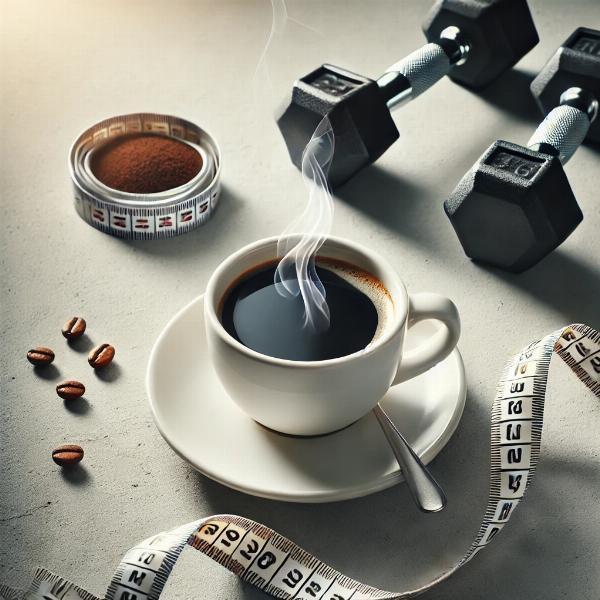
The coffee trick to lose weight is the practice of using moderate coffee—usually black or lightly sweetened—at specific times to reduce appetite, support short-term calorie control, and boost energy for workouts. This guide explains what the trick actually does, when it helps, and how to use it safely alongside a sensible calorie plan.
- Detected dominant intent: Informational
- What it is: timed coffee intake (often before exercise or between meals) to blunt appetite and improve performance.
- Short-term effects: modest appetite suppression and small increases in energy expenditure; not a standalone weight-loss solution.
- Use the C.A.F.E. framework (Caffeine timing, Add-ins, Food context, Evaluate results).
coffee trick to lose weight: what it is and how it works
At its core, the coffee trick to lose weight relies on caffeine’s physiological effects—central nervous system stimulation, mild thermogenesis (small increases in metabolic rate), and appetite suppression—to support a calorie deficit and better workout performance. The trick is not a magic cure: meaningful weight loss requires sustained energy balance (calories in vs. calories out), quality sleep, and consistent activity. Coffee can be an adjunct that makes those steps easier when used correctly.
Mechanisms and realistic effects
Caffeine increases alertness, raises resting metabolic rate slightly, and can reduce perceived effort during exercise. Some people notice reduced hunger for a few hours after a cup. These effects can help with short-term calorie control and higher-intensity workouts—both useful for weight-loss programs. However, tolerance to caffeine develops, and the body’s adaptive responses usually mean the long-term weight-impact of coffee alone is small.
Evidence and safety boundaries
Clinical evidence shows caffeine can produce small increases in energy expenditure and modest appetite suppression, but public health guidance emphasizes overall diet, activity, and behavior change as primary drivers of weight loss. For official guidance on healthy weight strategies and recommended approaches, consult the NHS healthy weight guidance: NHS healthy weight guidance. People with heart conditions, high blood pressure, pregnancy, or caffeine sensitivity should consult a clinician before increasing intake.
C.A.F.E. Framework: a checklist to use coffee safely for weight goals
This named framework provides a concrete checklist that turns the idea into a reproducible routine. Use the C.A.F.E. Framework whenever testing the coffee trick.
- C — Caffeine timing: Drink 30–60 minutes before exercise or between meals when appetite tends to spike. Avoid late-afternoon or evening cups to protect sleep.
- A — Add-ins: Minimize sugar and high-calorie creamers. One tablespoon of cream adds ~50 calories; flavored syrups add more. Prefer black coffee, small amounts of milk, or noncaloric options.
- F — Food context: Pair coffee with balanced meals earlier in the day; do not skip meals expecting coffee to replace nutrients. Use coffee as an appetite blunter, not a substitute for protein and fiber.
- E — Evaluate results: Track hunger, energy, sleep, and body metrics for 2–4 weeks. If sleep worsens or appetite rebounds, adjust or stop the strategy.
Short real-world example
A 35-year-old office worker adds a 150–200 mg caffeine cup (about a strong 8–12 oz brewed coffee) 45 minutes before a 30-minute brisk walk after work. Appetite is slightly reduced, the walk intensity increases, and evening snacking drops from two episodes to one. After four weeks, weight is down 3–4 pounds while overall calories were reduced by replacing a sugary evening snack with water and a protein-rich dinner.
Practical tips for trying the coffee approach
- Limit to 1–2 cups (about 75–200 mg caffeine total) earlier in the day to reduce sleep disruption and jitteriness.
- Skip sugary add-ins; use small amounts of milk or a dash of cinnamon for flavor instead of sugar or syrups.
- Time a coffee before a workout or during a mid-afternoon slump to boost performance and reduce snack cravings.
- Monitor side effects: palpitations, anxiety, stomach upset, or poor sleep are signs to lower intake.
- Pair with protein-rich meals and fiber; coffee isn’t a meal replacement and works best within a broader calorie-aware plan.
Trade-offs and common mistakes
Common mistakes include assuming coffee by itself will cause major weight loss, adding high-calorie sweeteners and creams that cancel any calorie savings, using coffee to skip meals (which can increase overeating later), and drinking late-day coffee that harms sleep and indirectly raises appetite. Over-reliance can also mask underlying behavioral issues—like emotional eating—that require different strategies.
Core cluster questions
- How much caffeine is safe per day for weight management?
- Does black coffee suppress appetite or just mask it temporarily?
- What is the best time to drink coffee for weight loss and workouts?
- How do coffee add-ins affect the calorie math of the trick?
- When should caffeine be avoided because it undermines weight goals?
How to test the coffee trick responsibly
Run a four-week self-experiment: follow the C.A.F.E. Framework, record baseline weight and typical calories or meal patterns, then introduce timed black coffee as described. Use a simple log for sleep, appetite, workout quality, and weight. Adjust if adverse effects appear. This transforms an anecdote into a small, controlled test and clarifies whether it helps personally.
FAQ: Does the coffee trick to lose weight really work?
It can help modestly by suppressing appetite and improving workout intensity, which may support a calorie deficit. The effect size is usually small and short-term; sustainable weight loss depends on overall diet and activity patterns. If caffeine causes sleep problems, anxiety, or palpitations, the negatives outweigh potential benefits.
How much coffee is safe to use for this purpose?
For most adults, 200–400 mg of caffeine daily is considered moderate (roughly 2–4 cups of brewed coffee), but individual tolerance varies. Pregnant people, people with certain heart conditions, or those on specific medications should follow medical advice. Start low and watch sleep and anxiety.
Will adding milk or creamer ruin the effect?
Add-ins add calories. A few teaspoons of milk will have small impact, but sugar and heavy creamers quickly negate any calorie savings from appetite suppression. Count those calories in the daily budget if weight loss is the goal.
Can coffee replace breakfast or other meals for weight loss?
No. Skipping meals using coffee can create nutrient gaps and trigger overeating later. Coffee is best used as an adjunct to improve appetite control and exercise performance while keeping meals balanced.
What are the warning signs to stop the coffee trick?
Stop or reduce intake if sleep quality declines, anxiety increases, heart palpitations occur, or appetite control becomes worse over time. Also discontinue if reliance on coffee masks unhealthy behaviors that need direct attention (for example, disordered eating patterns).
Related terms and entities mentioned: caffeine, thermogenesis, appetite suppression, pre-workout caffeine, black coffee, chlorogenic acid, tolerance, NHS guidance.