Finalizing Interior for Luxurious Bungalows: A Practical Checklist and Design Guide
-

- March 08th, 2026
- 196 views

Get a free topical map and start building content authority today.
Finalizing interior for luxurious bungalows requires balancing aesthetics, performance, and delivery: selection of finishes, lighting and layout, mechanical coordination, and procurement scheduling must align with budget and the client’s lifestyle. This guide explains the essential decisions, provides a named framework and checklist, and shows practical trade-offs to avoid costly delays.
Quick actions: confirm the finish schedule, lock major fixtures and millwork, finalize electrical and lighting circuits, approve cabinetry and hardware samples, and create a phased procurement plan. Use the REFINE framework below to coordinate stakeholders and reduce rework.
Detected intent: Informational
Primary keyword: finalizing interior for luxurious bungalows
Secondary keywords: luxury bungalow material selection; bungalow lighting and layout; bungalow finishes and fixtures
Checklist for finalizing interior for luxurious bungalows
Use the following checklist when closing decisions for a luxury bungalow interior. This is a practical, prioritized set of items that reduces scope creep and design ambiguity.
- Confirm spatial plan and door/window schedule (final dimensions for joinery and millwork).
- Approve finish schedule: floors, walls, ceilings, trim, and exterior transitions.
- Lock lighting plan and electrical circuits; order critical fixtures with long lead times.
- Coordinate MEP (mechanical, electrical, plumbing) with finish depths and ceiling heights.
- Approve FF&E (furniture, fixtures & equipment) and create procurement timelines.
- Set quality standards for installation tolerances and warranty coverage.
REFINE framework: a named model for decisions
Use the REFINE framework to structure the decision process and handoffs. It is designed to be repeatable across projects and teams:
- R — Requirements: Confirm program, occupancy, accessibility, and acoustic needs.
- E — Envelope: Verify thermal, weatherproofing, and fenestration details for bungalow proportions.
- F — Finishes: Select materials, color palette, and performance (slip resistance, wear rating).
- I — Installations: Coordinate MEP, HVAC zoning, and lighting controls with finishes.
- N — Narrative: Ensure the design story (modern-luxe, classic, transitional) is consistent across furnishings and fixtures.
- E — Execution: Create procurement, mockup, and quality-check stages before full installation.
Key areas to decide before construction or handover
1. Materials and finishes (luxury bungalow material selection)
Material choices determine both perceived luxury and long-term maintenance. Specify wear ratings for flooring, finish samples for cabinetry, and surface treatments for wet areas. A finish schedule (FFS) should list product codes, installation instructions, and approved alternates.
2. Lighting, electrical and layout (bungalow lighting and layout)
Lighting design defines ambiance and functionality. Finalize fixture locations, dimming zones, layered lighting (ambient, task, accent), and daylighting strategies. Coordinate control systems early to avoid rework in ceilings and bulkheads.
3. Millwork and bespoke elements
Custom cabinetry, built-ins, and architectural millwork are signature features in luxurious bungalows. Produce full-scale mockups for veneers, hardware, and edge details. Lock hinge, drawer slide types and soft-close requirements to match the design quality.
4. MEP coordination and ceiling integration
Mechanical registers, access panels, and service risers must be integrated with ceiling and millwork depths. Confirm HVAC zoning that matches comfort expectations and acoustical strategies for high-ceiling living spaces.
Short real-world example
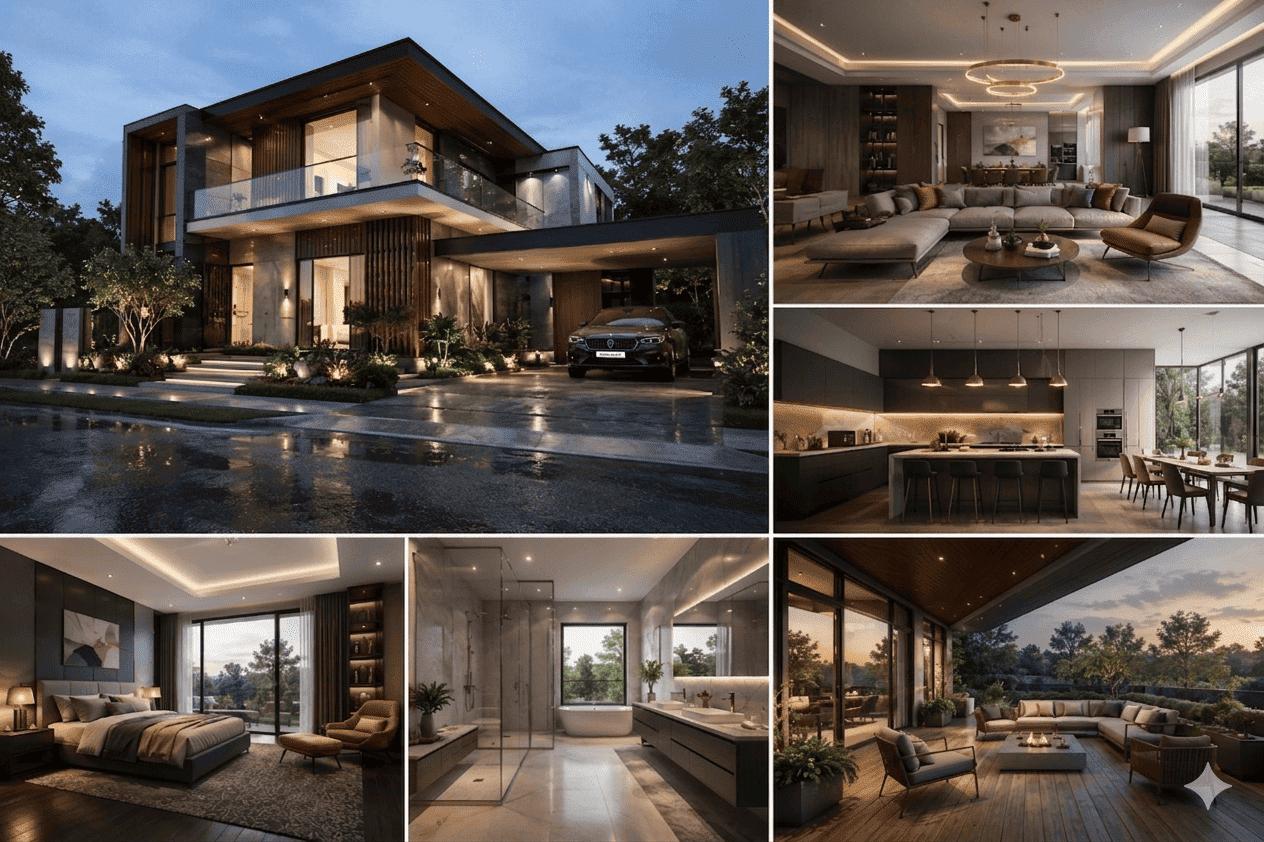
Scenario: A 2,800 sq ft bungalow with vaulted living room, open kitchen, and three bedrooms. The client requests a modern-luxe aesthetic with warm woods, stone countertops, and passive daylighting. Using REFINE, the team locked the finish palette early, ordered long-lead stone slabs and custom lighting fixtures during schematic design, and created cabinetry mockups. Early MEP coordination avoided a mid-install relocation of an HVAC return that would have required removing finished millwork.
Practical tips for smoother delivery
- Order long-lead items (stone slabs, custom ironwork, specialty lighting) as soon as finishes are approved to prevent schedule slips.
- Create a finish mockup wall for material approvals under real light conditions before committing to full runs.
- Digitally coordinate MEP with millwork in a combined model or detailed 2D overlays to detect clashes early.
- Specify maintenance and care instructions in the handover package to protect warranties and finish longevity.
Common mistakes and trade-offs when finalizing interiors
Trade-offs are unavoidable; document them. Typical mistakes include:
- Choosing aesthetics without confirming performance — expensive materials may not suit heavy-use zones.
- Late lighting decisions — moving switch locations or changing fixture types after drywall increases cost substantially.
- Underestimating lead times — premium fixtures and custom cabinetry can add 6–12 weeks or more.
- Not coordinating MEP and finishes — leads to on-site modifications that damage finished surfaces.
Core cluster questions
- How should a finish schedule be organized for a luxury bungalow?
- What are realistic lead times for custom millwork and natural stone?
- How to coordinate lighting zones and control systems in a bungalow plan?
- Which materials work best for high-traffic bungalow entryways and mudrooms?
- What quality checks and mockups should be completed before installation?
Standards, safety and accessibility considerations
Comply with local building codes and accessibility guidelines early in design. For specific code guidance on enclosures, egress, and safety systems, consult official code organizations such as the International Code Council. Also review industry best practices from professional organizations like the American Society of Interior Designers (ASID) and the International Interior Design Association (IIDA) when planning spaces for universal access and safety.
Procurement and schedule management
Create a procurement timeline tied to the construction schedule. Prioritize items that affect follow-on work: bulk stone, millwork carcasses, roofing materials that alter interior humidity, and custom doors. Implement staged deliveries and on-site storage plans to avoid damage to premium finishes.
Handover, warranties and maintenance
Prepare a handover manual that lists warranties, cleaning procedures, and replacement product codes. Include contact information for installers and a schedule for any required post-occupancy tune-ups (lighting calibration, HVAC balancing).
Final check before occupancy
- Complete a punch list and verify all items against the finish schedule.
- Run lighting and mechanical systems through full operational cycles.
- Confirm documentation for warranties and maintenance has been handed over to the owner.
FAQ
What are the key steps to finalizing interior for luxurious bungalows?
Confirm program and spatial plan, approve a complete finish schedule, lock lighting and electrical circuits, coordinate MEP with millwork, order long-lead and custom items early, and execute quality mockups before full installation.
How long should selection and procurement take for custom elements?
Allow 6–12 weeks for custom millwork and natural stone fabrication; specialty lighting and imported fixtures can take longer. Build contingency into the schedule and order critical items during schematic or early design development.
When should MEP be fully coordinated with finishes?
MEP should be coordinated before ceiling construction and final millwork installation. Use coordinated drawings or BIM overlays to detect clashes and confirm access panels and service zones.
How to balance aesthetics and durability in material choices?
Define use zones (high, medium, low traffic) and select materials with appropriate performance ratings for each zone. Use premium materials where they deliver value and choose durable, cost-effective options in utility areas.
Can finishing decisions be changed late in the project?
Late changes are possible but costly. Minor finish swaps may be manageable; changes that affect dimensions, MEP, or long-lead items will increase cost and risk delays. Follow the REFINE framework to minimize late-stage revisions.