When Is Air Duct Cleaning Essential in Allentown: A Practical Guide & Checklist
-
- May 12th, 2026
- 192 views

Get a free topical map and start building content authority today.
Detected intent: Informational
The question of when is air duct cleaning essential in Allentown matters for homeowners and property managers who want healthy indoor air without unnecessary service costs. This guide defines the triggers that make duct cleaning necessary, gives a named checklist to evaluate need, outlines trade-offs and common mistakes, and includes practical, local-minded tips for Allentown properties.
- Air duct cleaning is essential when ducts show visible mold, pest infestation, or after significant contamination events (flooding, construction debris).
- Routine cleaning without specific triggers typically has limited benefits; focus on targeted interventions: coil cleaning, filter upgrades, and source control.
- Use the CLEAR DUCT checklist to evaluate need and document findings before scheduling work.
When is air duct cleaning essential in Allentown
What “essential” means and when to act
Air duct cleaning becomes essential when ducts contribute directly to a health, safety, or performance problem that cannot be fixed by simpler steps. Common essential triggers include visible mold growth inside ducts or on components, evidence of rodent or insect infestation inside ductwork, substantial dust and debris blocking airflow after a renovation or flood, or persistent airborne contamination tied to the HVAC system.
How local conditions in Allentown change the calculus
Allentown's mix of older housing stock and occasional basement flooding after heavy storms raises the chance that ducts may need targeted cleaning. Renovations in older homes (attic-to-living conversions, new HVAC installations) and seasonal pollen loads are local factors that increase the need for a duct inspection. Guidance from the U.S. Environmental Protection Agency notes that duct cleaning is only clearly warranted in specific conditions such as those listed above (EPA guidance).
CLEAR DUCT checklist (named framework)
Use the CLEAR DUCT checklist to decide if cleaning is essential. Follow each step and document findings before hiring services.
- Check for visible mold on registers, coils, or duct surfaces.
- Look for signs of infestation: droppings, nests, or chewed insulation.
- Evaluate recent events: flooding, extensive renovations, or water leaks.
- Assess airflow and dust: large drops in airflow or thick dust clouds when vents are opened.
- Review occupant symptoms: new or worsening allergies, persistent odor linked to the HVAC system.
Real-world example
Scenario: A 1950s bungalow in central Allentown experienced a basement sewer backup. After cleanup, occupants noticed a musty odor in upstairs rooms and visible soot-like dust around vents. Using the CLEAR DUCT checklist revealed visible mold on the return grille and reduced airflow. In this scenario, targeted duct cleaning and coil disinfection were essential components of restoring safe indoor air.
Signs that make cleaning essential (detailed triggers)
- Visible mold growth inside ducts or on HVAC components that can be accessed.
- Active rodent or insect infestation inside ductwork.
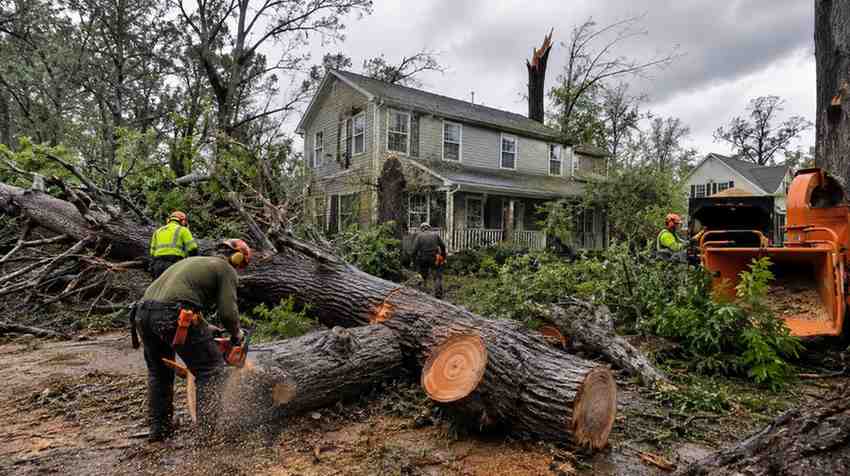
- Post-disaster contamination: widespread debris after flooding, fire, or major renovation.
- Persistent system-related odors that do not resolve with filter changes and source control.
- Severe dust loading that reduces system performance despite filter maintenance.
Practical tips before calling a cleaner
- Photograph and document visible issues (mold, droppings, insulation damage) to show any contractor; this creates a record and helps get accurate estimates.
- Replace or upgrade filters (e.g., MERV 8–13 for many homes) and check blower/coil cleanliness first; many performance issues are solved without full duct cleaning.
- Address the source: fix leaks, dry wet areas, and seal duct entry points to prevent recontamination.
- Ask for a written scope of work that specifies containment, vacuum equipment, and post-cleaning verification steps.
- Get multiple quotes and avoid contractors who guarantee permanent removal of allergens—no cleaning permanently prevents future buildup if sources remain.
Common mistakes and trade-offs
Common mistakes when deciding on duct cleaning:
- Hiring routine whole-home duct cleaning without specific triggers—this often yields marginal benefit and unnecessary expense.
- Failing to fix the underlying source (water intrusion, pests); cleaning alone can be temporary and wasteful.
- Choosing services that use inadequate vacuuming or that merely dislodge debris into living spaces. Proper jobs use negative pressure and HEPA filtration.
Trade-offs to consider:
- Cost vs. benefit: Targeted cleaning (contaminated areas, coils, returns) costs less and directly addresses problems compared with whole-system cleaning.
- Time and disruption: Full-service duct cleaning can require access panels and substantial equipment setup; weigh this against health urgency.
- Chemical treatments: Biocides may be appropriate for some mold cases but bring regulatory and health considerations; always use products registered for HVAC use and document application.
Inspection steps and what to expect from a professional
Before hiring, request a duct inspection report that includes photos and a clear recommendation. A professional inspection should inspect filter condition, access to duct interiors, signs of contamination, and the mechanical condition of fans and coils. Expect a scoped proposal describing containment, negative-pressure vacuuming, and cleanup verification.
Core cluster questions
- How often should ducts be inspected in older Allentown homes?
- What are the signs of mold in HVAC ducts and how is it confirmed?
- When should ducts be cleaned after a basement flood or water intrusion?
- What is the difference between coil cleaning and duct cleaning for indoor air quality?
- How to document HVAC contamination before and after cleaning?
Practical closing tips for Allentown properties
1) Prioritize inspections after any water event and use the CLEAR DUCT checklist. 2) Upgrade filters and maintain the system—often the simplest, most cost-effective step. 3) When contamination is verified, choose scoped, documented work with negative-pressure containment.
FAQ
When is air duct cleaning essential in Allentown?
Air duct cleaning is essential when there is visible mold inside ducts, active infestation, contamination from flooding or fire, or persistent system-related odors and reduced airflow unresolvable by filters and source control.
Will routine duct cleaning improve allergies?
Routine cleaning without specific contamination triggers usually provides limited allergy relief. Focus on source control, filtration upgrades (appropriate MERV), humidity control, and cleaning coils and returns where dust accumulates.
How soon should ducts be cleaned after basement flooding?
Arrange an inspection immediately after drying and basic cleanup. If water reached HVAC components or insulation and mold growth is visible or suspected, cleaning and component replacement should happen as soon as contamination is confirmed.
How to verify work after duct cleaning?
Request before-and-after photos, a scope verification checklist, and evidence of negative-pressure vacuuming and HEPA filtration. Verify that source issues (leaks, pests) were addressed to avoid recurrence.