Where to Find the Best Sushi in Santa Monica: Top Spots, How to Choose, and Practical Tips
-

- Published Updated
- 712 views
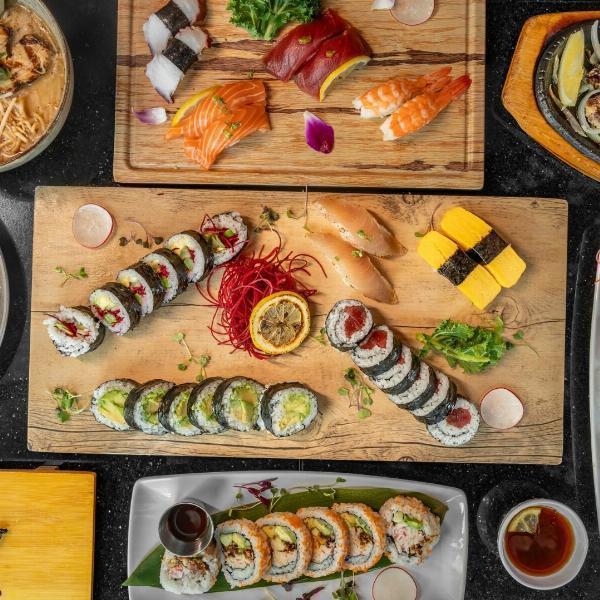
Searching for the best sushi in Santa Monica means balancing freshness, chef skill, sourcing, and the style of meal—omakase, nigiri, or a casual sushi bar. This guide explains how to find quality sushi near the pier and across Santa Monica, what to look for at the counter, and practical steps to pick the right experience.
- Detected intent: Informational
- Primary focus: locating and evaluating the best sushi in Santa Monica
- Includes a named SUSHI Quality Checklist, booking tips, and safety guidance
best sushi in Santa Monica: What matters most
Finding the best sushi in Santa Monica often comes down to four factors: fish freshness and sourcing, rice seasoning and temperature, chef technique (especially for nigiri and omakase), and hygiene/food-safety practices. Freshness and sourcing affect flavor and safety; techniques like rice texture and knife work determine mouthfeel; and a visible clean sushi bar suggests consistent standards.
Where to look: styles and neighborhoods
Santa Monica offers a range of sushi experiences: intimate omakase counters, family-run sushi bars, and fusion restaurants near the pier and along Wilshire and Third Street Promenade. Those seeking a high-end tasting-style meal should search for Santa Monica sushi omakase listings; casual diners may prefer sashimi near Santa Monica Pier or a neighborhood sushi restaurant with strong reviews.
Types of sushi to match taste and budget
- Omakase: Tasting-menu format led by the chef—best for tasting seasonal or premium fish.
- Nigiri: Fish over hand-pressed rice—shows chef skill in rice and fish pairing.
- Sashimi: Sliced raw fish—focuses entirely on fish quality.
- Rolls and fusion: More casual, often value-oriented but variable in quality.
SUSHI Quality Checklist (named framework)
Use the SUSHI Quality Checklist before booking or ordering to evaluate a spot quickly.
- Source: Look for signs of reputable sourcing (local fish market names, sustainable labels).
- Usage: Check menu seasonality—daily/market specials indicate fresh rotation.
- Sanitation: Visible cleanliness at the counter and staff hygiene.
- Handwork: Knife cuts, rice texture, and portioning reveal technique.
- Information: Staff can explain origin of fish and recommended pairings.
Real-world example
Scenario: Two diners want an omakase experience. The party calls ahead and asks whether the chef uses wild or farmed tuna and if there are seasonal specialties. The restaurant describes a daily seafood list, notes a short omakase seating, and confirms a clear walk-up counter—this indicates a higher chance of an intentionally prepared tasting sequence and fresh sourcing.
Core cluster questions
- How to choose between omakase and a sushi bar in Santa Monica?
- What signals indicate fresh sashimi at a Santa Monica restaurant?
- When should reservations be made for omakase in Santa Monica?
- Which neighborhoods in Santa Monica have the best sushi variety?
- How to verify sustainable seafood sourcing at local sushi restaurants?
Practical tips for booking and ordering
- Reserve omakase seats at least several days in advance for weekend evenings; ask about menu length and constraints.
- Order nigiri early in the meal to taste the chef’s rice and fish technique before heavy sauces are served.
- Ask the server where the fish is sourced—honest answers about suppliers or market days are a positive sign.
- Opt for a few sashimi pieces if unsure; sashimi exposes any issues with fish quality more directly than heavily sauced rolls.
Trade-offs and common mistakes
Choosing the highest-rated restaurant does not guarantee the best fit. Trade-offs include price vs. experience: omakase delivers chef-driven quality but is costlier; casual sushi bars offer value but vary in technique. Common mistakes: relying solely on star ratings without reading recent reviews, ordering elaborate rolls as a first test of quality, or visiting at off-peak times when the fish selection may be limited.
Food safety and consumer guidance
When eating raw fish, basic safety matters. Many restaurants follow FDA and state health guidelines on handling and freezing fish to reduce parasite risk. For authoritative consumer-level seafood safety information, consult the U.S. Food and Drug Administration guidance on seafood and handling practices: FDA Seafood Safety.
Practical tips (3–5 actionable points)
- Call ahead and ask about daily specials and whether the chef recommends nigiri or sashimi—this reveals how the menu is curated.
- Look for a small, busy sushi counter with turnover; fresh fish correlates with steady demand.
- Bring a small group for omakase to sample more items and spread cost while experiencing chef variety.
- If uncertain, start with a sashimi sampler—freshness is most evident without rice or sauce.
How to decide your best sushi in Santa Monica: a quick plan
Step 1: Identify desired style (omakase, nigiri, casual rolls). Step 2: Use the SUSHI Quality Checklist while scanning menus and reviews. Step 3: Call and ask sourcing questions. Step 4: Book reservations for evenings and arrive early for walk-up counters to assess fish displays.
Frequently Asked Questions
Where can I find the best sushi in Santa Monica?
Look for places with daily market lists, an active sushi counter, and clear answers about fish sourcing. Omakase counters and specialty nigiri bars frequently produce the highest-quality plates, while neighborhood sushi bars provide consistent, approachable options.
Is Santa Monica sushi omakase worth the price?
Omakase offers a curated tasting of seasonal fish and chef technique; it is worth the price for those seeking a chef-driven experience and premium cuts, but casual diners may prefer pay-per-item nigiri or sashimi samplers for value.
How can freshness be judged when ordering sashimi near Santa Monica Pier?
Fresh sashimi should have a clean smell (not fishy), firm texture, and vivid color. Staff should be willing to explain when fish arrived and whether it is line-caught, wild, or farmed.
What are common mistakes when choosing a sushi spot in Santa Monica?
Common mistakes include judging solely by decor or price, ordering complex rolls first, and ignoring food-safety signs like closed display cases or inconsistent staff answers about sourcing.
Can a restaurant’s health inspection rating predict sushi quality?
Health inspection ratings indicate sanitation but do not measure culinary skill or sourcing. A good rating is necessary for safety, but evaluating chef technique and turnover provides a fuller picture of quality.
Related Articles