How to Choose Where to Have a Hair Transplant in the UK: Clinics, Costs, and Checklist
-

- April 19th, 2026
- 148 views

Get a free topical map and start building content authority today.
Choosing a place for a hair transplant UK requires clear priorities: clinical safety, realistic results, and transparent pricing. This guide explains clinic types, how to evaluate surgeons, common techniques, and a practical checklist for selecting a provider anywhere in the UK.
Detected intent: Commercial Investigation
Key points: compare accredited clinics, check surgeon credentials (GMC/BAHRS), understand FUE vs FUT, budget for aftercare and travel, and use the CLINIC checklist below before booking.
Where to have a hair transplant in the UK: clinic types and regions
Options for a hair transplant UK range from specialist hair clinics in London and Manchester to regional cosmetic surgery centres and hospital-affiliated services. Major cities (London, Birmingham, Manchester, Glasgow) host large clinics with many surgeon options and high patient volume. Smaller towns may offer competent providers but expect fewer specialists and possibly travel for follow-up.
Clinic categories
- Specialist hair restoration clinics — focus entirely on hair surgery and follow-up care.
- Private cosmetic surgery centres — broader services that include hair transplant units.
- Clinic franchises or chains — standardised systems, variable individual surgeon experience.
- Hospital-affiliated practices — sometimes available for complex cases or patients who prefer NHS-affiliated care.
How to choose a clinic and surgeon
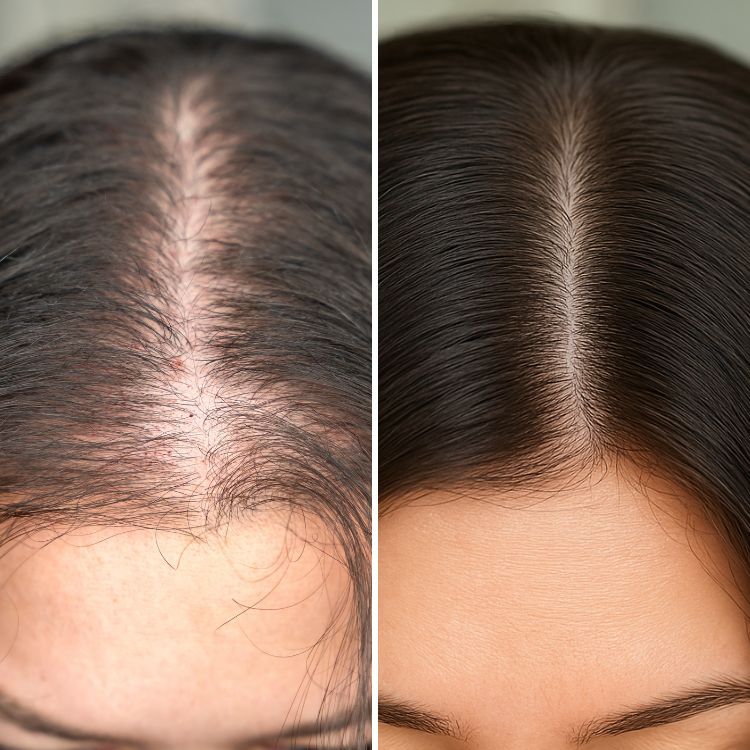
Choosing where to have a hair transplant in the UK should be based on credentials, outcomes, and aftercare rather than price alone. Look for surgeons registered with the General Medical Council (GMC) and those who follow industry best practice via professional bodies. Check before-and-after photos, read verified patient reviews, and ask for clear details of techniques (FUE, FUT) and expected graft counts.
Authoritative sources emphasise the value of accredited practitioners and informed consent; for a professional registry and guidance, consult the British Association of Hair Restoration Surgery (BAHRS).
British Association of Hair Restoration Surgery (BAHRS)
Red flags to avoid
- Surgeons without GMC registration or clinic advertising only price deals.
- Unclear staff roles — technician-led surgery without a named surgeon present.
- No written aftercare plan or follow-up visits included.
Costs, techniques, and what to expect
Typical hair transplant UK pricing depends on technique and graft numbers. FUE (follicular unit extraction) is commonly used and often priced per graft; FUT (strip) may be cheaper per graft but leaves a linear scar. Understand trade-offs: FUE archives quicker recovery and less visible scarring for many, while FUT can be efficient for very large sessions. Secondary keywords such as "best hair transplant clinics in the UK" and "hair transplant cost UK" appear in patient searches—use these terms when researching quotes and clinic comparisons.
Average cost factors
- Number of grafts required
- Clinic location and demand (London clinics often cost more)
- Surgeon experience and team size
- Included aftercare and any revisions
CLINIC checklist: a practical decision framework
Use the CLINIC checklist before booking a consultation:
- Credentials — Verify surgeon GMC registration and memberships (e.g., BAHRS).
- Location — Consider travel logistics and follow-up access.
- In-person consult — Always book a face-to-face assessment before surgery.
- Numbers — Ask specifically for graft estimates and expected density.
- Insurance & aftercare — Check included aftercare, revision policy, and emergency contact.
- Costs — Get a written quote with itemised costs and payment terms.
Real-world example
Scenario: A 35-year-old patient from Leeds chooses a London specialist after comparing three clinics. The chosen clinic provided an in-person assessment showing 2,200 FUE grafts, a two-year follow-up plan, and a surgeon who is a BAHRS member. The patient accepted a 2-day travel plan, booked the operation, and arranged remote check-ins with the clinic nurse at 1 week, 3 months, and 12 months.
Practical tips before booking
- Get at least two independent consultations and compare graft estimates, not just price.
- Ask to see recent, unedited patient photos and contactable references for similar cases.
- Confirm who performs the surgery — the named surgeon should be present for critical steps.
- Read the informed consent form carefully: know risks, timelines, and revision terms.
- Budget for travel and potential overnight stays if choosing a high-volume city clinic.
Common mistakes and trade-offs
Common mistakes include selecting purely on price, skipping a face-to-face consult, and ignoring the follow-up plan. Trade-offs are common: cheaper clinics may reduce costs by limiting follow-up, while high-end clinics may charge a premium for reputation and convenience. Acceptable trade-offs depend on personal priorities—value long-term outcomes and safety over short-term savings.
Trade-offs to consider
- Cost vs surgeon experience — more experience typically means higher cost.
- Convenience vs continuity of care — local clinics may be convenient but fewer specialist options exist outside big cities.
- Technique choice (FUE vs FUT) — balance scar visibility, recovery time, and graft yield.
Core cluster questions
- How to verify a hair transplant surgeon's credentials in the UK?
- What is the average recovery time after an FUE transplant?
- How many grafts are typically needed for a visible improvement?
- What aftercare is normally included with a hair transplant?
- When is a second procedure or revision usually needed?
FAQ
Is a hair transplant UK suitable for me?
Suitability depends on hair loss pattern, donor hair availability, and medical history. An in-person consultation with a qualified surgeon is the only reliable way to determine candidacy.
How much does a hair transplant cost in the UK?
Costs vary widely: small FUE sessions may start in the low thousands, while extensive restoration can exceed several thousand pounds. Obtain detailed quotes that list graft counts and aftercare to compare offers fairly.
What are the risks and how long is recovery?
Common risks include temporary numbness, swelling, infection or scarring. Recovery typically involves a few days of downtime and several months to see visible hair growth; full results often appear by 9–12 months.
How important is surgeon experience?
Surgeon experience strongly correlates with natural-looking results and lower revision rates. Check credentials, membership in relevant associations, and portfolio results for similar cases.
Can travel for a clinic affect aftercare?
Yes. Plan travel and remote follow-up with the clinic; verify who provides post-op care and emergency contacts. Many clinics offer local nurse partners for follow-up if travel is required.