Whole-Wheat Flour Market Supply Trends Shaping the Modern Food Industry.
-

- Published Updated
- 3,668 views
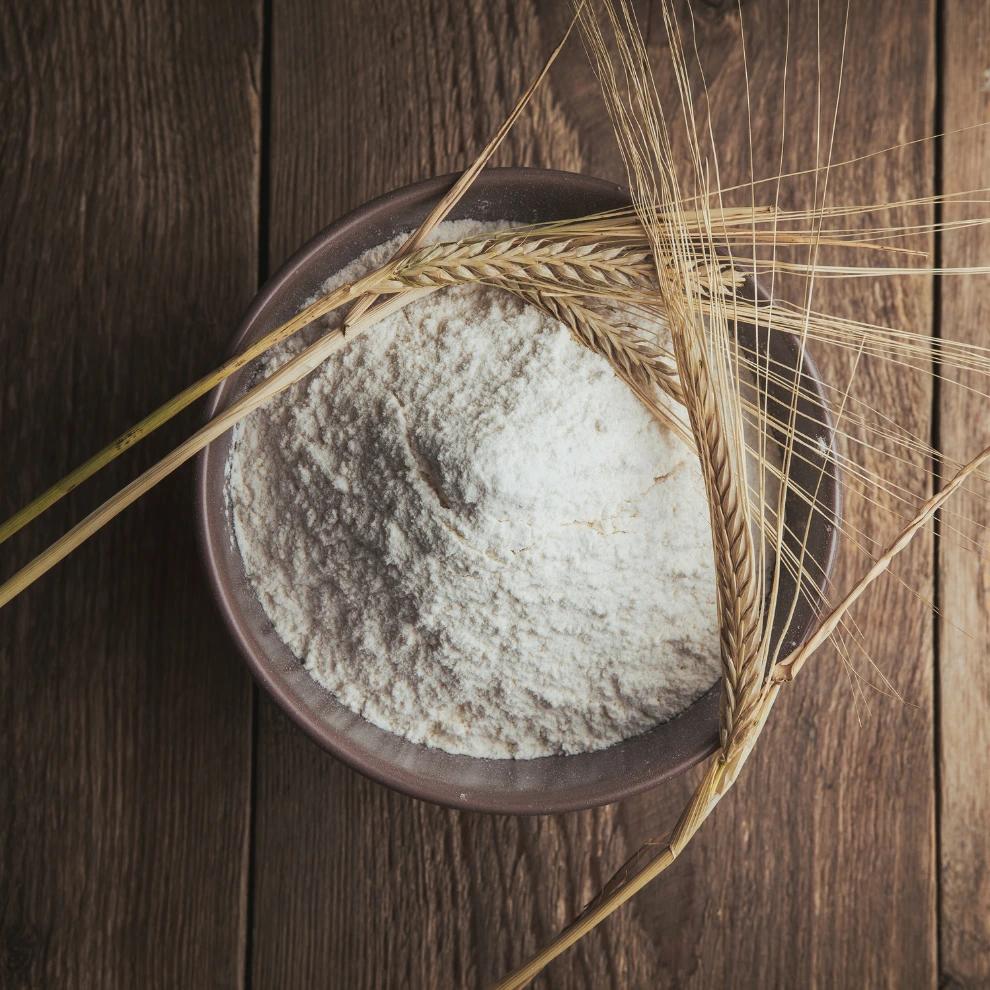
The Whole-Wheat Flour market is experiencing steady changes as food manufacturers, retailers, bakeries, and households increasingly seek nutritious and versatile grain-based ingredients. Whole-wheat flour retains more parts of the wheat grain than refined flour, making it an important ingredient for breads, biscuits, bakery products, snacks, pasta, and other food applications. Changing consumer preferences, agricultural conditions, processing improvements, and distribution developments are influencing how whole-wheat flour is produced and supplied across different markets.
Changing Wheat Production Patterns
The availability of wheat remains one of the most important factors affecting whole-wheat flour supply. Wheat production depends heavily on weather conditions, agricultural practices, water availability, soil quality, and farming inputs. Changes in these factors can influence crop yields and create variations in the quantity of wheat available for milling.
Farmers and agricultural producers are increasingly focusing on improving productivity while maintaining grain quality. Better farming techniques, improved seed varieties, precision agriculture, and efficient irrigation can support more stable wheat production. These developments can help millers maintain a consistent supply of raw materials.
At the same time, unexpected weather events can create supply challenges. Droughts, excessive rainfall, heat waves, and other agricultural disruptions may affect wheat production and influence the availability of suitable grain for whole-wheat flour processing.
Growing Importance of Domestic Supply Networks
One noticeable development in Whole-Wheat Flour Market Supply Trends is the growing importance of efficient domestic supply networks. Flour producers depend on reliable connections between farmers, grain collection centers, storage facilities, mills, distributors, retailers, and food manufacturers.
Shorter and more organized supply chains can help reduce transportation delays and improve product availability. Local sourcing can also allow producers to respond more quickly to changes in regional demand.
In markets with strong wheat production, flour manufacturers may increasingly work directly with farmers or agricultural cooperatives. Such relationships can improve access to suitable wheat varieties and provide better coordination between agricultural production and milling requirements.
Expansion of Modern Milling Capacity
Milling technology plays a major role in the supply of whole-wheat flour. Modern mills are designed to process wheat efficiently while maintaining the desired characteristics of the finished flour.
Advanced cleaning, grinding, separation, and quality-control systems can improve production efficiency. Better milling processes also help manufacturers maintain consistency in particle size, moisture levels, texture, and other important characteristics.
Investment in modern milling facilities can therefore increase production capacity and help suppliers respond to growing demand. Larger facilities may serve multiple regions, while smaller regional mills can focus on local consumers and specialized products.
Demand for Health-Oriented Products
Consumer interest in healthier food choices is influencing the supply structure of the whole-wheat flour industry. Whole-wheat flour is widely associated with fiber-rich and nutrient-focused diets, making it attractive to consumers looking for alternatives to highly refined grain products.
This demand is encouraging bakeries and packaged food manufacturers to introduce products containing whole-wheat ingredients. Bread, wraps, crackers, biscuits, breakfast products, and baked snacks are among the applications where whole-wheat flour can be incorporated.
As manufacturers expand their healthier product ranges, suppliers may need to provide different grades and specifications of whole-wheat flour. This creates opportunities for mills to diversify their product portfolios and serve specialized food applications.
Role of Storage and Inventory Management
Proper grain storage is essential for maintaining a reliable whole-wheat flour supply. Wheat must be stored under suitable conditions to protect it from moisture, pests, contamination, and quality deterioration.
Storage facilities located close to major production areas can help manufacturers maintain raw material availability throughout the year. Effective inventory management also enables suppliers to manage seasonal differences between wheat harvesting and flour demand.
Modern storage systems can improve monitoring and reduce losses. Temperature and moisture management technologies allow operators to identify potential quality problems earlier and take corrective action.
Transportation and Distribution Developments
Transportation remains another important component of the supply chain. Wheat and flour must move efficiently between production facilities, mills, warehouses, food manufacturers, wholesalers, supermarkets, and other sales channels.
Improved logistics planning can reduce delivery times and support more reliable product availability. Regional distribution centers can help suppliers serve multiple markets without requiring every customer to source directly from a milling facility.
The expansion of organized retail and online grocery channels is also changing distribution requirements. Suppliers increasingly need flexible logistics systems capable of serving large commercial buyers as well as smaller orders.
Sustainability in Flour Supply Chains
Sustainability is becoming increasingly relevant to whole-wheat flour supply. Producers are examining ways to reduce energy consumption, minimize waste, improve transportation efficiency, and use agricultural resources responsibly.
Whole-grain processing can also create opportunities for better utilization of wheat components. Milling by-products may be directed toward animal feed or other applications, helping reduce material waste.
Energy-efficient milling equipment, improved packaging, optimized transportation routes, and responsible sourcing practices can contribute to more sustainable supply chains. These measures may become increasingly important as food companies seek to improve the environmental performance of their operations.
Influence of Food Manufacturers
Food manufacturers are an important force shaping supply requirements. Large bakeries and packaged food producers often require consistent volumes of flour with specific quality characteristics.
Their purchasing requirements can influence milling operations, wheat sourcing strategies, storage practices, and distribution networks. Manufacturers producing premium or specialized food products may require flour with particular textures, protein characteristics, or processing properties.
This creates a more diversified supply environment in which suppliers compete not only on volume but also on consistency, reliability, quality, and customization.
Growth of Regional and Specialty Suppliers
While large milling companies can benefit from scale, regional suppliers continue to have opportunities in the whole-wheat flour market. Smaller mills can compete by focusing on local sourcing, specialty products, freshness, or specific customer requirements.
Specialty whole-wheat flour products may appeal to bakeries, health-focused food producers, and consumers seeking particular grain characteristics. Regional suppliers can also benefit from shorter transportation distances and closer relationships with local customers.
This combination of large-scale production and regional milling creates a diverse supply structure across the industry.
Future Direction of Whole-Wheat Flour Supply
The future supply environment is likely to be shaped by agricultural productivity, consumer demand, milling technology, logistics, sustainability initiatives, and changing food manufacturing requirements.
Suppliers that invest in efficient processing and dependable distribution systems may be better positioned to respond to market fluctuations. Greater attention to traceability and sourcing practices can also help businesses improve supply chain transparency.
Digital technologies may support further improvements in inventory monitoring, demand planning, transportation management, and quality control. These developments can help suppliers reduce operational inefficiencies and respond more effectively to changing customer requirements.'
Read more......https://www.pristinemarketinsights.com/whole-wheat-flour-market-report