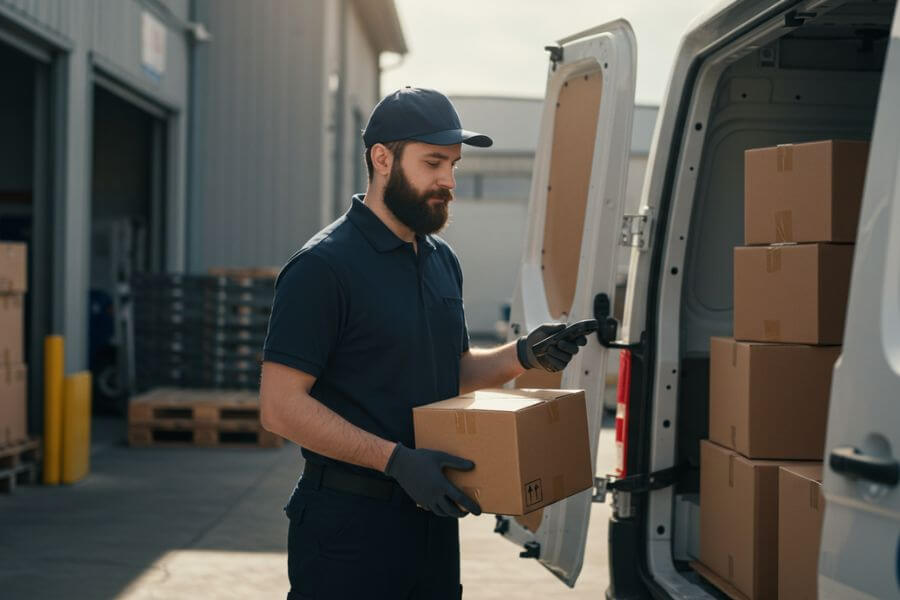
Custom Car Parts Packaging: Boost Brand Trust, Cut Returns, and Save Costs
-

- April 16th, 2026
- 219 views

Get a free topical map and start building content authority today.
Custom car parts packaging is the single most practical upgrade a parts manufacturer or aftermarket seller can make to reduce damaged goods, improve customer perception, and lower return costs. This guide explains how tailored packaging improves protection, supports branding, and contributes to regulatory and logistical efficiency—while showing concrete steps to get started.
Detected intent: Informational
Why custom car parts packaging matters
Packaging for automotive components is not just a wrapper—custom car parts packaging protects fragile items like sensors, brake rotors, and electronic modules during shipping, ensures regulatory compliance for hazardous materials (e.g., batteries, fluids), and turns every delivery into a brand touchpoint. Properly designed packaging lowers damage rates, reduces handling errors, and drives repeat business by reinforcing brand quality at the unboxing moment.
The business case: protection, brand, and cost
Three measurable benefits make custom packaging a priority:
- Reduced returns and warranty claims: Tailored cushioning, fixed-fit inserts, and correct outer box strength cut transit damage.
- Stronger brand perception: Branded sleeves, color-coded part IDs, and clear instructions reduce customer confusion and improve perceived value.
- Lower total landed cost: Right-sizing boxes saves freight; better protection lowers inspection and rework costs.
PACK Framework: A simple checklist for custom packaging decisions
Use the PACK Framework to evaluate a packaging solution before committing:
- Protection — Does the design prevent impact, vibration, and moisture damage for the specific part?
- Affordability — Are materials and box dimensions optimized for freight and storage costs?
- Compliance & Communication — Are hazardous materials, disposal, and installation instructions labeled correctly?
- Key Brand Elements — Does the packaging support brand recognition and user experience at the unboxing?
Design elements to prioritize
When creating custom automotive packaging, prioritize these elements:
- Right-sized corrugated boxes and void-fill design to limit movement.
- Custom die-cut foam or molded inserts for repeatable part orientation.
- Clear labels with part number, lot code, and handling icons for quick warehouse scanning.
- Moisture and corrosion protection (VCI bags, desiccants) for metal parts.
Standards and testing
Before scaling, test packages against standard transit protocols to replicate real-world handling. Organizations such as the International Safe Transit Association (ISTA) publish test methods and performance criteria to validate that a package will survive shipping; refer to their testing guidelines when claiming transit performance (ISTA).
Real-world example: small aftermarket brake manufacturer
A mid-size aftermarket brake pad supplier switched from generic boxes to a custom double-walled corrugated box with a molded pulp insert and VCI wrap. Result: damage claims dropped by 65% in the first quarter, freight cost per unit fell by 8% after right-sizing, and unboxing photos posted by installers increased social engagement, strengthening B2B distributor relationships.
Core cluster questions (use these as internal-link targets)
- How to choose materials for automotive parts packaging?
- What are the best cushioning options for heavy car parts?
- How does packaging affect returns and warranty claims for auto parts?
- What labeling and documentation should accompany automotive shipments?
- How to test packaging for transit damage and regulatory compliance?
Practical tips: five actionable steps to implement custom packaging
- Run a damage audit: track root causes of returns for a month (impact, moisture, stacking damage).
- Create prototypes with a packaging engineer: test inserts, closures, and labels before ordering full production runs.
- Right-size boxes: consolidate SKUs into dimensional tiers to simplify inventory and reduce freight costs.
- Include clear installation instructions and part ID labels inside the box to reduce technical support calls.
- Perform transit testing using a recognized protocol (e.g., ISTA procedures) to validate design under expected conditions.
Common mistakes and trade-offs to consider
Custom packaging involves trade-offs. Avoid these common mistakes:
- Over-engineering protection: Excessive foam and oversized boxes protect well but increase weight and freight costs.
- Ignoring SKU variety: One-size-fits-all inserts can lead to wasted space and inconsistent protection across parts.
- Neglecting labeling and documentation: A well-protected part can still be returned because the installer can’t identify fit or orientation.
Balance protection against cost by using the PACK Framework—prioritize the highest-risk SKUs for premium protection and use standardized secondary packaging for low-risk items.
Implementation checklist
Follow this quick checklist before launch:
- Document damage patterns and return costs.
- Define protection, cost, and branding goals (PACK Framework).
- Prototype and test to ISTA-like standards.
- Run a pilot with a controlled SKU group.
- Measure damage rate, freight cost, and customer feedback; iterate.
Related terms and concepts
Include language around corrugated strength (ECT/BCT), molded pulp, foam-in-place, vacuum-formed trays, VCI corrosion inhibitors, bill of lading (BOL) labeling, and industry testing standards to improve search relevance and buyer clarity.
When to consider external partners
Work with packaging engineers or contract packagers when in-house resources can’t prototype quickly or when specialized materials (e.g., conductive foam for electronics, UN-rated packaging for hazardous goods) are required. A phased pilot reduces risk and preserves cash flow.
What are the benefits of custom car parts packaging for my brand?
Custom car parts packaging reduces visible and hidden costs—fewer damaged returns, fewer customer support inquiries, and a stronger brand impression that increases repeat purchases and distributor confidence.
How should fragile or electronic automotive parts be protected for shipping?
Use ESD-safe or conductive foam for sensitive electronics, molded inserts to prevent movement, and sealed moisture barriers. Combine with clear handling labels and a detailed part ID to protect during transit and warehouse handling.
How does packaging testing reduce transit damage?
Testing simulates real handling—drops, vibration, compression, and environmental exposure—so design flaws are caught before full production. Use standardized protocols to quantify protection performance and compare options.
How can small manufacturers reduce packaging costs without increasing damage?
Consolidate dimensions into tiered box sizes, invest in reusable or modular inserts, and prioritize premium protection only for the highest-risk SKUs. Negotiate minimums with suppliers and pilot to validate savings before full adoption.
How long does it take to design and test custom automotive packaging?
A simple right-sizing and labeling update can be implemented in 4–8 weeks. Full custom insert design with multiple prototypes and transit testing typically takes 8–16 weeks, depending on iteration speed and test availability.
For further reading on test methods and transit performance, consult the International Safe Transit Association resources to align testing plans with recognized protocols (ISTA).