Why Drivers in the UAE Must Carry Car Insurance: Legal, Financial, and Practical Reasons
-

- February 23rd, 2026
- 1,114 views

Get a free topical map and start building content authority today.
Introduction
Car insurance in the UAE is not only a financial safety net but also a legal requirement and a practical tool for managing everyday driving risk. This guide explains the legal obligations, typical cover types, how claims work, and sensible steps drivers should take to stay protected and compliant.
- Detected intent: Informational
- Primary focus: legal requirement, financial protection, and practical steps for car insurance in the UAE
- Includes a simple DRIVE checklist and actionable tips to choose and maintain cover
Car insurance in the UAE: Key reasons and legal requirements
Every registered vehicle in the UAE must have at least third-party liability cover under local traffic regulations enforced by authorities such as the Roads and Transport Authority (RTA) and the federal road traffic laws. Beyond legal compliance, insurance protects against repair costs, medical bills, and third-party claims that can be financially crippling after an accident.
What the law requires
Federal and local traffic regulations require minimum third-party coverage to register and renew a vehicle. Enforcement comes through fines, vehicle registration blocks, and potential liability for uninsured drivers. For detailed government guidance on vehicle insurance obligations, consult the official UAE government vehicle insurance page: UAE Government: Vehicle insurance.
Common policy types and terms
Key policy types include third-party liability (basic legal minimum), third-party, fire and theft (adds limited non-accident perils), and comprehensive cover (broad protection including own-damage). Important terms to know: excess/deductible, no-claim discount (NCD), sum insured, and exclusions (e.g., driving under the influence).
Financial protection and practical benefits
Car insurance minimizes out-of-pocket costs after collisions, theft, or damage. Comprehensive cover helps with repair bills and can include roadside assistance, replacement vehicles, and windscreen coverage. For businesses and drivers who rent or finance vehicles, insurers often coordinate with financiers to protect outstanding loans.
Real-world scenario
Scenario: A driver on Sheikh Zayed Road is involved in a low-speed collision that damages the bumper and a lamppost. With third-party only cover, the driver’s insurer pays the lamppost owner and the other vehicle’s repair costs; the driver must personally cover own-vehicle repairs. With comprehensive cover, the insurer arranges repairs for the driver’s vehicle, subject to the policy excess and any impact on the no-claim discount.
How to choose and manage cover: the DRIVE checklist
Use this named checklist to compare policies and manage insurance proactively.
- Documents: Verify registration, driving license, and previous claim history.
- Required cover: Match the policy to legal needs and personal risk (third-party vs comprehensive).
- Insurer credibility: Check insurer licensing, claim settlement ratios, and RTA/Insurance Authority standing.
- Value and exclusions: Confirm sum insured, excess amounts, and what is excluded.
- Extras and add-ons: Consider roadside assistance, agency repairs, and personal accident cover.
Practical tips
- Keep vehicle documents updated and upload digital copies where allowed to streamline renewals and claims.
- Compare quotes on the same coverage level—differences often lie in excess, network garages, and claim service.
- Report accidents promptly and follow the insurer’s documented claim steps to avoid disputes over timely notification.
- Maintain a clean claim history where possible to preserve no-claim discounts and lower premiums over time.
Trade-offs and common mistakes
Choosing cheaper premiums can mean higher excess or restricted repair networks—trade-offs that increase hassle or costs at claim time. Common mistakes include letting a policy lapse, misunderstanding exclusions (e.g., commercial use vs private use), and failing to document accidents properly. Another frequent error is buying cover based only on price without checking the insurer’s claims process and turnaround times.
UAE motor insurance requirements and renewal tips
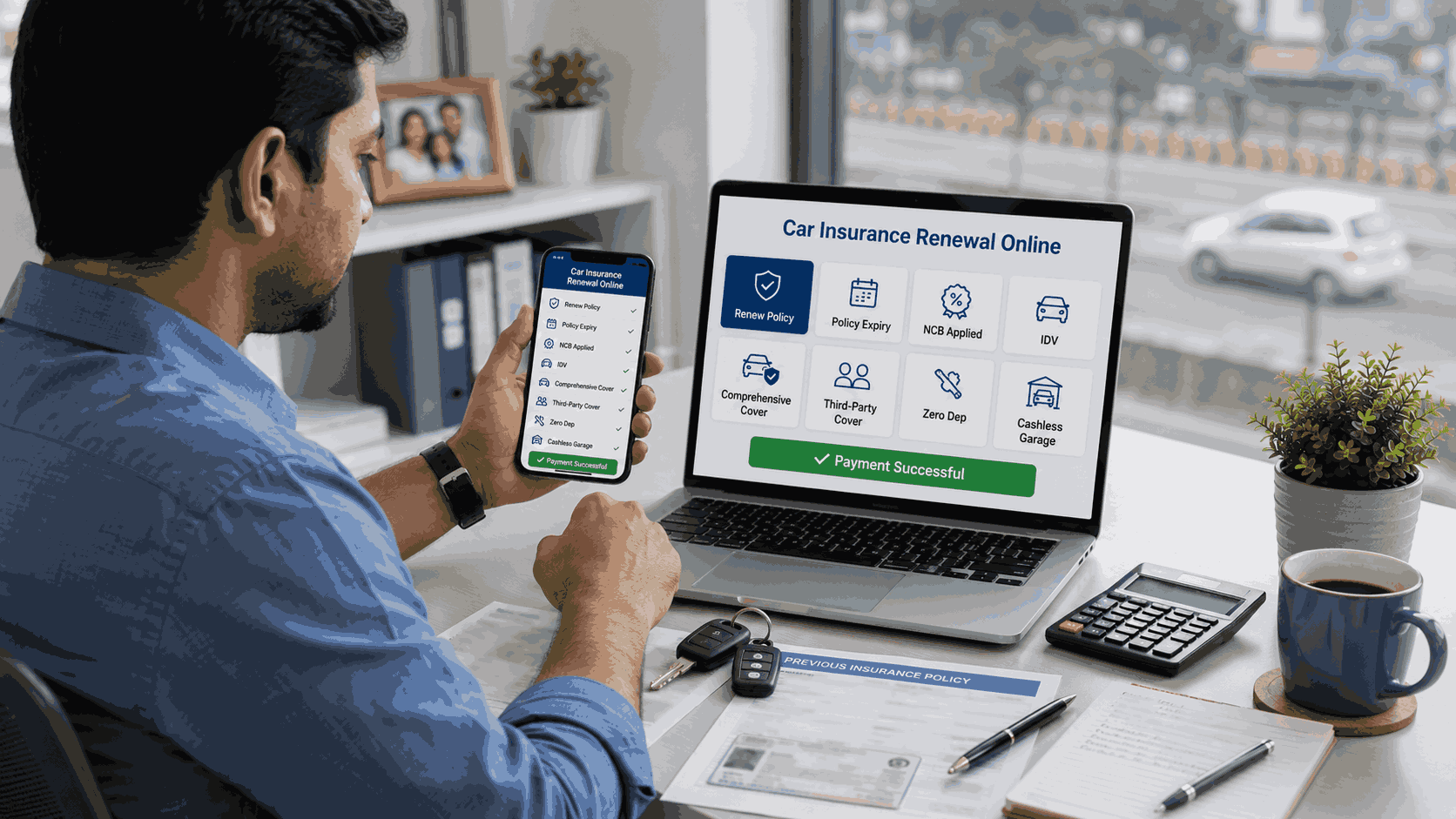
Renewal often requires proof of vehicle inspection in some emirates and verification of identity. When renewing, check whether your insurer offers a no-claim discount and whether the policy includes required add-ons for special vehicle categories (commercial, rental, or fleet). Keep a calendar reminder ahead of registration renewal to avoid fines or registration blocks.
Core cluster questions
- What does third-party car insurance cover in the UAE?
- How does comprehensive car insurance differ from third-party in the UAE?
- How is a car insurance claim processed after an accident?
- What documents are needed to renew vehicle insurance in the UAE?
- How does a no-claim discount affect premium renewal?
Final checklist before buying a UAE car policy
- Confirm legal minimum coverage for the emirate of registration.
- Check insurer licensing and complaint resolution channels (Insurance Authority and RTA resources).
- Compare excess, add-ons, repair network, and claim handling times—not just premium price.
FAQ
Why is car insurance in the UAE mandatory?
Car insurance is mandatory to ensure financial protection for third parties and to meet registration requirements set by traffic authorities. It reduces the risk of uninsured drivers being unable to pay for damages and helps enforce road safety obligations.
What does comprehensive car insurance UAE policies typically include?
Comprehensive policies commonly include own-damage cover, third-party liability, theft, fire, windscreen repair, and optional add-ons such as roadside assistance and personal accident cover. Exact inclusions vary by insurer and policy terms.
Can a car be driven without insurance while transferring ownership?
Driving without valid insurance remains illegal. During ownership transfer, ensure the vehicle is insured either through the seller’s active policy (if allowed) or by obtaining temporary or new cover before driving.
How are claims handled after an accident?
Typical claim steps: secure the scene, notify authorities if required, document damage and exchange details, notify the insurer immediately, and follow insurer instructions for vehicle inspection and repairs.
How does a no-claim discount affect premiums?
A no-claim discount reduces renewal premiums for drivers with claim-free years. The discount builds over consecutive claim-free years but may reset or reduce after a claim; details depend on the insurer’s policy.
For official rules and further guidance, consult the UAE government vehicle insurance page linked above or contact local traffic authorities such as the RTA for emirate-specific requirements.