Palm Resort Rajnagar Extension: The Complete Homebuyer Guide to Amenities, Layouts, and Investment
-

- March 06th, 2026
- 302 views
Detected intent: Commercial Investigation
Choosing a new residential address requires clear facts and usable comparisons. This guide explains why Palm Resort Rajnagar Extension can be a strong choice for homebuyers, covering layouts, amenities, connectivity, regulatory checks, and investment considerations. The primary focus is on Palm Resort Rajnagar Extension so readers can assess fit for families, professionals, and investors.
- Location and connectivity: proximity to main roads, schools, and transit.
- Amenities and lifestyle: clubhouse, open spaces, security, planned facilities.
- Design and layouts: typical floor plans, usable carpet area vs built-up area.
- Buying checklist and due-diligence steps (HOMES checklist included).
- Trade-offs, common mistakes, and practical tips for comparison and negotiation.
Palm Resort Rajnagar Extension: What to expect
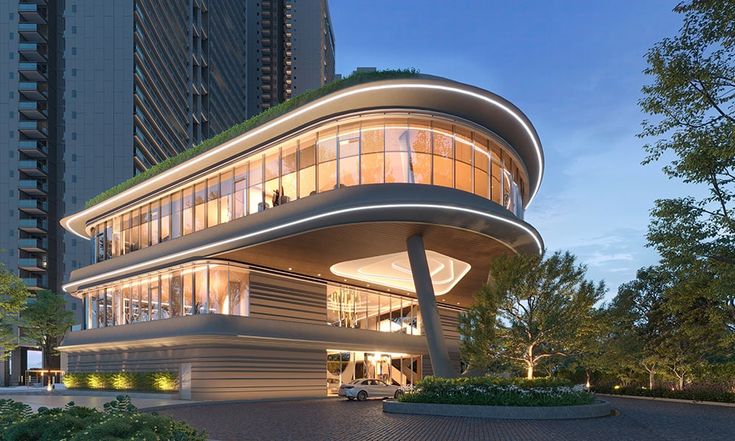
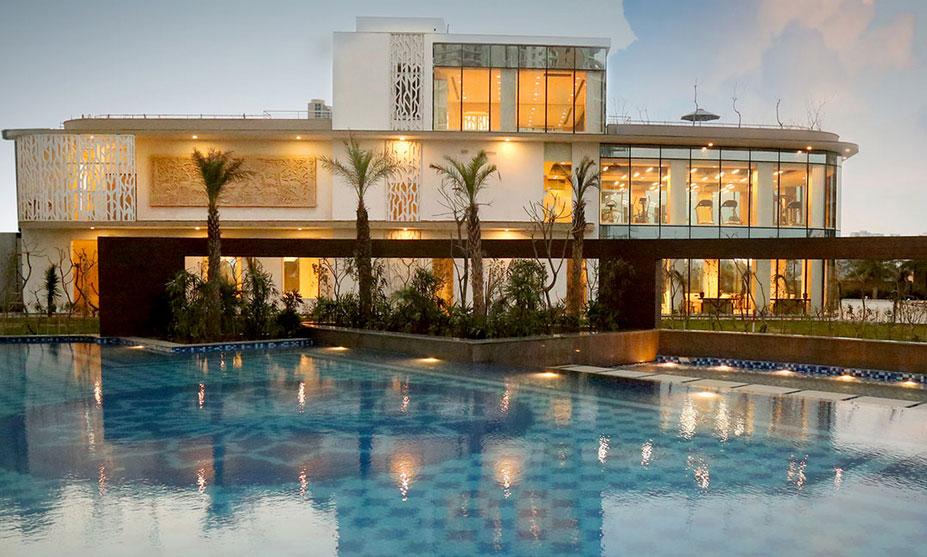
The phrase "Palm Resort Rajnagar Extension" describes a residential development positioned as a gated-community option in Rajnagar Extension. Expect a mix of apartment layouts, common amenities, and developer-led specifications. Key buyer questions include unit sizes, possession timelines, legal clearances, and long-term maintenance planning.
Why location and connectivity matter
Connectivity determines daily convenience and resale appeal. For Palm Resort Rajnagar Extension, assess drive time to major roads, nearest highway access, availability of public transport, and proximity to schools, hospitals, and shopping. Short commute times and nearby essential services typically support higher demand and steadier appreciation.
Design, floor plans, and usable area
Understand the difference between carpet area, built-up area, and super built-up area when reviewing floor plans. Look for layouts that optimize daylight, cross-ventilation, and practical circulation. Typical offerings at gated projects include 1–3 bedroom configurations, flexible living areas, and balconies—verify exact specifications on developer plans and the sale agreement.
Related entities and standards to check
- RERA registration (Real Estate Regulatory Authority)
- Approved building plans from the local municipal authority
- Possession timelines and escrow/maintenance fund details
Verify project registration and status on RERA; registration ensures prescribed disclosures and buyer protections. For a factual source, check the official RERA portal: rera.gov.in.
Common amenities and lifestyle features
Most modern residential projects position amenities as lifestyle differentiators. Expect a clubhouse, gym, landscaped gardens, children’s play area, dedicated parking, and basic security systems. Confirm which amenities are included in the maintenance fee and which are planned as future additions.
Practical example: How a family evaluates fit
A family of four prefers a 2-bedroom layout with good school access and a safe play area. The homebuyer compares total commute time, nearby schools within 15 minutes, the presence of a children’s play zone, and projected maintenance charges. If Palm Resort Rajnagar Extension meets these core needs and shows a clear RERA status with an acceptable possession timeline, the family shortlists it for a site visit and unit-level inspection.
HOMES checklist: a named framework for decision-making
Use the HOMES checklist to evaluate any residential project:
- H — Handover & Legal: Verify RERA registration, title clearances, and possession schedule.
- O — Orientation & Layout: Assess sunlight, ventilation, and usable carpet area.
- M — Money & Costs: Total cost including taxes, parking, and recurring maintenance.
- E — Essentials & Amenities: Confirm included amenities, security, sewage, and water sources.
- S — Surroundings & Services: Schools, hospitals, transport, and nearby retail.
Pricing and investment considerations
Project pricing can depend on location, developer reputation, floor level, and unit orientation. Effective due diligence includes comparing price per sq ft with similar developments, checking expected annual maintenance, and understanding the timeline for possession. For investment buyers, rental yield and local demand drivers (employment centers, universities, IT parks) matter most.
Common trade-offs and mistakes
Understanding trade-offs helps avoid regret after purchase. Common mistakes include:
- Paying too much attention to promotional finishes without verifying structural quality and material specifications.
- Assuming all amenities will be ready at possession—some facilities are phased and only functional later.
- Overlooking recurring costs such as maintenance, corpus funds, and property tax impact on monthly budgets.
Trade-offs to weigh
- Lower price vs longer commute—cheaper units farther from core employment may cost time.
- Higher floor vs accessibility—upper floors often offer views and ventilation but may mean longer elevator wait times.
- Ready-to-move vs pre-launch—early buyer discounts come with higher uncertainty on timelines.
Practical tips for viewing and negotiation
- Request a copy of the RERA registration and approved plan; verify developer disclosures across documents.
- Measure a sample unit for actual carpet area and check for usable storage space and natural light.
- Compare quoted price with at least three local projects to benchmark price per sq ft and maintenance norms.
- Ask for a breakdown of all costs: stamp duty, registration, parking, GST (if applicable), and corpus contributions.
Short buying scenario and timeline
After collecting documents and visiting a show unit, a buyer can expect a typical timeline: booking with token, signing the sale agreement (with clear schedule), quarterly payments as per construction-linked plan, and final possession followed by registration. Ensure escrow or project fund details are transparent to reduce delivery risk.
Core cluster questions
- How to compare floor plans when choosing a new apartment?
- What factors determine the price per square foot in a residential project?
- Which legal documents are essential before booking a home?
- How to estimate recurring maintenance and other ownership costs?
- What amenities typically add the most resale value in gated communities?
FAQ: Is Palm Resort Rajnagar Extension a good choice for a new home?
Assess if Palm Resort Rajnagar Extension meets core needs: RERA registration, suitable floor plans, usable carpet area, essential amenities, proximity to daily services, and acceptable maintenance costs. A checklist-driven site visit and a document verification step eliminate most unknowns.
FAQ: How to verify legal status and RERA registration for Palm Resort Rajnagar Extension?
Request the RERA registration number from the developer and cross-check it on the official portal at rera.gov.in. Verify approved plans and title documents from the local municipal office as part of legal due diligence.
FAQ: What is the typical maintenance and amenity charge structure?
Maintenance commonly covers security, cleaning, garden upkeep, and shared utilities. Ask for the developer’s estimated maintenance schedule and the corpus fund policy; compare these with nearby projects to set a realistic monthly budget.
FAQ: How to compare Palm Resort Rajnagar floor plans effectively?
Compare carpet area, room sizes, orientation, and storage features. A good layout prioritizes usable living space over inflated super-built-up numbers. Inspect a show unit and measure critical dimensions before committing.
FAQ: What are common mistakes buyers make when choosing a new home in a gated project?
Common mistakes include skipping legal checks, underestimating maintenance costs, and overvaluing promotional finishes. Use the HOMES checklist to avoid these pitfalls and prioritize long-term livability over short-term aesthetics.