Scalp Micropigmentation vs Hair Transplants: Practical Reasons SMP Often Wins
-

- Published Updated
- 707 views
Detected intent: Comparative
When choosing between scalp micropigmentation and surgical or medical hair loss options, clear comparisons matter. This guide compares scalp micropigmentation vs hair transplant and other hair loss treatments to show practical differences in cost, recovery, appearance outcomes, and long-term maintenance. The goal is to equip decision-makers with usable criteria—not hype—so a suitable option can be chosen based on lifestyle, budget, and realistic expectations.
- Scalp micropigmentation (SMP) is a non-surgical cosmetic tattoo that creates the appearance of density or a shaved head.
- SMP typically has lower cost, faster recovery, and fewer medical risks than hair transplant surgery.
- Transplants add real hair and can provide thicker coverage for some candidates, but require donor supply and longer downtime.
- Use an evidence-based checklist and consult reputable sources such as the International Society of Hair Restoration Surgery for surgical guidance.
scalp micropigmentation vs hair transplant: core differences
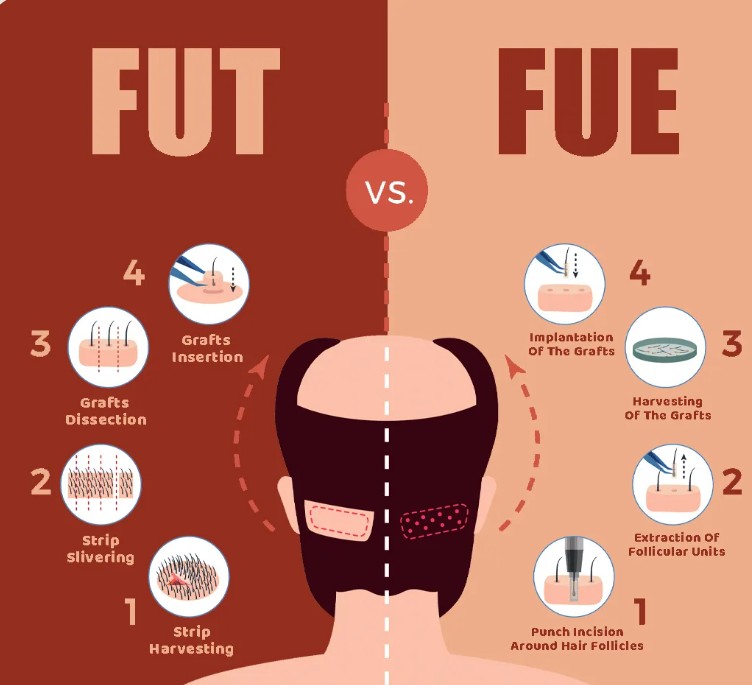
Scalp micropigmentation vs hair transplant diverges on fundamental dimensions: procedure type, permanence, visual outcome, downtime, and maintenance. SMP deposits pigment into the superficial dermis to mimic hair follicles or create a denser-looking hairline. Hair transplant surgery (FUE/FUT) moves living follicles from donor to recipient sites to grow natural hair. Medical treatments like finasteride and minoxidil act biologically to slow hair loss or regrow hair in some cases.
How SMP compares to other hair loss treatments
Effect on appearance and realism
SMP excels at creating the illusion of density and a defined hairline—particularly effective for buzzed or very short styles. Transplants produce actual hair growth, which can look most natural for medium-to-long hair when graft survival and placement are optimal. Medical options can produce variable regrowth; when they work, results are hair, not pigment.
Recovery, downtime and side effects
SMP sessions typically require minimal downtime: a few days of scalp sensitivity and mild scabbing. Transplants involve days to weeks of recovery, potential pain, swelling, and a small risk of infection or graft failure. Drugs like finasteride can have systemic side effects; topical minoxidil can cause scalp irritation. For surgical safety information, refer to guidance from the International Society of Hair Restoration Surgery: ISHRS.
Cost, maintenance and longevity
Upfront cost for SMP is generally lower than transplant surgery and includes occasional color refreshers every 3–7 years. Transplants have higher initial cost and often require more than one procedure for full coverage; they can be longer-lasting but depend on donor hair stability. Medical treatments are ongoing expenses with monthly or yearly costs and require continued use to keep benefits.
SMP CLEAR checklist — a named framework to evaluate candidates
Use the SMP CLEAR checklist when deciding whether scalp micropigmentation is appropriate:
- Cos t: Compare total upfront price and expected refresh sessions.
- Lifestyle: Consider desired hair length and daily styling preferences.
- Expectations: Define realistic visual goals and review before/after portfolios.
- Anatomy: Assess scalp condition, scarring, and skin tone compatibility.
- Room for future change: Plan for aging, pigment fading, or desire for transplant later.
Real-world example
Case scenario: A 38-year-old with Norwood 4 thinning prefers short hairstyles and works in a client-facing role. After evaluating budget and downtime, the client chooses SMP to restore a crisp hairline and the appearance of density while avoiding surgical recovery and donor limitations. The plan uses two SMP sessions spaced two weeks apart, followed by a touch-up at three years. This approach met aesthetic goals quickly and at a lower cost than a multi-stage transplant would have required.
Practical tips for choosing between SMP and other treatments
- Confirm diagnosis with a dermatologist or hair restoration specialist to rule out treatable conditions like telogen effluvium.
- Review high-resolution before-and-after photos from the actual practitioner, not stock images; request recent client references.
- Ask about pigments, equipment, sterilization practices, and training—technique matters more than marketing language.
- Factor in potential future steps: SMP does not prevent future transplants, but transplants can alter SMP planning.
Trade-offs and common mistakes
Trade-offs to consider
SMP offers speed and lower medical risk but does not produce real hair—so options like longer hairstyles remain limited. Transplants give living hair but require donor supply and carry surgical risks. Medical treatments can support transplants and preserve donor supply, yet demand long-term adherence and have variable efficacy.
Common mistakes
- Choosing a practitioner purely on price; cheap SMP can look unnatural or fade unevenly.
- Expecting SMP to mimic long, natural hair—SMP is optimized for short styles or density illusion rather than length and texture.
- Neglecting pre-procedure evaluation—untreated scalp conditions such as dermatitis can affect results.
Core cluster questions (ideal internal links)
- What are the realistic outcomes of scalp micropigmentation for advanced hair loss?
- How long does scalp micropigmentation last and when are touch-ups needed?
- Can scalp micropigmentation be combined with hair transplant surgery?
- What are the prep and aftercare steps for scalp micropigmentation?
- How to evaluate practitioner training and SMP technique before booking?
Practical maintenance and aftercare
After SMP, follow these steps: avoid heavy sweating and direct sun for 5–7 days, keep the scalp clean and moisturized as advised, and schedule a one- to three-year touch-up depending on fade. For transplants, follow surgical aftercare and follow-up with the surgeon to monitor graft survival. Combining medical therapy (finasteride/minoxidil) with surgical or cosmetic procedures is common—discuss risks and benefits with a clinician.
FAQ: Is scalp micropigmentation vs hair transplant better for me?
“Better” depends on goals: pick SMP if the objective is immediate visual density or a defined hairline with minimal downtime and lower cost. Choose a transplant if growing natural hair is essential and donor hair supply is sufficient. Often a combined approach—medical therapy with either SMP or transplant—yields the most durable result.
FAQ: How long does scalp micropigmentation last compared to a transplant?
SMP typically lasts several years before a color refresh is needed (commonly 3–7 years). Transplants, when successful, produce hair that can last a lifetime but may thin over time as underlying hair loss continues.
FAQ: Can scalp micropigmentation be reversed or removed?
Removal is possible with laser treatments but can be lengthy, costly, and may not fully restore the original skin appearance. Treat SMP as a long-term cosmetic commitment and choose the practitioner carefully.
FAQ: Will scalp micropigmentation look fake on lighter or darker skin tones?
When matched and applied correctly, SMP can suit a wide range of skin tones. Color matching and dot size are technical skills—review portfolios from clients with similar skin tone to evaluate realistic results.
FAQ: Are there medical risks to scalp micropigmentation?
Risks are generally low when performed in a hygienic setting: temporary redness, minor scabbing, and rare infection. Avoid procedures in unregulated environments and consult a medical professional if there are pre-existing scalp conditions.
For surgical considerations and evidence-based guidelines on hair restoration, the International Society of Hair Restoration Surgery provides clinical resources and position statements for patients and clinicians: ISHRS.