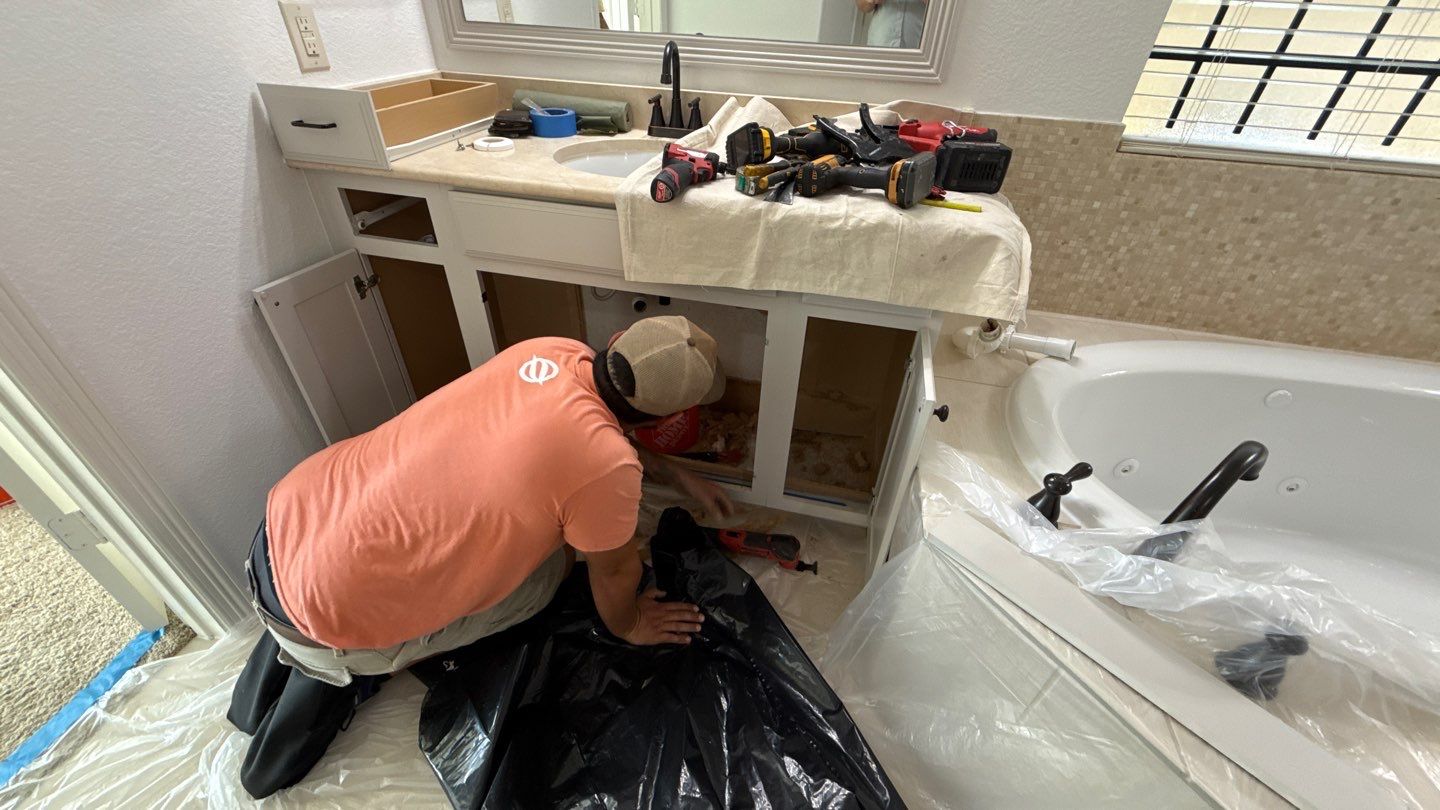
Professional Septic Tank Plumber: Why Regional Property Owners Should Hire One
-

- March 05th, 2026
- 318 views

Get a free topical map and start building content authority today.
Summary: This guide explains why a professional septic tank plumber protects health, property value, and long-term costs. Detected intent: Informational.
Hiring a professional septic tank plumber prevents small problems from becoming expensive failures. Regional property owners benefit from trained technicians who understand local codes, soil conditions, and septic system types. This guide covers when to call a pro, what to expect, a named SEPTIC checklist for routine decisions, and practical tips for realistic maintenance planning.
- Detected intent: Informational
- Main takeaway: A licensed professional reduces risk and long-term costs.
- Immediate actions: Use the SEPTIC checklist, confirm licensing, schedule an inspection if drains are slow or ground is soggy.
Why hire a professional septic tank plumber
Certified plumbers who specialize in septic systems bring diagnostic tools, legal compliance knowledge, and safe handling of waste and effluent. They identify problems that are invisible to homeowners—broken baffles, failing drain fields, or outdated tanks—and can advise on repairs, pumping frequency, and upgrades that meet local regulations and protect groundwater.
professional septic tank plumber: what to expect from a service visit
Expect a step-by-step inspection: access and visual check of the tank and lids, probing for scum and sludge levels, hydraulic load testing, inspection of the distribution box and drain field, and documentation. A reputable pro provides a written report, recommended actions, and a cost estimate. In many jurisdictions, work must meet plumbing codes enforced by county health departments.
SEPTIC checklist (named framework for decision-making)
Use the following simple, repeatable framework when evaluating service needs or assessing a quote. The SEPTIC checklist helps compare options objectively.
- Schedule inspections annually or at recommended intervals.
- Evaluate household water use and changes in occupancy.
- Pump the tank at recommended intervals based on sludge/scum levels.
- Test alarms and risers; ensure risers are secure and accessible.
- Inspect distribution boxes, pipes, and soakaway fields for signs of failure.
- Comply with local permits and keep records of all service visits.
Common scenarios and a short real-world example
Scenario: A rural homeowner notices slow draining fixtures and soggy ground near the drain field after heavy rain. The homeowner calls a licensed septic specialist who uses a probe and camera to find an overloaded drain field and an undersized, corroding distribution box. The contractor recommends targeted repairs and increases pumping frequency. With those fixes, odors and backups stopped and the drain field recovered.
Core cluster questions (building an internal link map)
- How often should a septic tank be pumped?
- What are the signs of a failing drain field?
- How to choose a licensed septic service in a rural area?
- What permits are required for septic repairs or replacements?
- How do household habits affect septic system lifespan?
Trade-offs and common mistakes
Trade-offs when hiring a professional vs. DIY
Hiring a pro costs more up-front than a DIY attempt, but it reduces the chance of environmental violations, improper repairs, or undetected damage. A professional supplies accurate diagnostics and warranty-backed work. DIY repair might save on labor today but often causes higher costs later if the system is mishandled.
Common mistakes regional property owners make
- Delaying pumping until an emergency occurs, increasing repair costs.
- Using products that damage septic bacteria (e.g., excessive bleach or antibacterial cleaners).
- Failing to mark and protect the drain field from heavy vehicles or construction.
- Hiring an unlicensed or uninsured contractor without verifying references and permits.
Practical tips for working with a septic professional
Actionable points
- Confirm the contractor's license and ask for local references or photos of recent work.
- Request a written scope of work, cost breakdown, and a timeline before work begins.
- Keep a service log with dates, pump volumes, and inspection notes to track system health.
- Avoid planting trees or building over the drain field; protect it from heavy equipment.
- Ask about preventive contracts or maintenance plans to lock in regular checks and reduced emergency rates.
Costs, permits, and regional considerations
Regional septic service costs vary with system type, access, and soil conditions. Replacement of an aged drain field or conversion to an advanced treatment unit is a larger capital investment and usually requires permits. Check local county health departments for permit and code requirements. For general best-practice guidance on septic care and design principles, refer to the EPA's septic system resources: EPA: Septic Systems.
When to call a professional right now
- Raw sewage backups inside the house.
- Persistent sewage odors outdoors or near water sources.
- Slow drains affecting multiple fixtures or soggy patches above the drain field.
- Visible signs of tank damage or missing lids.
Next steps and record-keeping
Schedule an inspection using the SEPTIC checklist and keep documentation of all findings and repairs. Proper records improve resale value and make future decisions easier.
Closing summary
Hiring a professional septic tank plumber protects health, reduces environmental risk, and lowers long-term costs by catching problems early and ensuring regulatory compliance. Use the SEPTIC checklist, verify licenses, and keep a maintenance log to preserve system life.
FAQ: How to choose and work with a professional septic tank plumber?
Look for licensing, local references, clear written estimates, and documented insurance. Ask about diagnostic methods, warranties, and permit handling.
FAQ: How often should a septic tank be pumped?
Frequency depends on household size, tank capacity, and usage—commonly every 3–5 years. Use inspection results and the SEPTIC checklist to set a schedule.
FAQ: What are the signs of a failing drain field?
Signs include soggy or unusually green areas over the drain field, slow drains, sewage odors, or backups. A professional inspection confirms root causes.
FAQ: Can a professional septic tank plumber help with permits and code compliance?
Yes. Licensed contractors typically handle permit submission and ensure repairs meet local health department rules. Confirm this in the written scope of work.
FAQ: What does hiring a professional septic tank plumber cost?
Regional septic service costs vary. Obtain at least two written estimates that itemize inspection, pumping, repairs, and permit fees. Compare based on scope, not just price.