Complete Guide to Applying to Yaroslav The Wise Novgorod State University in 2024
-

- Published Updated
- 1,575 views
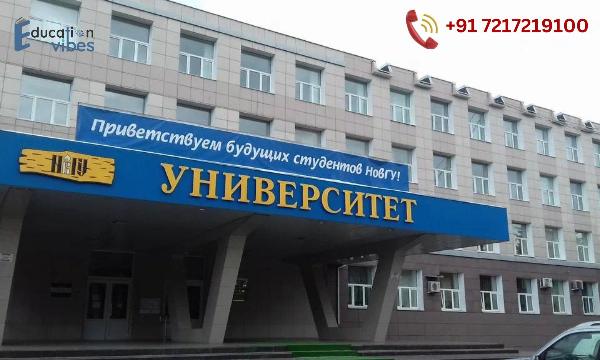
The Yaroslav The Wise Novgorod State University admission process 2024 outlines eligibility rules, application steps, required documentation and evaluation criteria for domestic and international applicants. This guide summarizes typical procedures used by Russian public universities while highlighting specific elements relevant to Novgorod State University.
- Apply through the university admissions portal and submit certified documents.
- Domestic applicants generally use Unified State Exam (USE) results; some programs require additional entrance tests.
- International applicants must provide diploma recognition, translations and migration documents.
- Deadlines, quotas for state-funded places and scholarship rules are set each year by the university and regulators.
Yaroslav The Wise Novgorod State University admission process 2024: key steps
1. Decide the study track and eligibility
Select the desired bachelor, specialist, master or postgraduate program and review specific eligibility criteria. Public universities in Russia offer two common enrolment types: state-funded (budget) places and contract (paid) places. Eligibility may depend on program prerequisites, prior diplomas and national exam results.
2. Register and submit an application
Complete the online application on the university’s admissions portal within the published application window. Typical steps include account creation, selecting programs in order of preference, uploading scanned documents, and paying any application fees where applicable.
3. Prepare and upload required documents
Required materials commonly include:
- Passport or national ID (for international applicants, a valid passport and visa/migration paperwork);
- Secondary school certificate or prior higher-education diploma and academic transcript;
- Unified State Exam (USE) scores or equivalent entrance exam results where required;
- Certified translations of foreign documents and recognition (nostrification) if applicable;
- Medical clearance forms when requested by the university.
Application assessment and entrance examinations
4. Entrance exams and scoring
For many bachelor programs, the Unified State Exam (USE) is the primary basis for ranking applicants. Some specialties (for example, arts, design, or certain professional routes) require additional creative exams, interviews or departmental tests. Master’s and postgraduate admissions often include entrance interviews, entrance tests or evaluation of research proposals.
5. Competitive score and ranking
Admission decisions are typically based on a competitive score calculated from exam results, academic records and any additional assessments. The university publishes ranked lists and enrollment orders. Where applicants have equal scores, tie-break rules set by the university or regulated by the Ministry of Science and Higher Education may apply.
International applicants and credential recognition
6. Recognition of foreign qualifications
Foreign diplomas generally require official recognition (nostrification) to be accepted for admission to Russian state programs. Recognition is managed according to national rules; applicants should consult the university’s international admissions office for the precise procedure, timelines and required apostilles or consular legalization.
7. Language requirements
Programs taught in Russian require proficiency in Russian; evidence may be needed such as a language certificate or completion of a preparatory Russian-language course. Some programs may be offered in English with separate language requirements.
Deadlines, funding and enrolment
8. Deadlines and enrollment timeline
Admissions calendars vary by program and applicant category. Typical timelines include application submission in late spring to early summer, announcement of competitive lists in summer, and official enrollment before the start of the academic year. Exact dates for 2024 are set by the university’s admissions committee and published on the official admissions page.
9. State-funded places, scholarships and contract places
Universities allocate a fixed number of state-funded spots each year; these places are awarded to the highest-ranked eligible applicants. Contract places are available for applicants who do not receive a state-funded offer or who choose paid study. Scholarships, grants and merit-based awards may be offered by the university or external foundations and are subject to separate rules.
10. Matriculation and registration
Successful applicants must submit originals of required documents for verification, complete tuition payment if enrolling on a contract basis, and register with university services. International students may need to finalize visa or migration registration as part of enrolment.
Where to verify official information
Admission rules and quotas are regulated nationally by agencies such as the Federal Service for Supervision in Education and Science (Rosobrnadzor) and the Ministry of Science and Higher Education of the Russian Federation. For program-specific details, applicants should consult the university’s admissions pages and published regulations. Official university information and application portals provide the authoritative deadlines and requirements: Novgorod State University admissions.
Practical tips
11. Common recommendations
- Start document preparation early, including certified translations or notarizations for foreign certificates.
- Confirm whether a program requires creative exams, interviews or portfolio submissions and prepare accordingly.
- Monitor the official admissions page, university announcements and email communications for updates and ranked lists.
- Contact the admissions office or international office directly for program-specific questions or unusual cases like diploma recognition.
Contact and appeals
12. Admissions committee and appeals
Decisions, ranked lists and enrollment orders are published by the university’s admissions committee. Appeal procedures for contesting ranked results are usually specified in the university’s admissions regulations and must be filed within defined deadlines.
FAQ
What is the Yaroslav The Wise Novgorod State University admission process 2024?
The Yaroslav The Wise Novgorod State University admission process 2024 includes online application submission, document upload, evaluation based on USE results or entrance exams, ranked competitive lists, and final enrollment after original document verification. Specific deadlines, quotas and any additional tests are published annually by the university.
Which documents are required for domestic applicants?
Domestic applicants commonly need an identity document, secondary school certificate or prior diploma, USE results where required, and any program-specific certificates. Originals are required for final verification upon enrollment.
How do international applicants apply and get their diplomas recognized?
International applicants must provide a notarized or apostilled diploma, certified translations, and undergo nostrification where necessary. Contact the university’s international office for precise steps and timelines.
Are there state-funded places and how are they allocated?
State-funded (budget) places are limited and allocated based on competitive ranking that uses exam scores and other criteria. The university publishes the number of budgeted spots by program each admissions cycle.
Where can official updates and program-specific rules be found?
Official updates, program descriptions, deadlines and enrollment rules are available on the university’s admissions portal and official notices from the university’s admissions committee. For national regulatory context, consult Rosobrnadzor and the Ministry of Science and Higher Education of the Russian Federation.