How YouTube Data Scraping Services Drive Business Intelligence and Market Insight
-
- February 23rd, 2026
- 1,293 views

FREE SEO Topical Map Generator: Find Your Next Content Ideas
Introduction
YouTube data scraping services provide structured access to video metadata, view counts, comments, and engagement metrics that businesses can use for market research, audience analysis, and competitive benchmarking. Careful use of YouTube data scraping services supports data-driven decisions across marketing, product development, and media planning while raising questions about data quality, rate limits, and privacy compliance.
Why Businesses Use YouTube Data Scraping Services
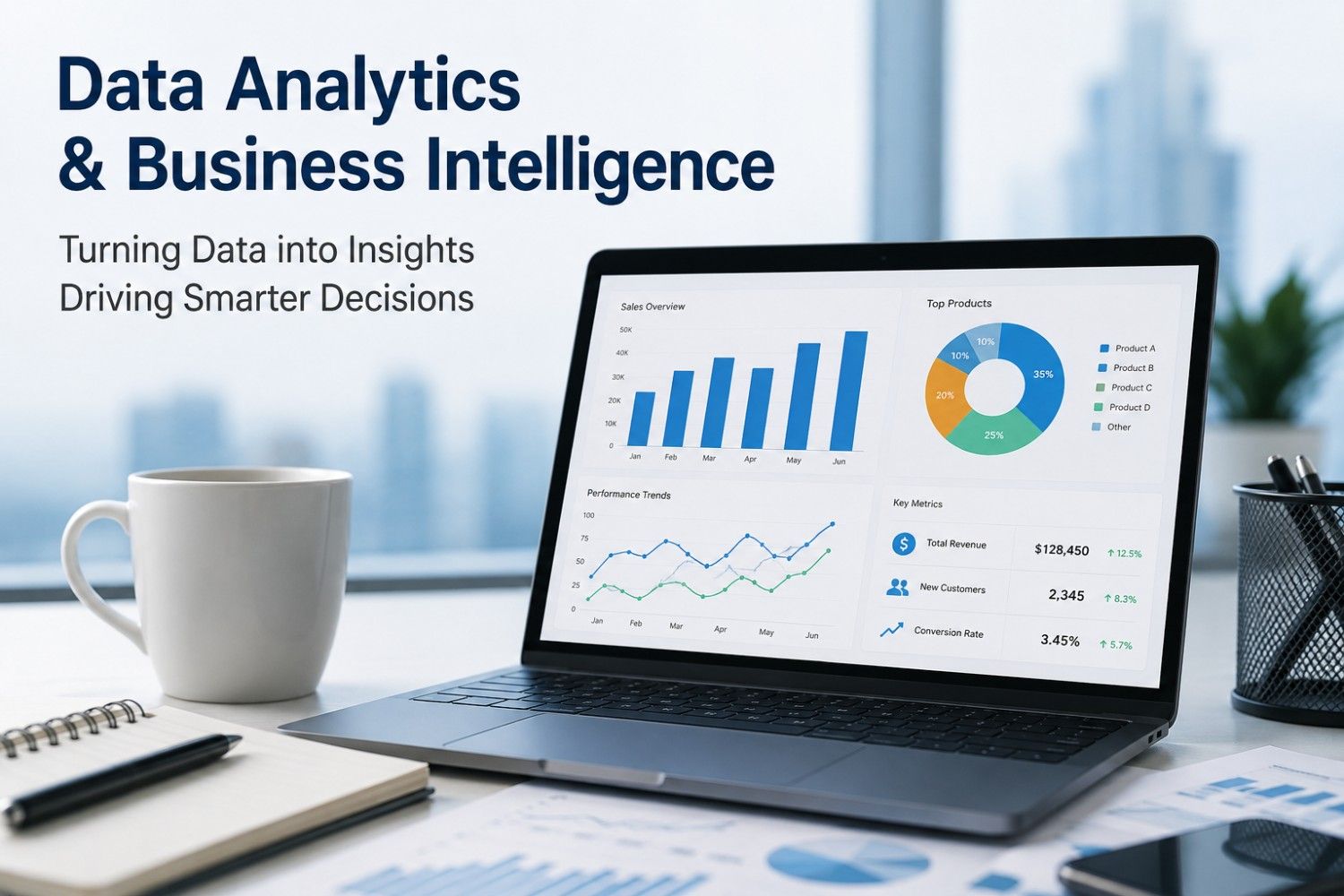
Collecting YouTube data at scale helps organizations identify trending topics, measure audience engagement, and perform competitive analysis. Typical outputs include time-series of view counts, like and dislike ratios, comment volumes, channel growth rates, and tags or descriptions that indicate content themes. These data feed analytics, dashboards, and machine learning models to inform content strategy, advertising buys, and influencer selection.
Key Metrics and Use Cases
Engagement and Reach
Engagement metrics—views, likes, comments, shares—help estimate reach and viewer interaction. Analyzing changes over time can reveal seasonal patterns or the impact of promotional campaigns.
Content and Trend Analysis
Text fields such as titles, descriptions, and comments can be processed with natural language processing to detect trending topics, sentiment, and emerging keywords. Topic clustering and keyword frequency support editorial planning and SEO strategies.
Competitive Intelligence
Channel-level and video-level scraping supports benchmarking against competitors by tracking upload frequency, average viewership, and audience retention signals when available. This enables comparative reporting without relying solely on manual monitoring.
Methods: APIs, Scraping, and Hybrid Approaches
Data collection methods range from using official endpoints to automated web scraping. The YouTube Data API provides structured access to many metadata fields and is often the first choice for developers because it respects published usage limits and terms of service. In cases where public API coverage is limited, some services combine API requests with carefully designed scraping tools to capture additional publicly visible information.
Technical Considerations
Important technical topics include rate limiting, data caching, incremental updates, data pipelines for cleansing and normalization, and storage choices optimized for time-series or text search. Ensuring data provenance and reproducibility is critical for reliable analysis.
Risks, Ethics, and Compliance
Using YouTube data scraping services requires attention to legal and ethical boundaries. Publicly visible data differs from private or personally identifiable information, and collection practices should respect platform terms of service and applicable law. Regulatory frameworks such as the EU's General Data Protection Regulation (GDPR) and guidance from the U.S. Federal Trade Commission (FTC) influence how organizations handle user data, consent, and automated processing.
For guidance on data protection rules and responsibilities, consult official regulatory resources such as the European Commission's data protection overview https://ec.europa.eu/info/law/law-topic/data-protection_en.
Ethical Considerations
Ethical practices include minimizing collection of personal data, anonymizing or aggregating where possible, and being transparent about data use in contexts where disclosure is appropriate. Academic research standards and institutional review boards provide frameworks for ethical data handling in research settings.
Data Quality and Limitations
Data obtained through scraping or APIs may contain noise—duplicates, missing fields, or inconsistencies caused by changes to platform markup or API versioning. Sampling bias is another concern: highly visible channels and videos may dominate datasets, while niche content can be underrepresented. Implementing validation checks and monitoring for schema changes helps maintain long-term data quality.
Operational Constraints
Rate limits, quota management, and potential blocking are operational realities. Designing retry logic, exponential backoff, and distributed collection strategies reduces service disruption. Legal and contractual constraints may also limit retention or redistribution of collected data.
Operationalizing Insights
Once collected and cleaned, YouTube data can be integrated into dashboards, report templates, or machine learning models for forecasting and segmentation. Common downstream applications include audience modeling, campaign attribution, influencer scoring, and content recommendation systems. Cross-referencing YouTube metrics with other channels strengthens multi-platform strategies.
Best Practices Overview
- Prefer official APIs where available and monitor for policy changes.
- Document data sources, collection timestamps, and processing steps for auditability.
- Aggregate and anonymize personal data when possible to reduce privacy risk.
- Implement robust error handling and monitoring for changes in platform behavior.
Measuring ROI and Strategic Value
Return on investment from YouTube data scraping services is measured by improved targeting, faster trend detection, and more effective content and advertising strategies. Quantitative metrics include conversion uplift, reduced content production waste, and more efficient media spend informed by observed audience behaviors.
Cross-Disciplinary Collaboration
Combining domain expertise from marketing, data engineering, legal, and analytics teams helps translate raw YouTube data into actionable strategy while addressing compliance and technical constraints.
Conclusion
YouTube data scraping services enable businesses to extract structured insights from a vast repository of video content and user interactions. They support content strategy, audience research, and competitive intelligence while requiring careful technical implementation and attention to regulatory and ethical considerations.
FAQ: What are YouTube data scraping services?
YouTube data scraping services are tools and workflows that collect publicly available metadata and engagement metrics from YouTube for analysis, reporting, and integration into business intelligence systems.
FAQ: Are YouTube data scraping services legal?
Legality depends on jurisdiction, the type of data collected, and compliance with platform terms of service and data protection laws. Regulatory frameworks such as GDPR and guidance from agencies like the FTC shape permissible practices.
FAQ: How do businesses ensure data quality from YouTube data scraping services?
Ensuring data quality involves schema validation, deduplication, timestamping, regular monitoring for changes in source formats, and cross-validation with official APIs or alternate data sources.
FAQ: Can YouTube data scraping services be used for influencer selection?
Yes. Aggregated metrics and engagement patterns help score and compare potential influencers, but qualitative review and audience-fit analysis remain important complements to quantitative indicators.
FAQ: How should organizations handle privacy when using YouTube data scraping services?
Organizations should minimize collection of personal data, anonymize or aggregate where feasible, and align practices with applicable regulations and platform policies. Consulting official regulatory resources and internal compliance teams supports responsible use.