1 Mukhi Rudraksha: Understanding Its Symbolism, Spiritual Purpose and Authenticity
-

- Published Updated
- 1,771 views
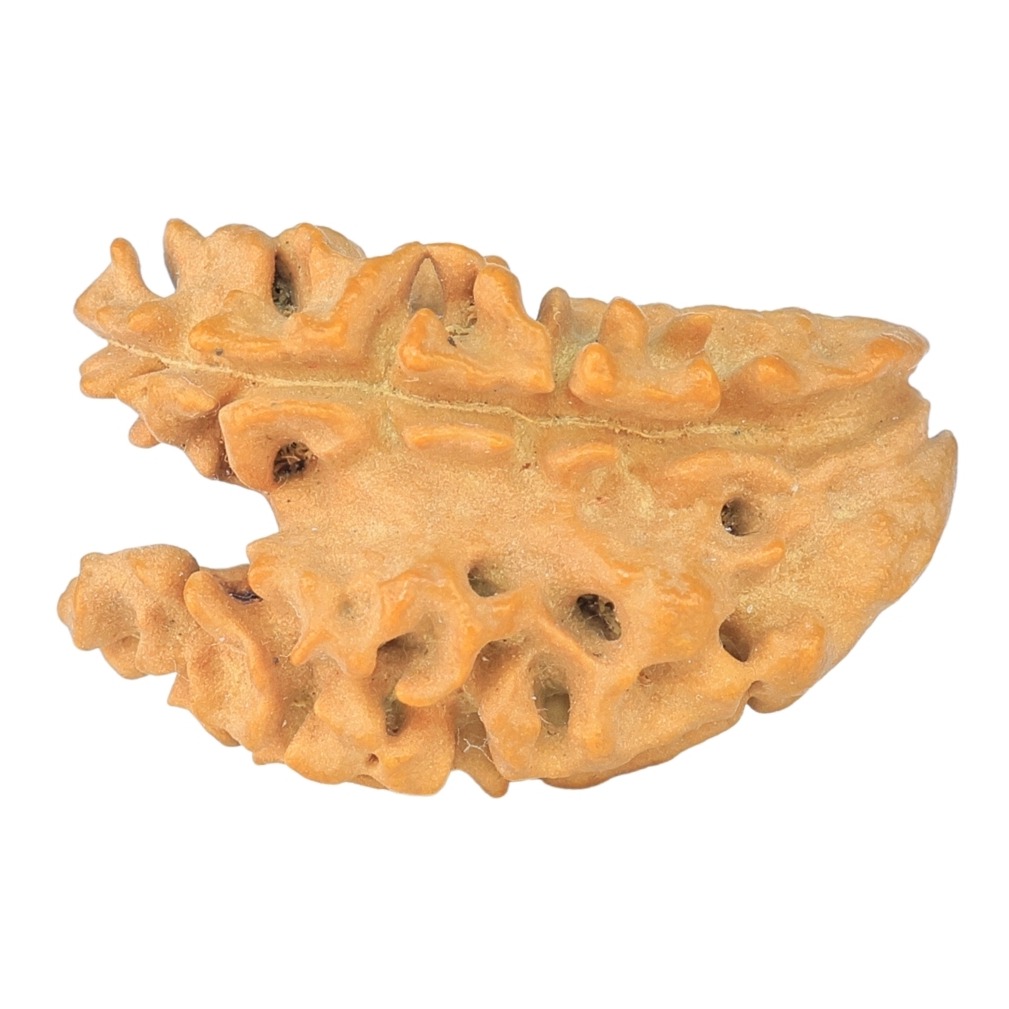
Rudraksha beads are traditionally valued as part of meditation, prayer, mantra chanting, and devotional practice. Different beads are classified according to their natural Mukhi lines, but some varieties have a particularly distinctive spiritual identity.
The 1 mukhi rudraksha is traditionally associated with Lord Shiva and is regarded as a symbol of oneness, focused awareness, spiritual discipline, and inward reflection. Its single Mukhi structure makes it different from the more commonly encountered multi-faced varieties.
Because of its rarity and spiritual reputation, it is important to separate traditional symbolism from claims made about individual beads. The following meanings come from cultural and religious traditions and should not be understood as scientifically proven effects.
Why the Single Mukhi Is Significant
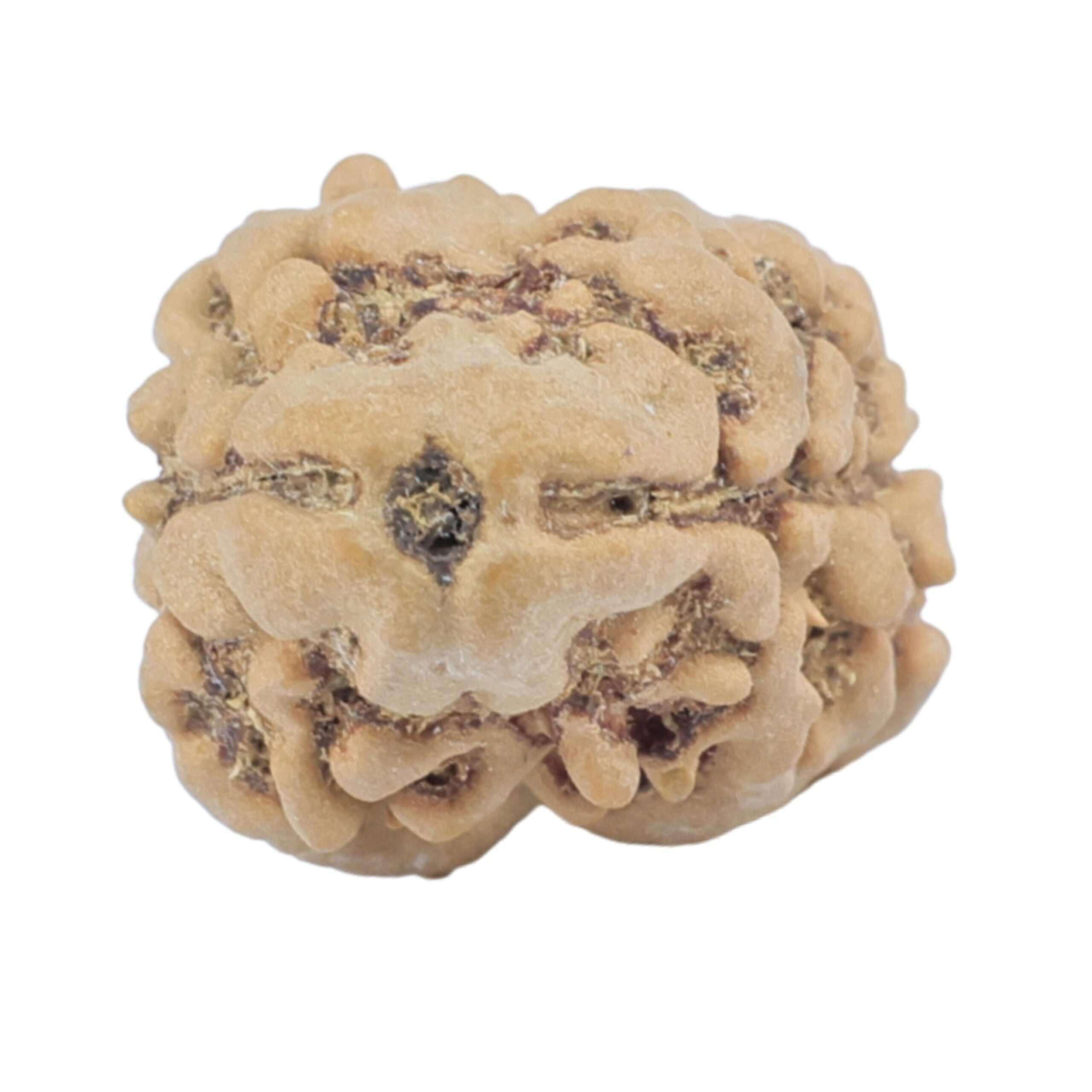
The most obvious feature of 1 Mukhi Rudraksha is its single natural face.
The number one carries strong symbolic meaning.
It can represent:
Unity
Oneness
Focus
Simplicity
Singular awareness
Spiritual connection
This makes 1 Mukhi Rudraksha particularly different in character from beads whose traditional meanings focus on prosperity, courage, or protection.
Its symbolism is often directed inward.
A Rudraksha Associated With Shiva
Lord Shiva is traditionally connected with meditation, consciousness, transformation, and spiritual awareness.
The association between Shiva and 1 Mukhi Rudraksha therefore provides much of its traditional significance.
For a Shiva devotee, the bead can represent an intention to focus attention inward and develop a more disciplined spiritual practice.
This can make it meaningful during:
Meditation
Prayer
Mantra chanting
Self-reflection
Shiva worship
The Idea of Oneness
The concept of oneness is central to the symbolic meaning of the bead.
Rather than viewing life as a collection of disconnected experiences, spiritual traditions may encourage an understanding of unity and interconnectedness.
The single face of the Rudraksha can serve as a physical representation of this idea.
For practitioners, it may become a reminder to simplify distractions and focus on what is spiritually meaningful.
Focus and Concentration
The symbolism of a single face can also be interpreted through focused attention.
Modern life can involve constant distractions from:
Phones
Work
Social media
Notifications
Multiple responsibilities
A spiritual practice can provide a structured opportunity to step away from these distractions.
The 1 Mukhi Rudraksha may serve as a symbolic object within that routine.
It does not independently create concentration, but it can represent the practitioner's intention to develop greater focus.
Inner Reflection
The traditional meaning of this Rudraksha can also be connected with introspection.
Introspection involves examining one's own thoughts, reactions, habits, and motivations.
A practitioner may reflect on:
Personal priorities
Emotional reactions
Attachments
Daily habits
Spiritual goals
The bead can serve as a reminder to make time for this reflection.
Detachment and Simplicity
Shiva is traditionally associated with detachment and renunciation.
This does not mean that every person wearing 1 Mukhi Rudraksha must withdraw from ordinary life.
A more practical interpretation is learning to maintain perspective.
A person can have ambitions, relationships, and responsibilities while avoiding excessive attachment to a particular outcome.
This symbolic interpretation gives the bead relevance beyond formal religious practice.
Who May Be Interested in 1 Mukhi Rudraksha?
There is no universal rule determining who should wear it.
It may appeal to:
Shiva devotees
Meditation practitioners
Spiritual seekers
Yoga practitioners
People interested in self-reflection
Rudraksha collectors
People exploring rare Rudraksha varieties
Those following a specific spiritual or astrological system may prefer individual guidance before selecting it.
Why Authenticity Requires Extra Attention
The reputation and rarity of 1 Mukhi Rudraksha can make it particularly important to verify the actual bead.
Buyers should not rely only on statements such as "rare," "premium," or "powerful."
The bead should be evaluated according to its physical characteristics and supporting documentation.
Examining the Natural Structure
A genuine bead should have a naturally formed single Mukhi structure.
When evaluating a product, consider:
Natural surface formation
Continuity of the Mukhi line
Overall seed structure
Product photographs
Signs of artificial modification
Natural Rudraksha can have irregularities.
Therefore, an unusual shape does not automatically mean that the bead is artificial.
At the same time, an attractive appearance does not automatically establish authenticity.
Certification and Individual Product Records
Certification can provide additional information when purchasing a rare Rudraksha.
Ideally, the documentation should relate to the individual bead.
Useful details include:
Mukhi classification
Product identification
Dimensions
Weight
Origin
Certification
Laboratory information where available
Rudraksha Sanskar provides product-specific information for its 1 Mukhi Rudraksha offerings.
Reviewing this information can help buyers understand the actual bead rather than relying solely on general descriptions.
Traditional Ways to Use the Bead
A 1 Mukhi Rudraksha may be incorporated into spiritual practice in several ways.
It can be
Worn as a pendant
Used during meditation
Kept in a prayer space
Used during Shiva worship
Included in mantra practice
Some practitioners prefer to prepare the bead before wearing it according to their tradition.
The exact practice can vary between individuals and spiritual communities.
Caring for a 1 Mukhi Rudraksha
The bead should be treated as a natural seed.
Basic care can include:
Avoiding harsh chemicals
Keeping perfume away from the surface
Cleaning gently
Protecting it from impact
Storing it safely
Aggressive polishing should be avoided.
This is particularly relevant for a rare bead because preserving its natural condition is important.
Understanding Rarity and Price
The rarity of a 1 Mukhi Rudraksha can contribute to its premium market positioning.
However, price should never be the only measure of authenticity.
A buyer should consider:
Natural formation
Origin
Size
Weight
Certification
Laboratory verification where available
Product documentation
A high price without supporting information does not establish that the bead is genuine.
Similarly, a lower price alone does not prove that a bead is artificial.
1 Mukhi Compared With Other Rudraksha
Different Mukhi varieties have different traditional identities.
11 Mukhi Rudraksha is commonly associated with Hanuman and courage.
12 Mukhi is traditionally connected with Surya and vitality and leadership.
13 Mukhi is associated with Indra and themes of desire and fulfilment.
14 Mukhi is commonly linked with awareness and intuition.
1 Mukhi Rudraksha is distinctive because its symbolism is centred strongly on unity, Shiva, focused awareness, and spiritual practice.
Rudraksha Sanskar and 1 Mukhi Rudraksha
Rudraksha Sanskar is an online platform offering different Rudraksha varieties, including rare and higher Mukhi beads.
Its 1 Mukhi Rudraksha collection provides product-related information for individuals evaluating this distinctive bead.
For someone considering a 1 Mukhi Rudraksha, it is useful to review the individual product's natural structure, photographs, dimensions, weight, certification, origin, and available authenticity information.
This provides a more practical basis for evaluating the bead than relying only on its traditional reputation.
A Practical Buying Checklist
Before purchasing, check:
Single natural Mukhi formation
Individual bead photographs
Certification
Dimensions
Weight
Origin
Laboratory information where available
Seller transparency
Authenticity and return policies
Also consider your reason for selecting the bead.
If your interest is spiritual, its traditional association with Shiva and oneness may be the main attraction.
If your interest is rarity, authenticity and documentation should receive greater attention.
Conclusion
The 1 Mukhi Rudraksha is one of the most distinctive varieties in Rudraksha traditions. Its single natural face and traditional association with Lord Shiva give it symbolic connections with oneness, focused awareness, meditation, simplicity, detachment, and spiritual reflection.
Its traditional significance is best understood as part of a wider spiritual practice rather than as a guarantee of particular results.
Because genuine examples are considered uncommon, buyers should pay close attention to authenticity. Natural formation, individual product information, certification, physical specifications, and transparent seller details can provide a stronger basis for evaluating a 1 Mukhi Rudraksha before purchase.