11 Practical Strategies to Cover and Treat Thinning Hair in Men
-
- March 19th, 2026
- 540 views
Thinning hair in men is common and treatable with a mix of cosmetic, grooming, and medical approaches. This guide lays out 11 practical tips to quickly cover thinning areas while addressing underlying causes with proven treatments and realistic trade-offs.
- Detected intent: Procedural
- Immediate actions to cover thinning, medium-term regimens to strengthen hair, and when to seek medical evaluation.
- Includes the COVER Checklist framework, a short real-world example, plus practical tips and common mistakes.
How to manage thinning hair in men: 11 practical tips
These 11 tips combine styling, topical products, grooming habits, and treatment options so men can both camouflage and treat hair loss effectively. Terms to know: androgenetic alopecia (male pattern baldness), DHT (dihydrotestosterone), minoxidil, finasteride, hair fibers, scalp micropigmentation.
Tip 1 — Get a strategic haircut
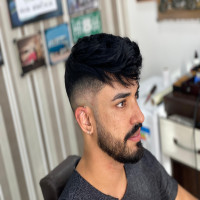
A barber experienced with thinning hair can use shorter sides and textured top cuts to reduce contrast between scalp and hair. Layers add perceived volume; ask for styling guidance for home maintenance.
Tip 2 — Use cosmetic camouflaging (hair fibers, powders)
Colored hair fibers and scalp-concealing powders instantly reduce visible scalp and are useful for events or daily concealment. Expect daily application; wash out at night.
Tip 3 — Apply volumizing and gentle shampoos
Use sulfate-free shampoos and conditioners labeled for volume. Thickening shampoos temporarily expand hair shaft diameter for fuller look. Avoid overwashing—2–4 times weekly is typical depending on oiliness.
Tip 4 — Start an evidence-based topical treatment
Topical minoxidil is an over-the-counter option that can slow loss and promote regrowth for many men. Results take 3–6 months and require consistent use. Consult a clinician for formulation and side effects.
Tip 5 — Review oral medical options with a clinician
Finasteride reduces DHT and is effective for many men. It requires prescription and discussion of risks and benefits with a healthcare provider. Medical review is essential before starting systemic medications.
Tip 6 — Consider scalp micropigmentation or low-level cosmetic procedures
Scalp micropigmentation can fake density by adding pigment to the scalp. Platelet-rich plasma (PRP) and low-level laser therapy are non-surgical options some men pursue; outcomes vary and should be evaluated with a board-certified dermatologist.
Tip 7 — Use styling to reduce contrast
Matte styling pastes and products that increase texture reduce shine and make scalp less visible. Avoid heavy, glossy gels that separate hair and expose the scalp.
Tip 8 — Protect the scalp and hair health
Avoid harsh chemical treatments and minimize heat styling. Maintain balanced nutrition (iron, vitamin D, protein) and address systemic issues like thyroid disease with medical care.
Tip 9 — Think about long-term solutions (hair transplant)
Hair transplant surgery (FUE or FUT) provides permanent coverage in many cases but requires careful candidate assessment, recovery time, and investment. Not everyone is a candidate—consult a specialist.
Tip 10 — Combine approaches for best outcomes
Cosmetic concealment plus topical or oral therapy often yields the best balance of immediate appearance and long-term improvement. Track progress with photos every 8–12 weeks.
Tip 11 — Get a medical assessment when needed
If hair loss is sudden, patchy, or accompanied by scalp symptoms, see a dermatologist. For clinical guidance on hair loss causes and treatment standards, refer to authoritative sources like the American Academy of Dermatology: AAD hair loss information.
The COVER Checklist: a simple framework to decide next steps
The named framework below helps prioritize practical actions.
- Cut: Adjust length/texture to reduce contrast.
- Options: Apply cosmetic camouflaging (fibers, powders).
- Verify: Get a medical assessment for underlying causes (labs, scalp exam).
- Enroll: Start evidence-based therapies (topical minoxidil, oral finasteride when appropriate).
- Review: Track progress and reassess every 3–6 months, consider procedural options if needed.
Practical tips (fast, actionable)
- Morning routine: Apply hair fibers to dry hair, then set with a matte hairspray to lock coverage in place.
- Night routine: Gently cleanse the scalp and rotate thickening shampoo with a moisturizing conditioner to avoid dryness.
- Photos: Take straight-on and crown photos monthly to objectively track change.
- Patch test: When trying a new topical, test on a small area first to check for irritation.
Common mistakes and trade-offs
Trade-offs are unavoidable—cosmetic fixes require daily upkeep, medical treatments require months to show results, and surgical options carry cost and recovery time. Common mistakes include:
- Expecting instant regrowth from medical treatments—remodeling takes months.
- Using heavy styling products that increase shine and expose the scalp more.
- Skipping medical evaluation when hair loss is rapid or accompanied by itching, flaking, or localized patches.
Core cluster questions
- How quickly do hair fibers cover thinning areas and how long do they last?
- What are the proven medical treatments for androgenetic alopecia in men?
- When should a man consider a hair transplant versus non-surgical options?
- Which hairstyles best camouflage crown thinning without daily products?
- How to choose a dermatologist or clinic for hair-loss treatment evaluation?
Short real-world example
Scenario: A 38-year-old man notices widening part and a thinner crown after several months. Using the COVER Checklist, he gets a dermatology consult, starts topical minoxidil, changes to a textured shorter haircut, and uses hair fibers for events. After six months of consistent treatment and grooming, photos show reduced visibility of the scalp and slower progression—demonstrating the value of combining concealment with medical therapy.
FAQ
What is the fastest way to cover thinning hair in men?
Hair fibers or scalp-concealing powders provide the fastest visual cover—apply to dry hair where scalp shows and set with a light hairspray. For immediate long-term change, scalp micropigmentation is a semi-permanent option that requires professional application.
How long before medical treatments like minoxidil show results?
Expect to wait about 3–6 months for initial improvement and up to a year for clearer changes. Consistent daily use is necessary; stopping treatment typically reverses gains.
Are there lifestyle changes that help with thinning hair?
Address nutritional deficits (iron, vitamin D), reduce smoking, manage stress, and avoid harsh hairstyles or chemical treatments. These steps support scalp and hair health but may not reverse genetic hair loss alone.
What are common side effects of oral hair-loss medications?
Finasteride can cause sexual side effects in a minority of users and requires discussion with a healthcare provider. Always review risks, benefits, and alternatives with a clinician before starting.
Can thinning hair in men be prevented?
Genetic hair loss cannot always be prevented, but early intervention with topical or oral therapies can slow progression. Regular evaluation and a tailored approach combining cosmetic and medical strategies give the best chance to preserve hair and improve appearance.