Essential Portable Coolroom Features for 2025: 5 Priorities for Buyers
-

- Published Updated
- 444 views
Detected intent: Informational
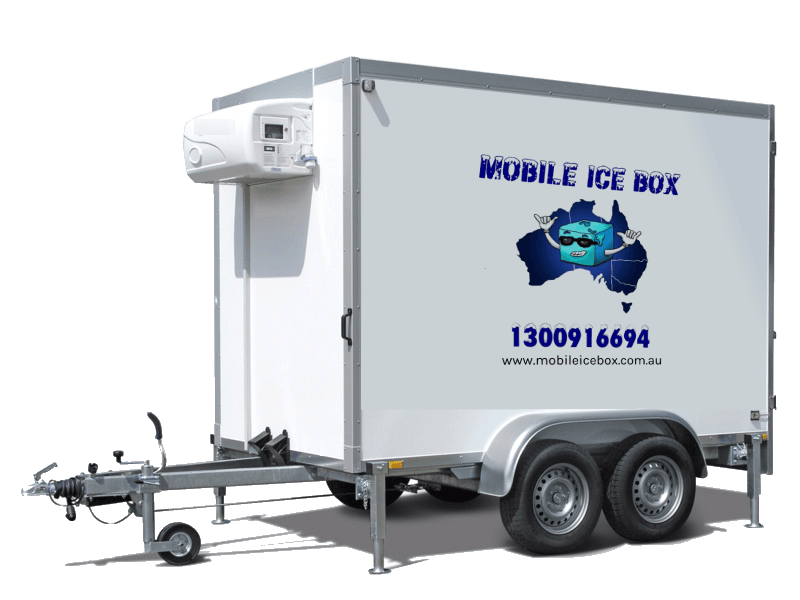
The best decisions about portable cold storage start with a clear list of portable coolroom features that matter for the intended use. Whether the need is for event catering, farm harvest staging, food distribution, or temporary pharmaceutical storage, this guide explains the five main capabilities to evaluate in 2025 and why each one matters.
- Primary features to prioritize: precise temperature control, high-performance insulation and energy efficiency, modular portability and setup, reliable refrigeration with redundancy, and remote monitoring & compliance tools.
- Use the PORTS checklist to compare models quickly: Portability, Operating range, Reliability, Temperature control, Safety & compliance.
- Practical tips: match capacity and temperature range to load, verify R-value and energy metrics, demand redundancy for critical goods, and test monitoring before deployment.
Why these portable coolroom features matter in 2025
Supply chains and product safety expectations continue to tighten, and energy costs and sustainability goals influence buying decisions. The five feature areas below balance operational reliability, cost of ownership, and regulatory compliance. This article defines each feature, lists practical evaluation steps, and shows trade-offs to expect.
1. Temperature control and range (precision and stability)
Precise temperature control is the cornerstone of any refrigerated solution. Key specifications to evaluate include setpoint range, stability (±°C), recovery time after door openings, and whether the system supports multiple zones or dual-temperature use. For food safety and many pharmaceuticals, maintaining a stable temperature is a regulatory requirement — check the specific temperature bands that apply to the cargo type.
Practical checks: ask for temperature charts from factory testing, confirm how the unit behaves under full load, and verify how quickly the controller recovers after a door cycle. For formal temperature requirements and safe holding temperatures, consult the official guidance available from recognized authorities such as the FDA Food Code.
2. Insulation, thermal performance, and energy efficiency
Insulation quality determines how much refrigeration capacity is needed and how well the unit maintains temperature when ambient conditions are hot. Look for panel R-value, thermal break details, and door seal quality. Modern portable coolrooms often include vacuum-insulated panels or high-density PIR/CFC-free foams that improve energy performance.
Energy metrics to request: rated power draw at specified ambient temperatures, coefficient of performance (COP), and estimated kWh per 24 hours at typical load. These numbers indicate operating cost and are useful when comparing models on lifetime cost rather than just purchase price.
3. Modular portability, setup speed, and footprint flexibility
Portability covers physical transport, on-site setup, and how easily the unit integrates with existing workflows. Consider stackability, split-panel assembly, integrated fork pockets or skids, and the time required to switch a unit from transit to operational use. For event rentals or temporary storage, fast setup and compact transport volume reduce labor costs.
Long-tail considerations such as "portable cold room temperature control" and "temporary refrigerated storage" often hinge on how modular the system is. If operations change frequently, favor modular designs that adapt to different footprints and door configurations.
4. Refrigeration system design and redundancy
Refrigeration architecture affects reliability. Single-compressor systems are simpler and cheaper but create a single point of failure. Dual-compressor or redundant circuits offer higher uptime for critical loads. Evaluate condenser type (air- vs. water-cooled), compressor capacity margin, and whether the system uses cascade refrigeration for ultra-low requirements.
Maintenance accessibility and spare-part availability should be confirmed. For high-value cargo, specify automatic switchover settings and local alarm thresholds so corrective action can start before product quality is affected.
5. Monitoring, controls, connectivity, and compliance
Remote monitoring and logging are increasingly standard. Look for features like data logging to configurable intervals, secure cloud access, multi-user alerts, and on-board HACCP logging for food operations. Connectivity options (Wi‑Fi, cellular, Ethernet) matter where network access is variable.
Security and compliance capabilities—such as tamper-evident seals, password-protected settings, audit trails, and exportable CSV logs—help meet regulatory audits and customer contracts. Confirm how the system stores and exports logs and whether it integrates with existing fleet management platforms.
PORTS checklist: a named evaluation framework
Use the PORTS checklist to compare units quickly:
- Portability — transport footprint, weight, setup time
- Operating range — minimum and maximum setpoints, stability
- Reliability — redundancy, service access, spares availability
- Temperature control — sensors, multiple zones, recovery performance
- Safety & compliance — logging, alarms, regulatory features
Short real-world example
Scenario: A regional caterer needs two mobile coolrooms for weekend events. Requirements: 2–8°C for dairy and salads, four door cycles per hour, rapid setup at each venue, and remote temperature logging for client assurance. Using the PORTS checklist, the caterer prioritized insulated panel R-value and recovery time, selected dual-compressor units for redundancy during long events, and enabled cellular logging to provide clients with real-time temperature reports. The chosen configuration reduced spoilage risk during high ambient temperature days and simplified insurance compliance.
Practical tips (3–5 actionable points)
- Match capacity and temperature range to the worst-case load: oversized cooling is better than undersized for safety-critical cargos.
- Request factory test logs and on-site demonstration of recovery time under full load before purchase.
- Prioritize energy performance if units will run continuously; lower kWh/24h reduces operating cost over time.
- Insist on remote alarms and audit logs when storing regulated goods—local notifications alone are insufficient for many compliance regimes.
Common mistakes and trade-offs
Common mistakes include buying solely on purchase price, underestimating installation and maintenance costs, and ignoring ambient conditions in sizing calculations. Trade-offs often involve portability versus thermal mass: more portable, lightweight panels can be faster to deploy but may need more refrigeration capacity in hot environments. Redundancy adds cost and weight but is essential for high-value or regulated loads.
Core cluster questions (use these as internal link targets)
- How to size a portable coolroom for seasonal harvest storage?
- What are acceptable temperature ranges for perishable food transport?
- How to test recovery time and thermal performance for a mobile refrigerated unit?
- What redundancy options exist for portable refrigeration systems?
- How to integrate portable coolroom monitoring with fleet management software?
FAQ
What are the essential portable coolroom features to check before buying?
Check precise temperature control and range, insulation and energy efficiency (panel R-value, kWh/24h), modular portability and setup time, refrigeration system redundancy and serviceability, and monitoring and compliance features such as remote logging and alarms.
How important is insulation quality for a mobile refrigerated storage unit?
Very important. Higher R-value panels and good door seals reduce running time and compressor cycling, lower energy usage, and maintain product temperatures during door cycles or brief power interruptions.
Can portable coolrooms meet food-safety regulations?
Yes—when configured with appropriate temperature control, data logging, alarms, and documented HACCP procedures. See official guidance like the FDA Food Code for temperature requirements in food service and retail environments.
How should redundancy be specified for critical loads?
Specify dual compressors or separate refrigeration circuits, automatic switchover, and local alarm thresholds. Also confirm spare-part availability and local service support to minimize downtime.
How to monitor portable coolroom temperature remotely and ensure compliance?
Choose units with secure remote connectivity (cellular or Wi‑Fi), configurable alert thresholds, tamper-evident logging, and exportable audit reports. Verify that the vendor’s data retention and export formats match regulatory or customer audit requirements.