Traditional Uses of A2 Gir Cow Ghee for Cold and Cough Relief
-

- Published Updated
- 1,799 views
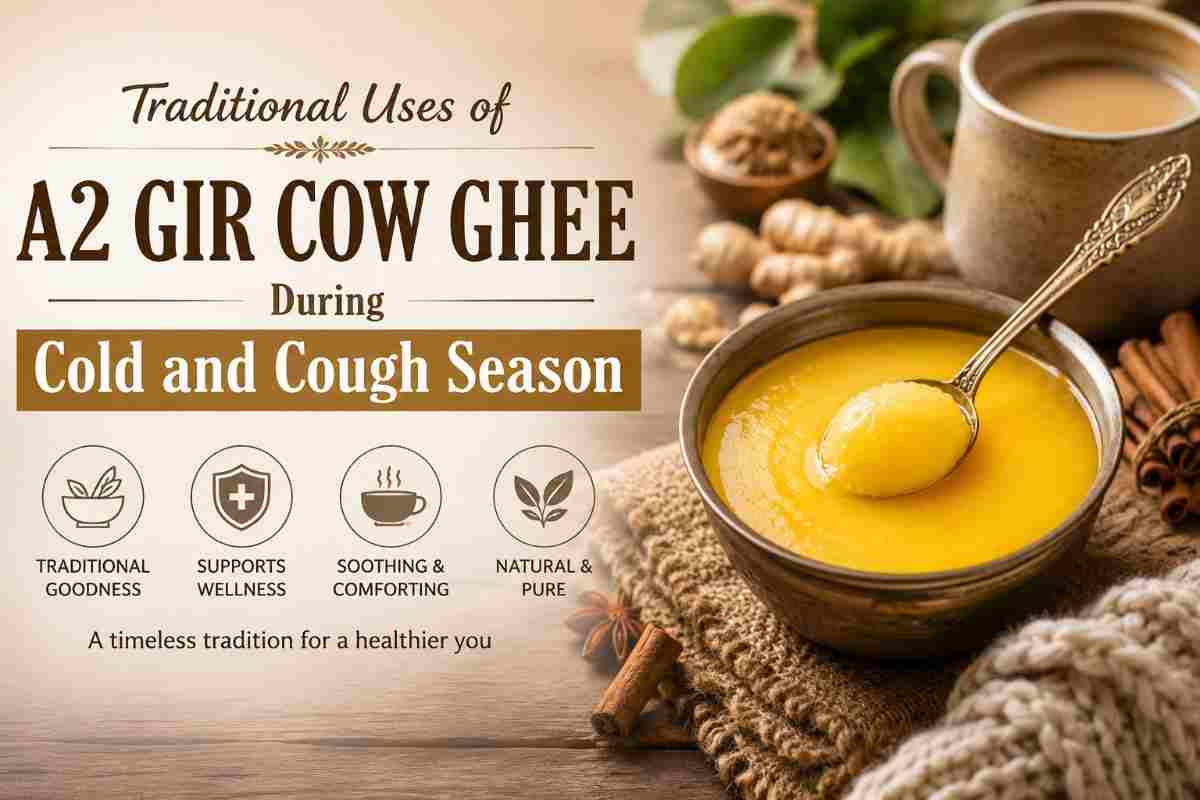
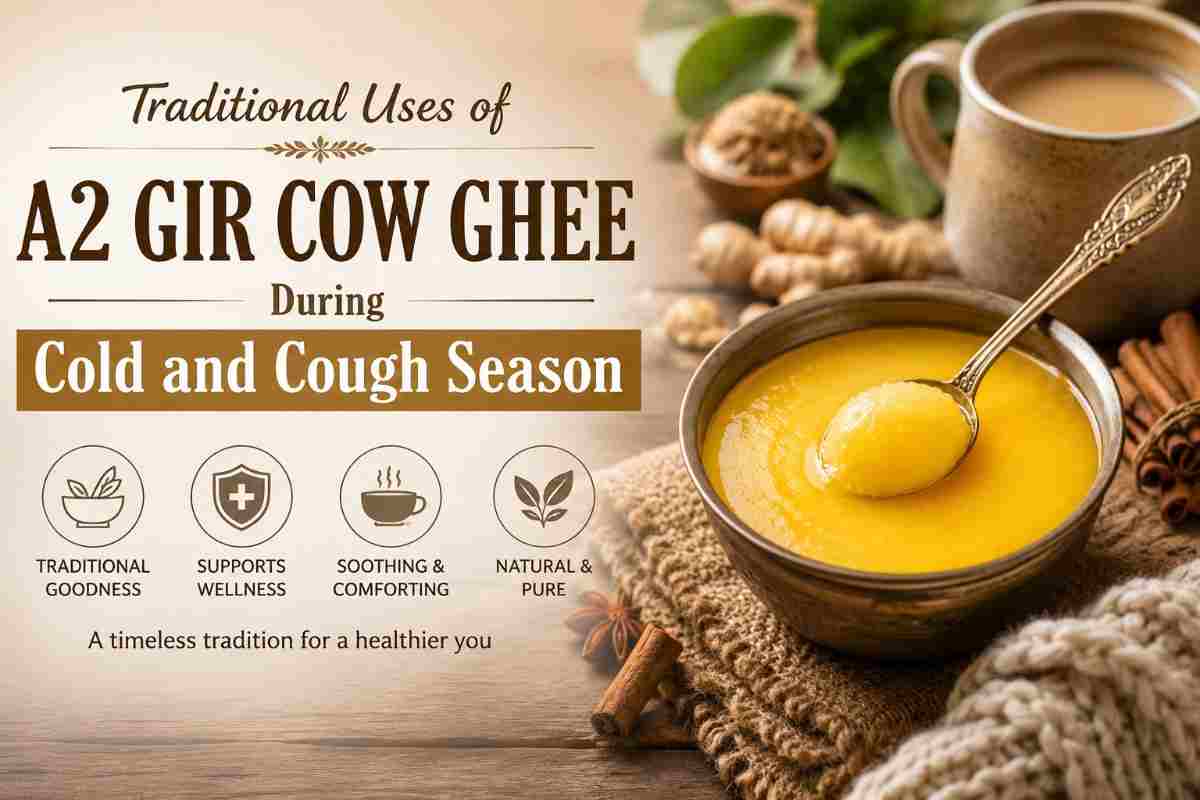
When the weather turns cold, many Indian households naturally return to traditional foods and home remedies that have been part of everyday cooking for generations. Warm meals, herbal drinks, spices, and desi ghee often become more common during this time. Among these traditional foods, A2 Gir Cow Ghee has a special place because of its rich taste and its connection with Indian culinary traditions.
Ghee has traditionally been used with warm foods, milk, dal, khichdi, and rotis. During the colder months, families may also include it in their daily meals as a source of dietary fat. But what makes ghee particularly interesting during cold and cough season? Let’s explore its traditional uses and some simple ways to include it in your winter routine.
Why Is Ghee Traditionally Used During Cold Weather?
Winter often changes the way we think about food. We start to crave hearty meals that feel good inside. Comfort becomes important. Many of us naturally turn to foods that give us a sense of warmth and care. In homes, Desi ghee has long been a part of winter cooking for just this reason.
Unlike processed cooking fats, traditional ghee has a special smell, a smooth texture, and a rich taste that makes it stand out. A2 Gir Cow Ghee made using the Bilona method comes from the milk of Gir cows. This method is traditional and slow. It starts with curd, which is churned to get butter. Then the butter is gently heated until it becomes ghee. The process takes time. It brings out the best in the milk.
For families, making ghee this way is not just about cooking. It is a way of keeping traditions alive. It connects them to their culture, to their ancestors, and to a time when food was made with care. The taste is important. The memory and the ritual matter just as much.
Traditional A2 Gir Cow Ghee Benefits in Cold and Cough Season
There is a long-standing tradition of using ghee in warm foods and homemade preparations during colder months. While ghee should not be considered a cure for cold or cough, its smooth texture makes it a popular ingredient in comforting winter recipes.
One commonly discussed A2 Gir Cow Ghee benefit in the winter season is its use in warm foods and drinks that may feel soothing when the throat feels dry or uncomfortable. Some people traditionally add a small amount of ghee to warm milk or use it with soft foods such as khichdi.
The benefit here is more about its role as part of a warm, balanced meal rather than treating the underlying cause of a cold or cough.
Desi Ghee for Cold and Cough: Traditional Kitchen Practices
Across Indian households, Desi Ghee for Cold and Cough is often associated with simple homemade preparations. One traditional approach is to combine a small quantity of ghee with warm food rather than consuming it by itself.
For example, freshly prepared khichdi topped with a spoonful of ghee can make a simple meal more flavourful and satisfying. Similarly, ghee can be added to dal, roti, or warm rice. These familiar combinations are especially appealing when you want something warm and comforting during chilly weather.
It is important to remember that these are traditional food practices, not medical treatments. Persistent, severe, or worsening cold and cough symptoms should be discussed with a healthcare professional.
How the Bilona Method Adds to the Tradition
The method used to prepare ghee can be just as important to consumers as the final product. The Bilona method is an old Indian preparation technique traditionally involving milk, curd, hand-churning, butter separation, and slow heating.
With Bilona preparation, milk is first converted into curd. The curd is then churned to obtain butter, which is subsequently heated to make ghee. This differs from some modern large-scale methods that may involve direct cream separation.
For people interested in traditional foods, choosing Authentic A2 Bilona Ghee made through the Bilona process can be a way of staying connected with these traditional preparation practices while enjoying ghee in everyday meals.
Simple Ways to Include Ghee During Winter
You don't need complicated recipes to enjoy ghee during cold weather. Some of the easiest options are already familiar in Indian kitchens.
1. Add it to khichdi
A little ghee over hot khichdi adds richness and aroma while making the meal more satisfying.
2. Use it with dal and rice
A spoonful of ghee mixed into warm dal and rice is a classic combination that works particularly well during winter.
3. Spread it over warm roti
Freshly cooked roti with a little ghee is a simple traditional option for breakfast, lunch, or dinner.
4. Add it to warm milk
Some households traditionally add a small amount of ghee to warm milk. If you enjoy this combination, it can be part of your evening routine.
5. Use it in homemade winter recipes
Ghee can also be used when preparing traditional sweets and savoury dishes commonly enjoyed during colder months.
Choosing Good-Quality Ghee
If ghee is going to become part of your regular diet, quality and sourcing are worth considering. Look for information about the milk source, preparation method, ingredients, and processing practices.
Consumers specifically looking for traditional ghee may prefer products made from indigenous cow milk and prepared using methods such as Bilona. Organic sourcing and transparent production practices can also be useful factors when comparing different options.
At the same time, ghee is calorie-dense, so moderation matters. A balanced diet should include a variety of foods rather than relying heavily on any single ingredient.
A Traditional Food for a Modern Winter Routine
The popularity of ghee during winter isn't simply a recent trend. It reflects a food tradition that has continued across generations. From a warm bowl of dal and rice to homemade khichdi and roti, ghee has long been used to add richness and flavour to everyday Indian meals.
The traditional use of Desi Ghee For Cold And Cough season should therefore be understood in the context of food and household practices, rather than as a replacement for proper medical care. Similarly, including A2 Gir Cow Ghee in your winter meals can be a simple way to enjoy a traditional ingredient while maintaining a balanced diet.
Ultimately, winter eating is often about returning to warm, familiar, and nourishing foods. A good-quality ghee prepared through traditional methods can fit naturally into that routine - one spoonful at a time.