Munakka Bhang Goli Ingredients: How Herbs and Cannabis Leaf Compare in Traditional Formulations
-

- Published Updated
- 3,636 views
The study of traditional Indian ethnobotanical preparations reveals a complex interplay between active botanical components and supportive herbal matrices. Among these, formulations containing cannabis leaves (Cannabis sativa)—commonly known as bhang goli or munakka vati—occupy a distinctive place in cultural, historical, and Ayurvedic contexts.To understand these mixtures from a botanical and historical perspective, one must examine their raw components and the traditional contexts in which they are categorized.
The Core Blueprint: Cannabis Leaf vs. Herbal Base
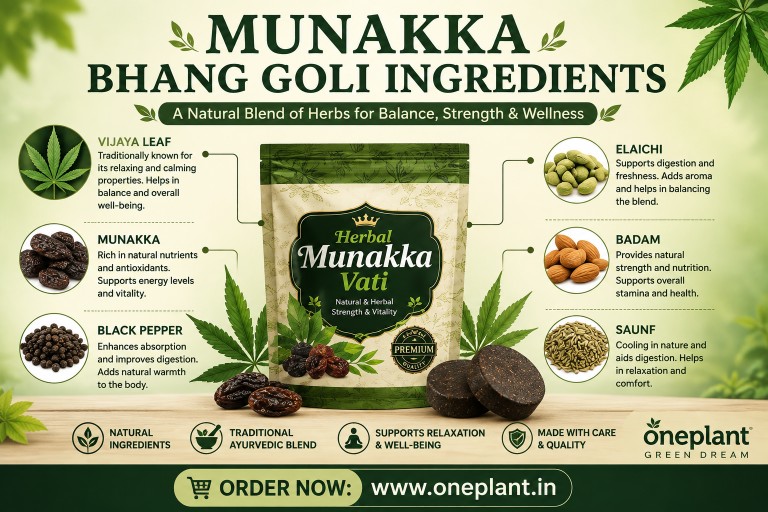
Traditional formulations generally consist of specific plant matter combined with culinary spices and dried fruits.1. The Legal and Botanical Status of the LeafIn specific traditional Indian frameworks, the component used is derived from the leaves of the cannabis plant. Under regulatory frameworks like India’s Narcotic Drugs and Psychotropic Substances (NDPS) Act, the leaf is legally distinguished from the resin and flowering tops. The leaf contains various phytochemicals that are subject to strict regional regulations and quality control standards.2. The Binding Vehicle: Munakka (Raisins) and DatesHistorically, raw leaf paste was often incorporated into a base of munakka (large black raisins) or dates. In traditional preparations, this fruit matrix served primarily as a culinary binder to alter the texture and mask the naturally bitter taste of the plant matter.3. The Supportive Spice BlendClassic recipes often incorporated a standard mix of traditional kitchen spices, including black pepper (kali mirch), ginger (sonth), rock salt (sendha namak), and cumin (jeera). In traditional systems, these additions were intended for flavor and to support general digestion, according to historical dietary practices.
Commercial Variations: Formulations and Traditional Context
Different traditional preparations adjust these basic ingredients to achieve specific textures and profiles within folk heritage.Bhola Munakka Vati Uses and PropertiesProducts historically referred to as Bhola Munakka utilize a fruit-heavy base. Documented traditional accounts of bhola munakka vati benefits and bhola munakka vati uses were largely tied to cultural festivals or historical folk use, where the combination of dried fruits and regional plants was utilized under specific traditional guidelines.Mahakal Vati Uses and Physical StructureIn contrast, formulations labeled as Mahakal Vati generally feature a firmer structure. Traditional descriptions of mahakal vati uses often involve different binding agents, such as herbal gums or dried rose petal preserves (gulkand), altering the physical consistency of the preparation.Evaluating Bhang Goli Benefits and Side EffectsA balanced analysis of bhang goli benefits and side effects is essential for understanding the health and legal risks associated with these substances.
| Potential Traditional Context | Acute Clinical Side Effects & Risks ⚠️ |
|---|---|
| • Historical Usage: Used in specific traditional relaxation practices. • Culinary Elements: Spices used to assist taste and digestion. |
• Psychological Distress: Can trigger severe anxiety, panic, and paranoia. • Cardiovascular Strain: Associated with sudden changes in heart rate. • Delayed Effects: High risk of adverse reactions due to delayed onset. |
Because oral consumption of unregulated or potent botanicals affects individuals differently, the physical and psychological impact can be highly unpredictable and carry significant health risks.
Conclusion
The study of munakka bhang goli highlights the intersection of historical herbal practices and modern regulatory challenges. For individuals researching or navigating these traditional mixtures where legally permitted, prioritizing laboratory-tested, standardized formulations from authorized platforms like Oneplant ensures quality control and compliance with local laws. Always seek the advice of a qualified medical professional regarding health concerns or botanical products.Frequently Asked Questions (FAQs)1. What is the role of spices like black pepper in these traditional formulations?
In traditional preparations, black pepper and other spices were added primarily for flavor and to align with historical dietary practices regarding digestion.2. Are the ingredients in street-bought formulations identical to licensed brands?
No. Unregulated products often lack uniform standards and carry a high risk of contamination from heavy metals, pesticides, or microbes due to a lack of hygienic manufacturing controls.3. How do the natural ingredients affect the storage of the product?
Because these formulations rely on natural fruit bases like raisins without artificial preservatives, they are sensitive to ambient moisture and require specific storage to prevent spoilage.4. Can the herbal ingredients cause allergic reactions?
Yes. Individuals can experience sensitivities or allergic responses to any of the component ingredients, such as specific spices or dried fruits, independently of any other botanical content.5. What are the primary safety concerns regarding these products?
The primary concerns involve the unpredictability of the effects, potential psychological distress, cardiovascular strain, and the risks associated with consuming unregulated or unstandardized botanical ingredients