How to Choose the Best Face Wash for Glowing Skin (Plus Body Acne Soap Guide)
-

- March 19th, 2026
- 807 views

FREE SEO Topical Map Generator: Find Your Next Content Ideas
Best face wash for glowing skin: what to pick and why it matters
The best face wash for glowing skin starts with the right ingredients and a routine that reduces irritation while supporting natural radiance. Choosing a face cleanser that matches skin type, combines gentle exfoliation when needed, and avoids pore-clogging ingredients is the foundation. This guide also covers body acne soap options for common problems like bacne and chest acne.
- Look for pH-balanced, non-comedogenic cleansers with targeted actives (salicylic acid, glycolic, or mild enzymes).
- Use a different product for body acne (clarifying bar or wash with salicylic acid or benzoyl peroxide) and rinse thoroughly.
- Follow the GLOW-C checklist (Gentle, Lather, pH, Active, Wash-off, Care) for consistent results.
How to choose the best face wash for glowing skin
Match cleanser type to skin concerns
Skin type determines the cleanser family to prioritize. Gentle foaming cleansers often suit oily and combination skin; cream or lotion cleansers fit dry or sensitive skin; gel cleansers and low-concentration acid washes work well for acne-prone skin. For a subtle glow, pick formulas that remove dead skin cells without stripping natural oils.
Key ingredients and what they do
- Salicylic acid (BHA): unclogs pores, helps break down comedones—use for acne-prone skin.
- Glycolic or lactic acid (AHAs): mild exfoliation to brighten texture and glow.
- Enzymes (papain, bromelain): gentle exfoliation for sensitive skin.
- Hyaluronic acid, glycerin: hydration without oiliness—supports a dewy finish.
- Non-comedogenic emollients and fragrance-free formulas reduce irritation risk.
Body acne soap: what works for bacne and chest acne
Active cleansers for the body
Body acne soap for bacne often contains either salicylic acid or benzoyl peroxide. Salicylic is oil-soluble and penetrates clogged pores; benzoyl peroxide kills acne-causing bacteria and reduces inflammation. Many dermatology guidelines recommend these actives for moderate body acne—follow concentration and usage instructions to avoid drying or bleaching fabrics. For persistent or cystic acne, consult a dermatologist or a professional guideline such as the American Academy of Dermatology official guidance.
GLOW-C checklist: a named framework for daily cleansing
Use the GLOW-C checklist to evaluate any face wash or body soap before adding it to a routine.
GLOW-C steps
- Gentle: Is the formula low-irritant and suitable for the skin type?
- Lather: Does it clean without over-stripping? Foam level is a clue but not a requirement.
- pH: Is the product pH-balanced or advertised as pH around 4.5–6 for face products?
- Active: Does it include an appropriate active (salicylic, AHA, enzyme) for the concern?
- Wash-off: Is it intended as a rinse-off cleanser with clear instructions?
- Care: Are follow-up steps (moisturizer, sunscreen) recommended and compatible?
How to use face wash and body acne soap in a routine
Step-by-step routine
- Wet skin with lukewarm water; avoid hot water which strips lipids.
- Apply a nickel-to-penny-sized amount of face wash; massage gently for 30–60 seconds.
- Rinse thoroughly and pat dry; follow with moisturizer and SPF in daytime.
- For body acne, apply a wash or bar containing salicylic acid or benzoyl peroxide and leave on for the recommended contact time before rinsing, if directed.
- Introduce exfoliating or acid-based cleansers 2–3 times per week initially, then adjust frequency based on tolerance.
Practical tips
- Start low and slow—begin with lower concentrations of acids and increase only if tolerated.
- Use a separate product for face and body acne; body washes with benzoyl peroxide can bleach fabrics.
- Patch-test new actives on a small skin area to check for sensitivity before full use.
- Keep routines simple: consistent cleansing, targeted active, moisturizer, and sunscreen for daytime.
Common mistakes and trade-offs
Over-exfoliation is a frequent error—too many acids or mechanical scrubs can worsen inflammation and compromise the skin barrier. Fragrance and high-alcohol cleansers can produce immediate tightness followed by rebound oiliness. Choosing a powerful acne-clearing ingredient may speed results but often increases dryness; balance with hydrating, non-comedogenic moisturizers. Powdered or medicated soaps might be drying for facial skin even if effective on the body.
Short real-world example
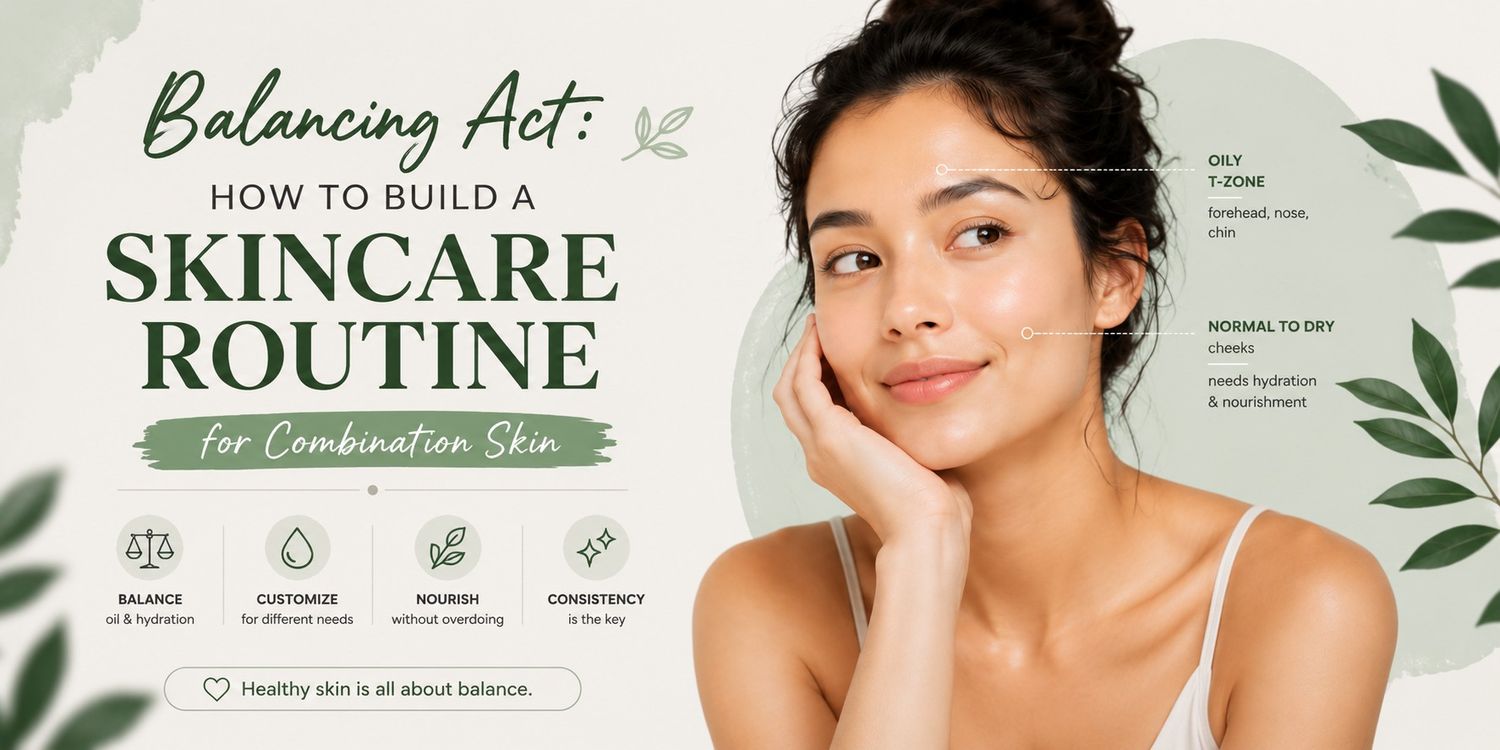
Scenario: Someone with combination skin, occasional breakouts, and back acne. Morning: gentle hyaluronic acid–boosting cleanser for face, moisturizer, and SPF. Evening: a gentle exfoliating face wash with low-dose glycolic acid twice weekly, otherwise a mild foam cleanser. For the back, a salicylic-acid body wash used every other day with thorough rinsing and a non-comedogenic body lotion afterward. Track changes over 4–6 weeks and reduce frequency if irritation appears.
Core cluster questions
- Which ingredients brighten skin without causing irritation?
- How often should a gentle exfoliating face wash be used?
- What is the difference between salicylic acid and benzoyl peroxide for body acne?
- How to layer acne treatments with moisturizers and sunscreen?
- When should a dermatologist be consulted for persistent body acne?
Final checklist before buying
- Confirm skin type and primary concern (dryness, oiliness, acne, sensitivity).
- Check active ingredient concentration and intended frequency.
- Prefer pH-balanced, non-comedogenic, fragrance-free options for sensitive skin.
FAQ: What is the best face wash for glowing skin?
The best face wash for glowing skin is a gentle, pH-balanced cleanser that includes mild exfoliating ingredients (low-concentration AHAs, BHAs, or enzymes) matched to skin type—combined with consistent moisture and sun protection to enhance radiance.
How do I treat body acne without irritating skin?
Choose a body acne soap with salicylic acid or benzoyl peroxide and use it as directed, avoid excessive scrubbing, and follow with a non-comedogenic moisturizer. If irritation occurs, reduce frequency or switch to a lower concentration product.
Can a gentle exfoliating face wash remove dark spots?
Regular use of mild AHAs or enzyme-based exfoliants can improve surface pigmentation over time by speeding cell turnover, but visible improvement often requires several weeks and complementary treatments like sunscreen to prevent recurrence.
How soon will skin look better after switching cleansers?
Noticeable changes in texture and oil control can appear within 2–4 weeks, while improvements in discoloration and acne lesions may take 6–12 weeks. Monitor tolerance and avoid switching multiple products at once.