How Long Does ACL Injury Treatment Take? Recovery Explained
-

- Published Updated
- 8,060 views
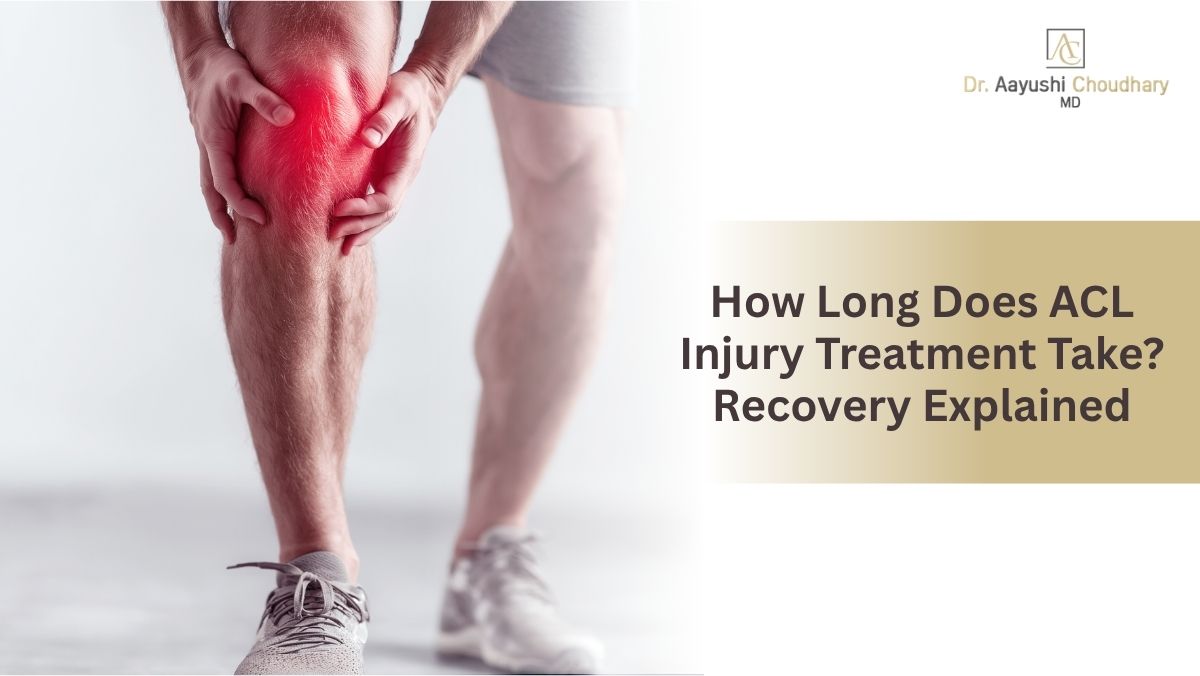
A knee injury can affect daily movement, sports performance, and overall quality of life. Among common sports-related knee injuries, an ACL tear is one of the most serious because it impacts the stability of the knee joint. Many people diagnosed with an ACL injury often ask, how long does ACL injury treatment take? The answer depends on the severity of the tear, the treatment approach, and how well the patient follows rehabilitation. If you are looking for ACL injury treatment in Jaipur ACL injury treatment in Jaipur, understanding the treatment timeline and recovery process can help you make informed decisions.
What Is an ACL Injury?
The anterior cruciate ligament (ACL) is one of the major ligaments in the knee that connects the thigh bone (femur) to the shin bone (tibia). It plays a key role in stabilizing the knee during walking, running, jumping, and sudden changes in direction.
An ACL injury usually occurs due to:
- Sudden twisting of the knee
- Sports injuries during football, basketball, cricket, or running
- Landing incorrectly after a jump
- Direct trauma to the knee during accidents
A partial or complete tear may require different forms of ACL ligament injury treatment, depending on the severity.
Common Symptoms of an ACL Tear
People with an ACL injury may experience:
- A popping sound in the knee at the time of injury
- Severe pain and swelling
- Difficulty walking
- Knee instability or “giving way” sensation
- Reduced range of motion
If these symptoms occur, timely ACL tear diagnosis and treatment is important to prevent further knee damage.
How Is ACL Injury Diagnosed?
Before starting ACL injury treatment in Jaipur, an orthopedic specialist may perform:
- Physical examination
- Lachman test or pivot shift test
- MRI scan for ligament damage assessment
- X-rays to rule out fractures
A skilled orthopedic doctor for ACL injury can determine whether the injury needs conservative management or surgery.
ACL Injury Treatment Options
Treatment depends on age, activity level, severity of tear, and lifestyle.
1. Non-Surgical ACL Injury Treatment
Partial tears or less active individuals may benefit from non-surgical care, including:
- Rest and knee bracing
- Ice therapy
- Pain management with medications
- Physiotherapy
- Strengthening exercises
A qualified Pain Specialist in Jaipur may help manage pain and inflammation during early recovery.
Recovery Time:
Non-surgical ACL injury recovery treatment may take around 8 to 12 weeks, followed by rehabilitation.
2. Surgical ACL Treatment
Complete tears, athletes, or people with unstable knees may require:
- ACL surgery treatment
- ACL reconstruction surgery using grafts
- Knee ligament repair surgery
An experienced ACL surgery specialist in Jaipur or knee ligament surgeon in Jaipur may recommend surgery when stability cannot be restored through therapy alone.
How Long Does ACL Injury Treatment Take?
Recovery from ACL injury happens in stages.
Stage 1: Immediate Injury Phase (First 1–2 Weeks)
Goals include:
- Reducing pain and swelling
- Protecting the knee
- Regaining basic motion
Treatment may include:
- Ice application
- Compression
- Crutches
- Pain medications
- Early physiotherapy
This stage is important before deciding on surgery or further knee ligament injury treatment.
Stage 2: Prehabilitation (2–6 Weeks)
Before surgery, doctors often recommend strengthening the muscles around the knee.
This includes:
- Quadriceps strengthening
- Range of motion exercises
- Swelling control
- Balance exercises
Good prehab improves outcomes in ACL reconstruction surgery.
Stage 3: ACL Surgery Recovery (0–6 Weeks After Surgery)
If surgery is performed, the first few weeks focus on:
- Pain management
- Knee protection
- Gentle movement exercises
- Walking with support
Patients usually begin ACL rehabilitation treatment under supervision.
Stage 4: Rehabilitation Phase (6 Weeks to 6 Months)
This is one of the most important parts of recovery.
ACL physiotherapy in Jaipur may include:
- Strength training
- Flexibility exercises
- Knee stability work
- Balance and coordination drills
- Walking and movement correction
This phase is essential in restoring knee function.
Stage 5: Return to Sports (6–9 Months or Longer)
Athletes and active individuals may require advanced rehab for:
- Running
- Jumping
- Agility drills
- Sport-specific exercises
Complete sports injury rehabilitation in Jaipur may take 9 to 12 months, depending on recovery.
ACL Tear Recovery Time: Timeline Explained
Here is a general recovery timeline:
The recovery timeline for an ACL injury varies from person to person, depending on the severity of the tear, the type of treatment chosen, and how well the patient follows rehabilitation. In the initial phase, pain and swelling control usually take around 1 to 2 weeks, during which rest, ice therapy, compression, and early movement exercises are recommended. If surgery is planned, pre-surgery rehabilitation may continue for about 2 to 6 weeks to strengthen the knee and improve flexibility before the procedure.
After ACL surgery treatment or ACL reconstruction surgery, the early recovery phase generally lasts 4 to 6 weeks, focusing on pain control, regaining motion, and walking with support. The next stage involves strength and mobility rehabilitation, which may continue for 3 to 6 months, where patients undergo physiotherapy, muscle strengthening, balance training, and knee stability exercises. For athletes or active individuals, returning to sports often takes 6 to 12 months, depending on knee strength, healing progress, and successful completion of sports injury rehabilitation in Jaipur. Since every ACL injury is different, recovery may vary, and following the guidance of an experienced orthopedic doctor is essential for the best outcome.
The exact ACL tear recovery time depends on:
- Age
- Severity of injury
- Type of treatment
- Surgical technique
- Commitment to physiotherapy
- Overall health
Factors That Affect ACL Recovery
Severity of Tear
Partial tears may heal faster than complete ruptures requiring surgery.
Associated Knee Damage
Meniscus tears or cartilage damage can extend recovery time.
Rehabilitation Compliance
Skipping therapy can delay healing.
Fitness Level
Athletes often recover differently based on muscle conditioning.
Pain Management
Proper support from a Pain Specialist in Jaipur can improve comfort during rehabilitation.
Is Surgery Always Necessary?
No. Not every ACL injury needs surgery.
Surgery may be recommended if:
- The ACL is completely torn
- Knee instability affects daily life
- You play sports or lead an active lifestyle
- Other knee structures are damaged
Conservative ACL tear treatment in Jaipur may work in selected cases.
Importance of Physiotherapy in ACL Recovery
Even after surgery, recovery does not end there.
ACL physiotherapy in Jaipur helps with:
- Muscle strengthening
- Improving flexibility
- Restoring balance
- Preventing stiffness
- Reducing re-injury risk
Physiotherapy is a major part of successful ACL rehabilitation treatment.
When Should You See a Specialist?
You should seek medical attention if:
- Knee pain persists after injury
- Swelling increases
- You cannot bear weight
- Knee feels unstable
- Movement becomes restricted
An experienced ACL surgery specialist in Jaipur or sports injury expert can recommend the best treatment plan.
Conclusion
The answer to how long does ACL injury treatment take depends on the type of injury and treatment chosen. Mild cases may improve in a few weeks, while surgical recovery can take 6 to 12 months. Proper diagnosis, expert care, and dedicated rehabilitation are key to successful healing. If you are searching for ACL injury treatment in Jaipur, consulting a qualified orthopedic expert for early diagnosis and personalized treatment can help restore knee function and improve recovery outcomes.