Acoustic Ceiling Tiles Market Shifts: Evolving Design Preferences, Sustainability, and Performance Innovations
-

- Published Updated
- 45 views
Introduction
The Acoustic Ceiling Tiles Market Shifts reflect changing expectations across commercial construction, residential development, healthcare facilities, educational institutions, and industrial buildings. Acoustic ceiling tiles were traditionally selected primarily for their ability to reduce noise and improve sound absorption. Today, buyers increasingly evaluate these products based on a broader combination of acoustic performance, visual appeal, sustainability, installation efficiency, durability, and indoor environmental quality.
As building designs evolve, manufacturers are adapting their products to accommodate flexible workspaces, energy-conscious construction, modern interior aesthetics, and stricter performance requirements. These changes are reshaping product development, procurement decisions, distribution strategies, and competition across the acoustic ceiling industry.
Transition Toward Sustainable Ceiling Materials
Sustainability has become a major influence on purchasing decisions in the acoustic ceiling tiles market. Architects, contractors, and building owners are paying closer attention to the environmental impact of construction materials throughout their life cycles.
Manufacturers are responding by developing tiles that incorporate recycled content, renewable materials, and production processes designed to reduce waste. Mineral fiber, recycled cellulose, and other resource-efficient materials remain important options, while bio-based alternatives are attracting interest as the construction industry explores lower-impact solutions.
Recyclability is another emerging consideration. Building owners increasingly prefer ceiling systems that can be removed, replaced, or recovered without generating unnecessary construction waste. Products that support circular material practices may gain an advantage in renovation projects and environmentally conscious developments.
This shift also encourages manufacturers to communicate product composition, durability, and end-of-life options more clearly. Sustainability is becoming part of the overall value proposition rather than an optional feature.
Growing Demand for Improved Indoor Acoustics
Modern buildings must support concentration, communication, privacy, and comfort. This requirement is driving demand for ceiling tiles that provide effective sound absorption across different types of indoor environments.
Open-plan offices are an important example. Although collaborative layouts encourage interaction, they can also increase background noise and reduce employee concentration. Acoustic ceiling systems help control sound reflections and create more comfortable working conditions.
Educational facilities present similar requirements. Classrooms, libraries, lecture halls, and training centers benefit from acoustic treatments that improve speech intelligibility. In healthcare environments, effective noise management can support patient comfort, communication, and privacy.
Consequently, buyers are increasingly examining measurable acoustic characteristics, including noise reduction coefficients, sound transmission performance, and suitability for specific room configurations. This trend favors products designed around application-specific performance rather than standardized appearance alone.
Shift Toward Flexible and Modern Interior Designs
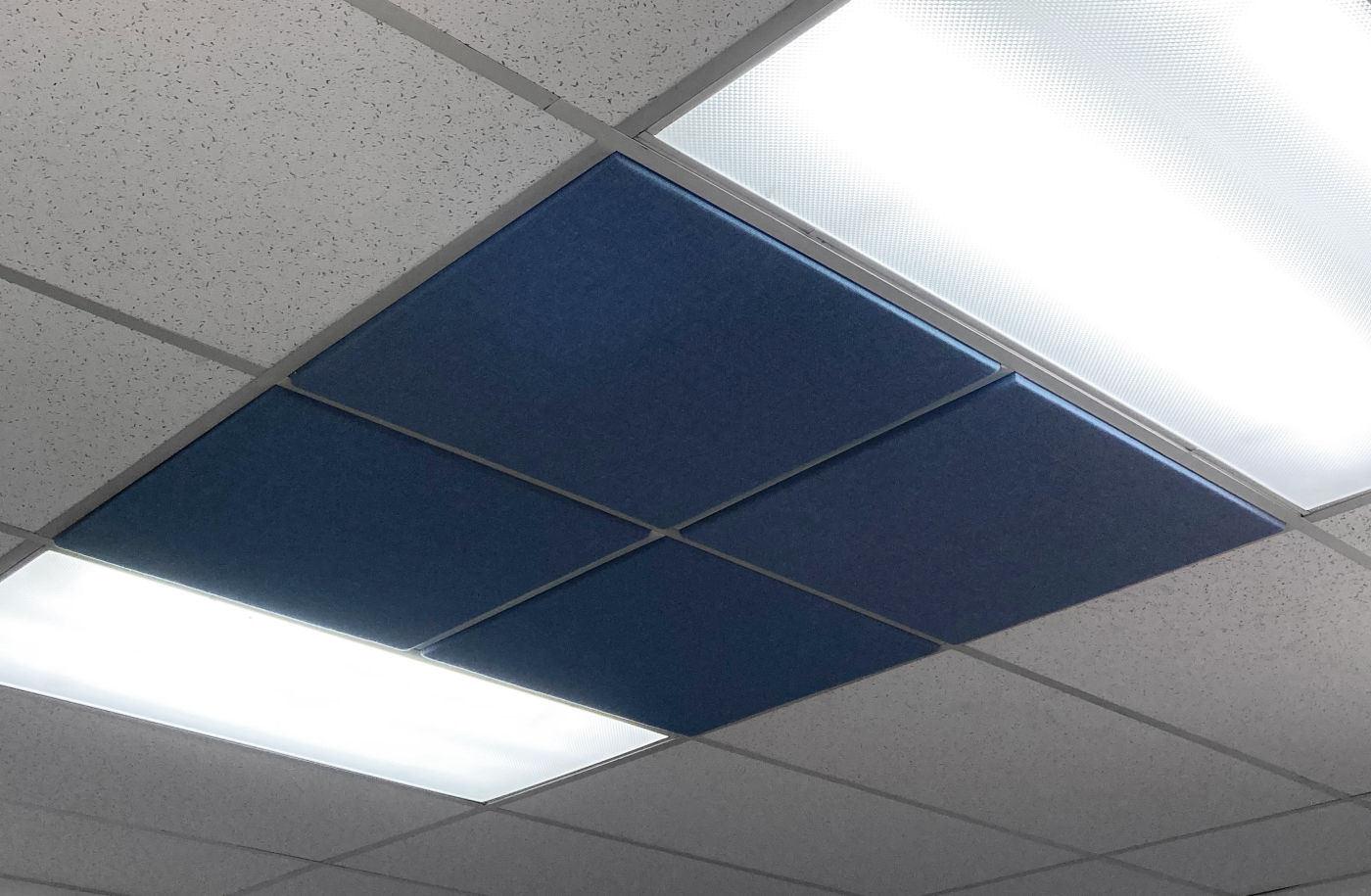
Interior design preferences are expanding beyond conventional white, square ceiling panels. Contemporary commercial spaces increasingly incorporate distinctive textures, contrasting finishes, geometric patterns, and customized ceiling arrangements.
Manufacturers are broadening their portfolios to include different shapes, dimensions, edge details, and surface treatments. These options allow designers to integrate acoustic performance into the visual identity of a building.
Suspended ceiling systems also offer flexibility when businesses need to reorganize workspaces or update interior layouts. Individual tiles can often be replaced without removing an entire ceiling assembly, making modular systems attractive for offices, retail establishments, and institutional buildings.
At the same time, exposed ceilings and industrial-style interiors have gained attention in some commercial settings. These spaces may require alternative acoustic solutions, such as suspended acoustic clouds, baffles, or strategically positioned panels. Although these products differ from conventional ceiling tiles, they influence the broader acoustic treatment market and encourage manufacturers to develop complementary systems.
Integration of Smart Building Requirements
Another important development involves the relationship between acoustic ceilings and increasingly sophisticated building infrastructure. Commercial properties are incorporating advanced lighting, ventilation, fire detection, occupancy monitoring, and other building technologies.
Ceiling systems must accommodate these components while maintaining accessibility and visual consistency. Manufacturers and installation contractors are therefore focusing on coordinated layouts that simplify maintenance and reduce interference between building services.
Some projects also explore the integration of acoustic elements with lighting systems and modular service components. These approaches can help create cleaner interiors and improve the use of available ceiling space.
However, integration requires careful planning. Designers must consider airflow, lighting distribution, fire safety, accessibility, and acoustic performance together. Products that support coordinated installation may become more attractive as building systems grow more complex.
Renovation Projects Reshape Market Demand
New construction remains an important source of demand, but renovation and refurbishment activities are increasingly influencing the acoustic ceiling tiles market. Older commercial buildings often require improvements to meet modern expectations for sound control, appearance, energy efficiency, and maintenance.
Offices may replace aging tiles to accommodate new layouts or improve workplace comfort. Schools and healthcare facilities may upgrade ceiling systems to address noise concerns, hygiene requirements, and deteriorating materials. Retail and hospitality properties may use ceiling renovations to refresh interiors without undertaking complete structural reconstruction.
Replacement demand can also benefit manufacturers that offer compatible dimensions, reliable availability, and straightforward installation. In occupied buildings, contractors often prefer solutions that minimize disruption and shorten project schedules.
These conditions create opportunities for modular products, lightweight panels, and systems that provide convenient access to electrical and mechanical infrastructure.
Product Innovation and Performance Differentiation
Competition is encouraging manufacturers to distinguish their products through improvements in acoustic efficiency, moisture resistance, durability, cleanability, and fire performance.
Certain environments require specialized materials. Healthcare facilities, laboratories, commercial kitchens, and industrial buildings may need ceiling products that address humidity, contamination risks, or demanding maintenance routines. Standard acoustic tiles may not be suitable for every application, making product selection dependent on environmental conditions and regulatory requirements.
Manufacturing improvements can also enhance consistency, reduce material waste, and support more efficient production. Digital design tools and computer-assisted planning help project teams calculate material requirements, coordinate panel arrangements, and reduce installation errors.
As buyers become more knowledgeable, technical documentation and dependable product performance are increasingly important. Manufacturers that combine attractive design with verified functional characteristics can strengthen their competitive position.
Regional Construction Patterns and Competitive Changes
Regional differences continue to shape market development. Rapid urbanization, commercial infrastructure investment, and educational construction can support demand in developing economies. Established construction markets may offer additional opportunities through office modernization, healthcare refurbishment, and sustainability-focused building upgrades.
Local building standards, labor costs, material availability, and climate conditions influence product preferences. For example, humid environments may require greater attention to moisture resistance, while densely occupied commercial buildings often prioritize sound absorption and ease of maintenance.
Competition is also evolving as manufacturers, distributors, architects, and installation specialists collaborate more closely. Suppliers increasingly need to provide technical guidance, reliable delivery, product customization, and after-sales support alongside competitive pricing.
Businesses that understand local construction practices and maintain dependable distribution networks may be better positioned to respond to changing customer requirements.
Challenges Influencing Market Transformation
Despite these opportunities, several barriers could slow adoption of advanced acoustic ceiling products. Higher upfront prices can discourage budget-sensitive buyers, particularly when standard alternatives appear adequate for immediate project needs.
Installation quality also affects performance. Incorrect suspension systems, poorly planned layouts, and unsuitable product selection can undermine acoustic benefits. In addition, inconsistent awareness of lifecycle costs may lead purchasers to prioritize initial expenditure over durability, maintenance, and long-term comfort.
Manufacturers must also manage raw material costs, production efficiency, environmental expectations, and compliance requirements. Balancing sustainability with fire safety, moisture resistance, and reliable acoustic performance requires ongoing product development.
Addressing these challenges through technical education, transparent product specifications, and practical installation guidance will remain important for sustained market growth.
Future Outlook for Acoustic Ceiling Tiles Market Shifts
The future of the acoustic ceiling tiles market will likely be shaped by the combined influence of sustainability, flexible interior design, renovation activity, and rising expectations for indoor comfort. Customers are moving toward solutions that deliver several benefits simultaneously rather than treating sound absorption as an isolated requirement.
Manufacturers that invest in recyclable materials, application-specific designs, dependable performance, and easier installation may be well positioned to respond to these evolving needs. Partnerships with architects, contractors, and building technology providers will also help companies address increasingly integrated construction projects.
Overall, Acoustic Ceiling Tiles Market Shifts indicate a transition from conventional ceiling products toward multifunctional building components that contribute to acoustic comfort, architectural quality, and responsible material use. Companies that adapt to these priorities while maintaining affordability and technical reliability can strengthen their position in an increasingly demanding construction environment.
Learn More: https://www.pristinemarketinsights.com/acoustic-ceiling-tiles-market-report