How Martial Arts Supports ADHD: Training for Focus and Discipline
-

- Published Updated
- 1,805 views
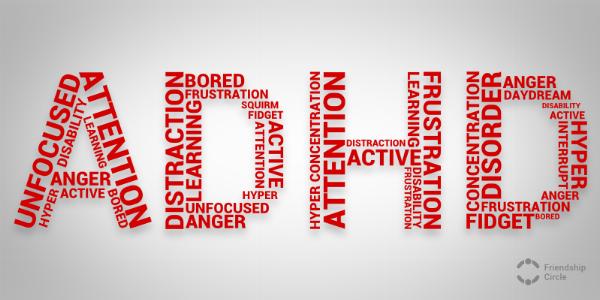
ADHD and martial arts are often discussed together because structured physical training can provide opportunities to practice attention, impulse control, and routine. Martial arts programs vary widely, but many include elements—such as repetition, clear rules, and instructor feedback—that align with goals for improving discipline and executive function.
- Martial arts training may support attention, self-regulation, and physical fitness for people with ADHD when adapted to individual needs.
- Benefits depend on class structure, instructor experience, and how skills are taught and reinforced.
- Consider safety, realistic goals, and communication with caregivers or health professionals when choosing a program.
How martial arts training relates to ADHD and martial arts
Martial arts classes typically combine physical activity with cognitive demands: learning sequences, following rules, and receiving immediate feedback. For individuals with attention-deficit/hyperactivity disorder (ADHD), these features can create repeated, predictable opportunities to practice working memory, impulse control, and cognitive flexibility. Terms frequently used in related research and practice include executive function, self-regulation, impulsivity, and behavioral rehearsal.
Potential benefits of martial arts for attention and behavior
Improved focus and sustained attention
Many martial arts drills require sustained attention to patterns and instructor cues. Short, structured practice segments with clear goals may help participants practice attentional control in a supported setting.
Self-discipline and routine
Class structure, belt systems, and ritualized warm-ups create predictable routines. Routine can reduce cognitive load and support habit formation, which may make it easier to follow behavioral expectations.
Controlled exertion and arousal regulation
Regular aerobic and anaerobic exercise influences neurotransmitters associated with attention and mood. Physical activity is often recommended as one component of a comprehensive approach to managing ADHD-related symptoms because it can affect arousal and stress regulation.
Choosing an appropriate style and program
Assess class structure and instructor approach
Look for programs that emphasize repetition, clear step-by-step instruction, brief focused drills, and positive, consistent feedback. Instructors who adapt pacing, use visual cues, and break skills into small units tend to be more effective for learners who benefit from extra structure.
Class size and environment
Smaller classes allow more individualized attention and immediate reinforcement. A non-competitive, cooperative environment can reduce performance pressure and help participants focus on skill-building rather than comparison.
Safety, adaptations, and realistic expectations
Physical safety and medical considerations
Ensure that programs follow standard safety practices for protective gear, warm-ups, and progression of contact. Communicating any mobility, sensory, or medical concerns to instructors before participation helps them adjust drills and expectations appropriately.
Behavioral adaptations
Common adaptations include using shorter practice intervals, visual schedules, cueing systems, and immediate, specific praise. Reward systems and clear, consistent consequences can reinforce desired behaviors while teaching new skills.
Evidence and reputable sources
What research shows
Studies examining physical activity and structured movement programs suggest possible improvements in attention, mood, and executive function, though outcomes vary by study design, participant characteristics, and program fidelity. Systematic reviews recommend integrating physical activity with behavioral and educational strategies for a comprehensive approach to ADHD-related challenges.
Official guidance and further reading
For prevalence data, diagnostic criteria, and general public health information about ADHD, refer to official sources such as the Centers for Disease Control and Prevention (CDC). More detailed clinical guidance may be available from pediatric or mental health professional organizations.
Tips for families, caregivers, and adult learners
Set realistic goals
Define clear, attainable objectives—such as improving attendance, learning specific techniques, or practicing self-control during class—rather than expecting broad symptom elimination from a single activity.
Communicate with instructors and support personnel
Share relevant information about medication timing, sensory preferences, and effective motivators. Ongoing communication helps align expectations and allows instructors to make reasonable accommodations.
When to consider other supports
Complementary strategies
Martial arts can be one element of a broader plan that may include academic supports, behavioral strategies, coaching, and consultation with education or mental health professionals. Integration with school-based supports or individualized education plans can reinforce gains made in extracurricular settings.
Professional consultation
If concerns arise about safety, significant behavioral issues, or co-occurring conditions, discussions with a pediatrician, licensed mental health professional, or educational specialist can help identify appropriate next steps. Official clinical guidance and diagnosis are provided by qualified professionals and relevant regulatory bodies.
Conclusion
Martial arts programs that emphasize structure, clear feedback, and incremental skill development can offer meaningful practice opportunities for attention, self-discipline, and physical fitness. Benefits vary by individual, program quality, and how well activities are adapted to specific needs. Combining martial arts with other evidence-based supports and professional guidance often leads to the most reliable outcomes.
Frequently asked questions
Can ADHD and martial arts training improve focus?
Participation in structured martial arts may provide repeated opportunities to practice attention and impulse control, which can support improvements in focus for some individuals. Outcomes depend on program structure, instructor methods, and individual differences.
Is martial arts safe for children with hyperactivity?
Many martial arts programs are safe when standard precautions are observed. Selecting age-appropriate activities, protective equipment, and instructors who adapt pacing and contact levels reduces risk. Discuss any medical or behavioral concerns with the program before starting.
How long until benefits are noticed?
Timeframes vary. Some participants report improvements in routine, focus, or mood within weeks, while measurable changes in skills like impulse control may take months and benefit from consistent practice and reinforcement across settings.
What should be communicated to instructors before starting?
Share information about attention patterns, sensory sensitivities, effective motivators, medication timing if applicable, and any medical restrictions. Clear communication helps instructors tailor instruction and expectations.
Are specific martial arts styles better for attention issues?
No single style is proven superior. Styles that emphasize structured repetition, short drills, and instructor feedback—rather than unpredictable sparring or prolonged free-form competition—may be more readily adapted for learners with attention differences.