ADNOC Approved Contracting Companies in Ruwais: Trends Defining the Future of Industrial Development
-
- Published Updated
- 7,424 views
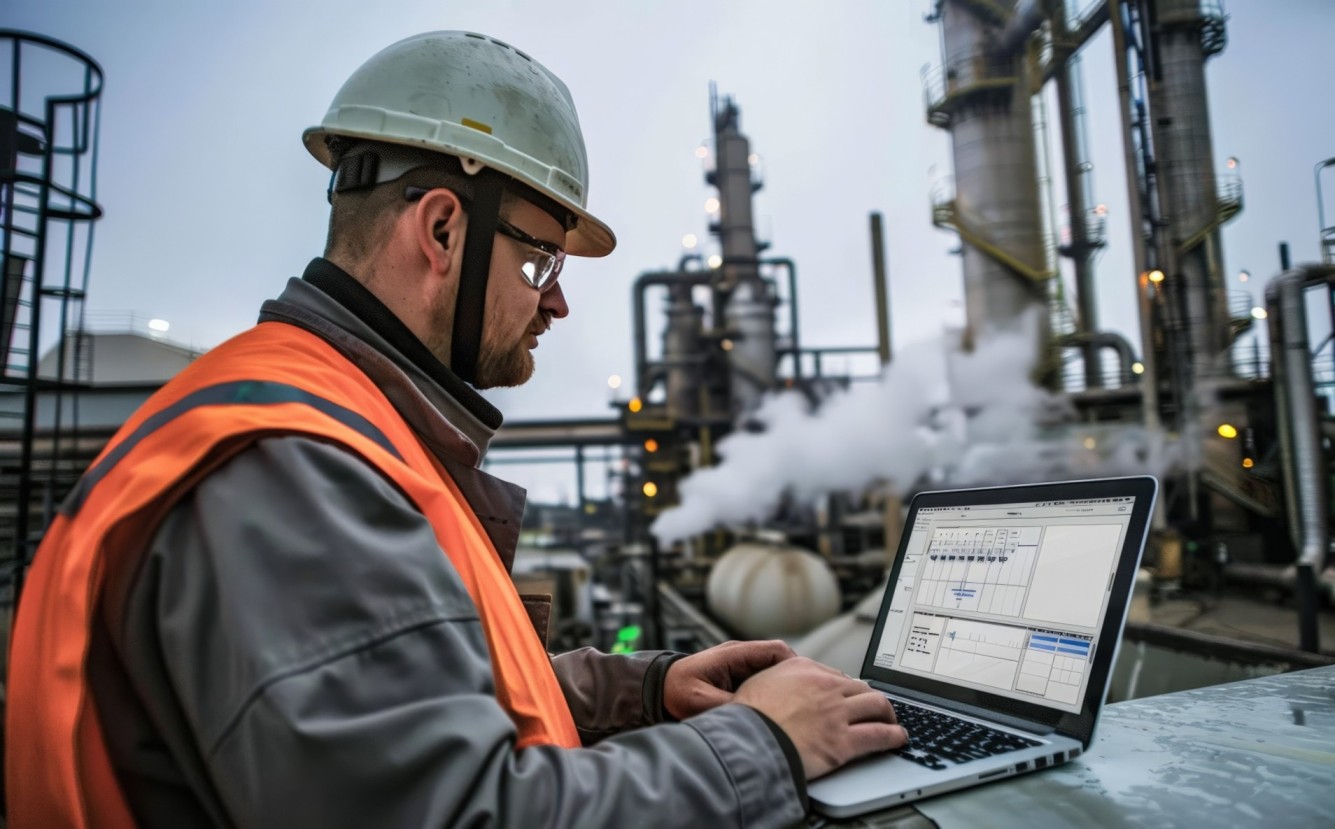
Ruwais is rapidly emerging as one of the UAE’s most strategically important industrial zones, driven by major investments in energy, petrochemicals, refining, and infrastructure. At the center of this transformation are ADNOC-approved contracting companies in Ruwais, which play a vital role in delivering complex industrial projects while meeting the highest standards of safety, quality, and operational efficiency.
As ADNOC continues expanding its downstream, LNG, and industrial capabilities, the role of approved contractors is becoming increasingly critical. These companies are not only responsible for construction and engineering execution but are also helping shape the future of industrial innovation in the region through advanced technologies, sustainable practices, and specialized technical expertise.
Industry insights shared by Tekzone highlight how the Ruwais contracting landscape is evolving rapidly, with the next five years expected to bring significant changes in project execution, digital transformation, workforce development, and environmental responsibility.
Why ADNOC-Approved Contractors Matter
ADNOC-approved contractors undergo a rigorous prequalification process that evaluates technical capability, financial stability, project experience, and compliance with strict HSE standards. Approval reflects a contractor’s ability to operate within highly regulated industrial environments where precision, reliability, and safety are essential.
In Ruwais, where large-scale oil, gas, and petrochemical facilities operate continuously, approved contractors are trusted to handle critical infrastructure and industrial operations. As ADNOC launches new expansion projects across LNG, refining, and petrochemicals, demand for qualified contractors with proven capabilities is expected to increase significantly.
Industrial Expansion Accelerating Demand
Ruwais has evolved beyond a traditional refinery zone into a fully integrated industrial ecosystem. Major developments in petrochemicals, energy infrastructure, and export facilities are generating substantial opportunities for engineering, procurement, and construction (EPC) contractors.
Large-scale investments in LNG production, downstream manufacturing, and industrial utilities are driving demand for contractors specializing in:
Industrial civil construction
Mechanical and electrical systems
Pipeline infrastructure
Process plant engineering
Industrial maintenance services
Marine and offshore works
This industrial growth is anticipated to establish ADNOC-approved contracting companies in Ruwais as long-term strategic partners in the UAE's industrial expansion plans.
Digital Transformation Reshaping Project Execution
Technology is becoming a significant competitive advantage in the Ruwais contracting sector. As projects become more complex and timelines shorten, contractors are increasingly adopting digital tools to enhance productivity, mitigate risk, and improve project visibility.
Key technologies transforming industrial contracting include:
Building Information Modelling (BIM)
Artificial Intelligence-based project planning
Drone-assisted inspections and monitoring
IoT-enabled predictive maintenance systems
Real-time construction tracking platforms
Digital safety monitoring solutions
Contractors that delay digital adoption may struggle to compete for large ADNOC tenders where real-time project monitoring is becoming a requirement.
Sustainability Becoming a Core Requirement
Sustainability is now a central component of industrial project development across the UAE. In line with the UAE Net Zero 2050 strategy, contractors are increasingly expected to integrate environmentally responsible practices into every stage of project execution.
Emerging sustainable construction trends in Ruwais include:
Use of low-carbon construction materials
Energy-efficient industrial systems
Modular and prefabricated construction methods
Water recycling and waste reduction technologies
Renewable energy integration within industrial facilities
Contractors that successfully align with sustainability goals are likely to gain a stronger competitive advantage in future ADNOC projects.
Growing Importance of ICV and Workforce Localization
The UAE’s In-Country Value (ICV) program continues to influence contractor selection across major industrial projects. ADNOC increasingly prioritizes companies that contribute to local economic development through workforce localization and local supply chain investment.
Leading contractors are now focusing on:
Emirati workforce development
Technical training initiatives
Partnerships with educational institutions
Local supplier engagement
Long-term skill development programs
Strong ICV performance has become a crucial factor in enhancing contractor competitiveness during project bidding and tender evaluations.
Specialization Driving Competitive Advantage
As industrial projects become more technically demanding, specialization is becoming essential for long-term growth. ADNOC projects in Ruwais require contractors with deep expertise in highly specialized sectors, including:
Oil and gas infrastructure
Offshore and marine construction
High-voltage electrical systems
Industrial automation
Heavy mechanical installation
Process plant civil engineering
This increasing technical complexity is driving contractors to form joint ventures, strategic partnerships, and mergers to enhance their capabilities and qualify for larger projects.
Compliance, Safety, and Quality Standards
In Ruwais, contractor performance is evaluated not only on cost but also on safety, reliability, and compliance. ADNOC maintains strict operational standards, making international certifications and strong HSE performance essential for contractors operating in the region.
Key competitive factors now include:
ISO and HSE certifications
Proven safety performance records
On-time project delivery
Quality assurance systems
Value engineering capabilities
Risk management and compliance frameworks
Contractors that consistently maintain high standards are better positioned to secure long-term industrial contracts.
Public-Private Partnerships Creating New Opportunities
Public-private partnerships (PPPs) are expanding across industrial and infrastructure sectors in Ruwais. This model is creating additional opportunities for ADNOC-approved contractors beyond traditional oil and gas projects.
Growth opportunities are emerging in:
Industrial infrastructure development
Worker accommodation facilities
Utility and transportation networks
Smart industrial communities
Logistics and support infrastructure
As PPP investments increase, contractors with diversified capabilities will benefit from a broader range of project opportunities.
Automation and Future Technologies Enhancing Safety
Safety remains one of the highest priorities within Ruwais’s industrial operations. To reduce risk and improve operational efficiency, contractors are increasingly adopting automation and advanced safety technologies.
These innovations include:
Robotic welding systems
AI-powered safety monitoring
Augmented reality (AR) training platforms
Automated inspection technologies
Remote industrial monitoring systems
Over the next few years, these technologies are expected to become standard across large industrial projects in Ruwais.
Future Outlook for the Ruwais Contracting Industry
The future of the Ruwais contracting sector will be shaped by innovation, sustainability, and increasing technical specialization. Contractors that embrace digital transformation, strengthen workforce capabilities, and maintain world-class safety standards will be better prepared to compete in an increasingly demanding industrial environment.
With ADNOC continuing to invest heavily in energy, petrochemicals, LNG, and infrastructure expansion, Ruwais is expected to remain one of the Middle East’s most important industrial development zones.
ADNOC’s multi-billion-dollar LNG expansion projects are expected to significantly increase EPC demand across Ruwais.
Conclusion
The transformation of Ruwais into a globally recognized industrial hub is closely linked to the expertise and capabilities of ADNOC-approved contracting companies operating in the area. These companies are driving industrial progress by delivering essential infrastructure projects while adapting to the changing industry expectations related to technology, sustainability, and operational excellence.
Contractors that successfully combine innovation, compliance, and specialized expertise will define the next phase of industrial growth in Ruwais.
As the region enters a new phase of industrial growth, contractors that invest in innovation, compliance, workforce development, and specialized engineering capabilities will play a major role in shaping the future of the UAE’s industrial and energy sectors.