Could Aerospace Engineering Be the Right Career for You?
-

- Published Updated
- 1,694 views
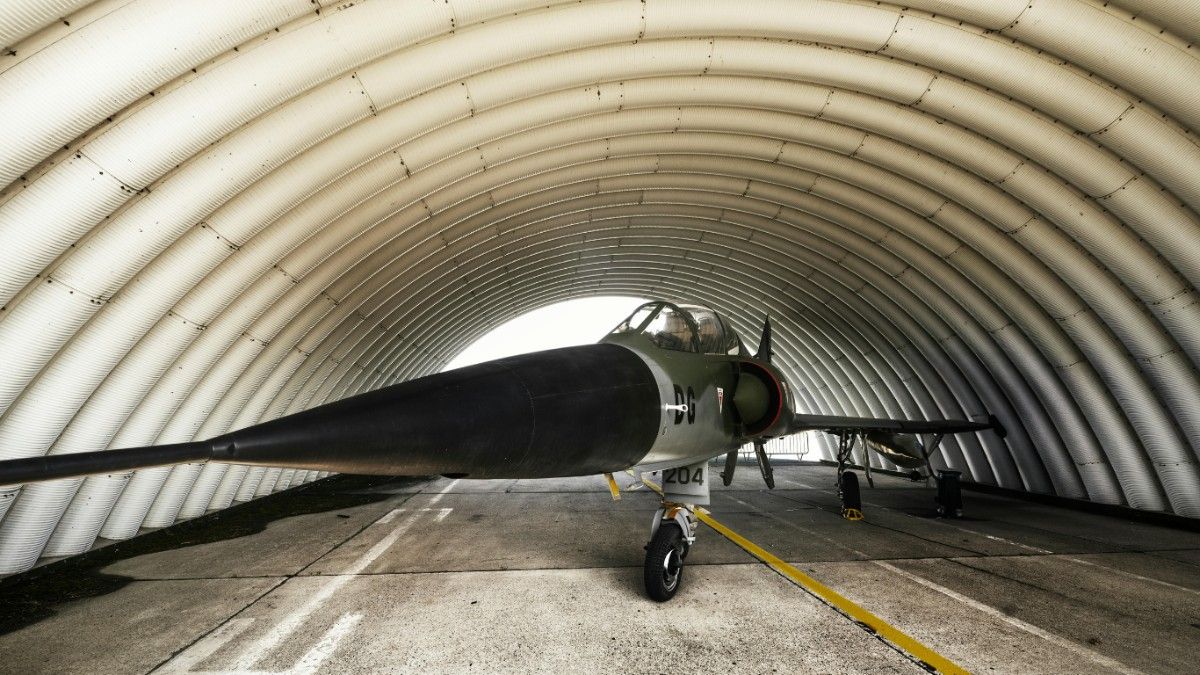
For students fascinated by airplanes, rockets, satellites, and space missions, choosing a future career can feel both exciting and confusing. You may know that you love space and technology, but you may not know which career could turn that interest into something meaningful. If you enjoy understanding how things work, solving technical problems, and exploring new ideas, aerospace engineering could be a field worth exploring.
Aerospace engineering combines mathematics, physics, technology, design, and engineering to develop systems that operate in the atmosphere and beyond Earth. While rockets and spacecraft often come to mind first, aerospace engineers can work on aircraft, satellites, propulsion systems, avionics, robotics, flight systems, and much more.
For students who want to understand the science and technology behind flight and space exploration, learning about the field early can help them make more informed academic choices later.
What Makes Aerospace Engineering Interesting?
One of the biggest advantages of aerospace engineering is its variety. The field includes several specializations, and each involves solving different types of technical challenges.
Someone interested in engines and energy might explore propulsion engineering, which focuses on developing and improving systems that produce thrust. A student fascinated by electronics and control systems could explore avionics, while someone interested in programming may find opportunities in aerospace software, simulations, robotics, and autonomous systems.
Other areas include aerodynamics, structural engineering, flight mechanics, spacecraft design, satellite technology, and guidance and navigation systems.
This variety means students don't necessarily have to follow the same career path just because they are interested in aerospace. Their individual strengths and interests can influence which area they eventually choose.
What Should Students Learn?
The foundation for aerospace engineering begins with mathematics and physics. These subjects help students understand important concepts such as motion, forces, energy, pressure, gravity, and flight.
Mathematics is particularly useful for understanding calculations, modelling, simulations, and engineering problems. Physics helps explain how aircraft fly, how rockets generate thrust, how spacecraft move, and how different forces affect aerospace systems.
However, technical knowledge isn't everything.
Successful engineers also need problem-solving, creativity, analytical thinking, teamwork, communication, and curiosity. Aerospace projects are often complex and involve teams of engineers and scientists working together to solve problems.
Students can begin developing these abilities long before college through STEM projects, model building, coding, robotics, science experiments, electronics, and space-focused learning. Even simple projects can help students practise asking questions, testing ideas, identifying mistakes, and finding solutions.
Do You Need to Be Good at Everything?
Not necessarily. Aerospace engineering is a broad field, so different roles require different combinations of skills.
You might enjoy mathematics but be more interested in designing structures. You may like physics and programming and become interested in simulations or robotics. Or perhaps you are fascinated by satellites and want to learn more about communication, navigation, or spacecraft systems.
The important thing is to understand your own interests and gradually build the skills that support them.
Instead of asking, “Am I already good enough for aerospace engineering?”, students can ask, “What can I start learning now?”
That shift can make the field feel much more approachable.
How Can You Start Exploring Aerospace?
You don't have to wait until college to discover whether aerospace engineering interests you. Start by following real space missions, learning how rockets and aircraft work, exploring astronomy and aeronautics, and experimenting with hands-on projects.
You can also read about spacecraft, satellites, aircraft, propulsion systems, and major developments in the aerospace industry. Watching how engineers approach real-world challenges can help you understand what the profession involves beyond the excitement of rockets and space missions.
Structured learning can also help students move beyond simply watching videos or reading random information online. It can provide opportunities to understand how scientific concepts connect with real aerospace technologies and give students a chance to apply what they learn.
For students who want a broader understanding of the field, exploring aerospace engineering courses, careers, skills, and how to start a career in space can be a useful next step.
Is Aerospace Engineering Right for You?
Aerospace engineering may be worth exploring if you:
- Enjoy mathematics and physics
- Are curious about aircraft, rockets, or spacecraft
- Like solving challenging problems
- Enjoy building, designing, or experimenting
- Are interested in technology and engineering
- Like understanding how complex systems work
- Want to explore careers connected to aviation or space
You don't need to have your entire career figured out while you're still in school. Exploring different areas and paying attention to what genuinely interests you can help you make better decisions about subjects, courses, and future careers.
Aerospace engineering is not simply about becoming a “rocket scientist.” It is a broad engineering field where mathematics, science, technology, creativity, and teamwork come together to solve problems that can have applications both on Earth and in space.
If you're considering aerospace as a future career, understanding the available courses, important skills, career opportunities, and ways to start preparing can make the journey clearer.
Your interest in the sky could be the first step toward a career designing what comes next.