Save Time and Money with Affordable At-Home Blood Tests
-

- March 01st, 2026
- 668 views

FREE SEO Topical Map Generator: Find Your Next Content Ideas
Affordable blood tests at home are a practical option for routine monitoring, preventive care, and simple diagnostics when used appropriately. This guide explains how to lower home blood testing costs, avoid common mistakes, and choose reliable options that save both time and money.
- Compare lab-draw, at-home sample kits, and point-of-care devices on price, accuracy, and convenience.
- Use the S.A.V.E.R. checklist to shop smart and verify quality before buying.
- Save money by bundling tests, using community labs, and confirming insurance or HSA coverage.
Intent: Informational
Affordable blood tests at home: an overview
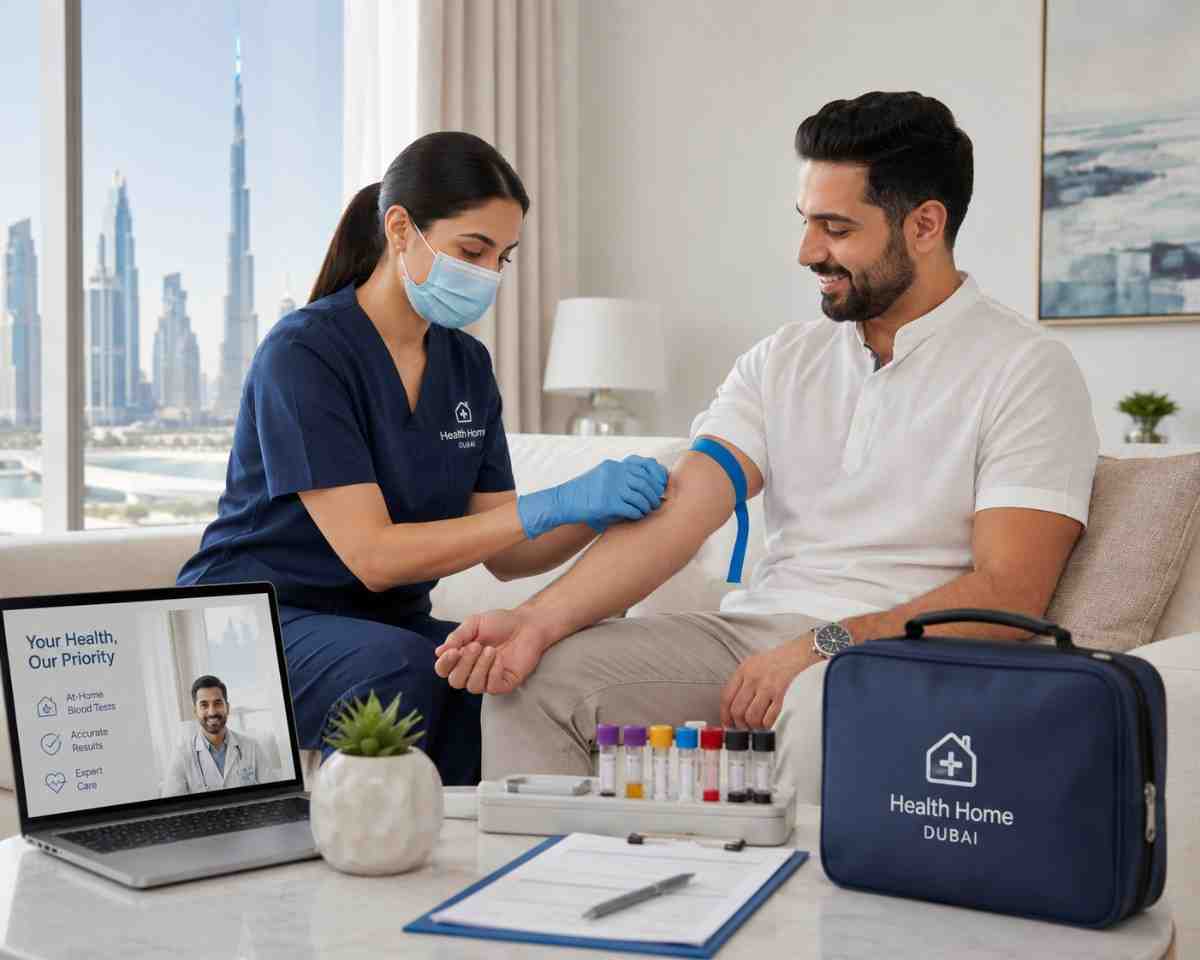
At-home blood tests include mailed sample kits (fingerstick or small tube), point-of-care devices (glucometers, INR monitors), and services that send a phlebotomist to the home. Each option differs by cost, turnaround time, and regulatory oversight such as CLIA certification. Terms to know include CLIA-waived tests, lab-draw, point-of-care testing, sensitivity/specificity, and test panels (CBC, lipid panel, metabolic panel).
How to save money and time: S.A.V.E.R. checklist
Use the named S.A.V.E.R. checklist before buying any at-home test:
- Shop — Compare total cost: kit price, shipping, collection fees, and lab processing.
- Assess — Confirm the specific analytes needed (e.g., HbA1c vs fasting glucose) to avoid unnecessary panels.
- Verify — Check CLIA status of the lab, FDA clearance for the device or test, and read accuracy data.
- Execute — Follow sample collection instructions exactly; poor technique can force repeat testing.
- Review — Compare results against previous records or a clinician’s input to decide next steps.
Comparing the main options
Mailed lab kits (fingerstick)
Pros: Low cost, convenient shipping. Cons: Limited panels, potential sample rejection, slower turnaround.
Phlebotomy-in-home
Pros: Full venous panels, clinical accuracy. Cons: Higher cost due to technician visit; better for comprehensive testing when convenience matters.
Point-of-care devices
Pros: Immediate results (e.g., glucose, INR). Cons: Device purchase and ongoing supplies can add up; not appropriate for broad diagnostic panels.
Practical tips to reduce cost and time
- Bundle tests into a single panel when clinically appropriate—bundles are often cheaper than separate single tests.
- Check HSA/FSA eligibility and insurance coverage before purchase; some insurers reimburse lab work if ordered by a clinician.
- Compare local community health labs and retail clinic pricing; walk-in labs sometimes offer promotional rates or cash-pay discounts.
- Carefully read sample-collection instructions and use provided return labels to avoid reorders due to rejected samples.
- When rapid results are required, opt for point-of-care devices or local phlebotomy rather than mail-in kits.
Trade-offs and common mistakes
Common mistakes that increase cost or reduce usefulness:
- Buying broad “full health” panels without clinical indication—unnecessary tests raise cost and false-positive risk.
- Assuming every at-home kit is equally accurate—verification of lab CLIA certification and FDA clearance matters.
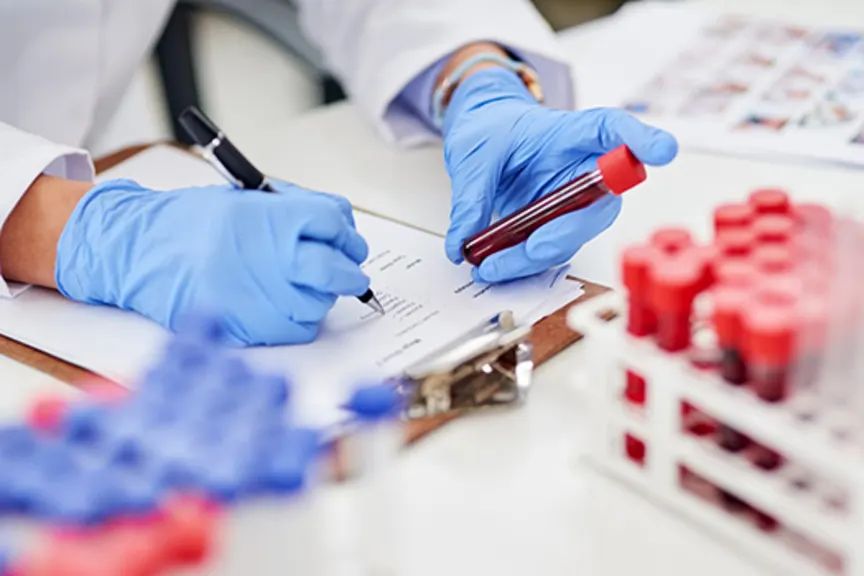
- Poor collection technique for fingerstick kits leading to hemolysis or contamination and extra repeat testing.
Trade-offs to weigh: convenience versus comprehensiveness, upfront device cost versus per-test fees, and speed versus sample integrity. For chronic-condition monitoring, a point-of-care device may save time long-term but requires initial investment and maintenance costs.
Short real-world scenario
Example: A person who needs a lipid panel and basic metabolic panel compared three options: a mail-in kit ($120 total), a home phlebotomy visit ($200 with faster results), and a local lab coupon ($80 with same-day draw). Choosing the local lab cut costs while preserving accuracy and speed—showing a simple comparison can yield significant savings.
Core cluster questions
- How accurate are mailed at-home blood test kits compared to clinic labs?
- What are the typical costs for common at-home blood tests like lipid panels and HbA1c?
- When is a phlebotomist-in-home service worth the extra cost?
- Which at-home tests are CLIA-waived and what does that mean?
- How to document and store home-collected lab results for medical records?
Regulatory and safety notes
Check for CLIA certification and FDA clearance when applicable. For official guidance on how home tests are regulated and what to expect for accuracy and labeling, see the FDA consumer updates on home tests (FDA: Home Tests). For public-health recommendations related to testing and follow-up, reference CDC guidance and consult a clinician for abnormal results.
When to involve a clinician
At-home testing is best for routine monitoring and screening. Abnormal results, symptomatic illness, or complex diagnostic questions require clinical evaluation and often venous blood draws and follow-up testing.
Are affordable blood tests at home accurate?
Accuracy varies by test type, sample quality, and lab certification. CLIA-certified labs and FDA-cleared devices tend to offer reliable results when instructions are followed and samples are handled properly.
How should at-home blood test results be stored and shared?
Download or save digital reports, add results to a personal health record (PHR), and share PDFs with clinicians during telehealth or in-person visits to support continuity of care.
Can insurance or HSA pay for at-home blood testing?
Some insurers and HSA/FSA plans reimburse lab testing when ordered by a clinician. Verify coverage and documentation requirements before purchase.
What are common signs that an at-home sample was compromised?
Sample hemolysis, unusual color, clotted fingerstick specimens, or delayed shipping can cause lab rejection. Follow return instructions and packaging requirements exactly.
How often should routine labs be repeated at home?
Frequency depends on clinical context: annual screening for some measures, quarterly or monthly monitoring for chronic conditions. Follow clinician recommendations and clinical guidelines such as those from professional societies.
Practical, cost-aware use of at-home blood tests lets routine monitoring be more convenient without sacrificing safety. Use the S.A.V.E.R. checklist, verify lab credentials, and compare total costs to choose the most efficient path for each health need.